
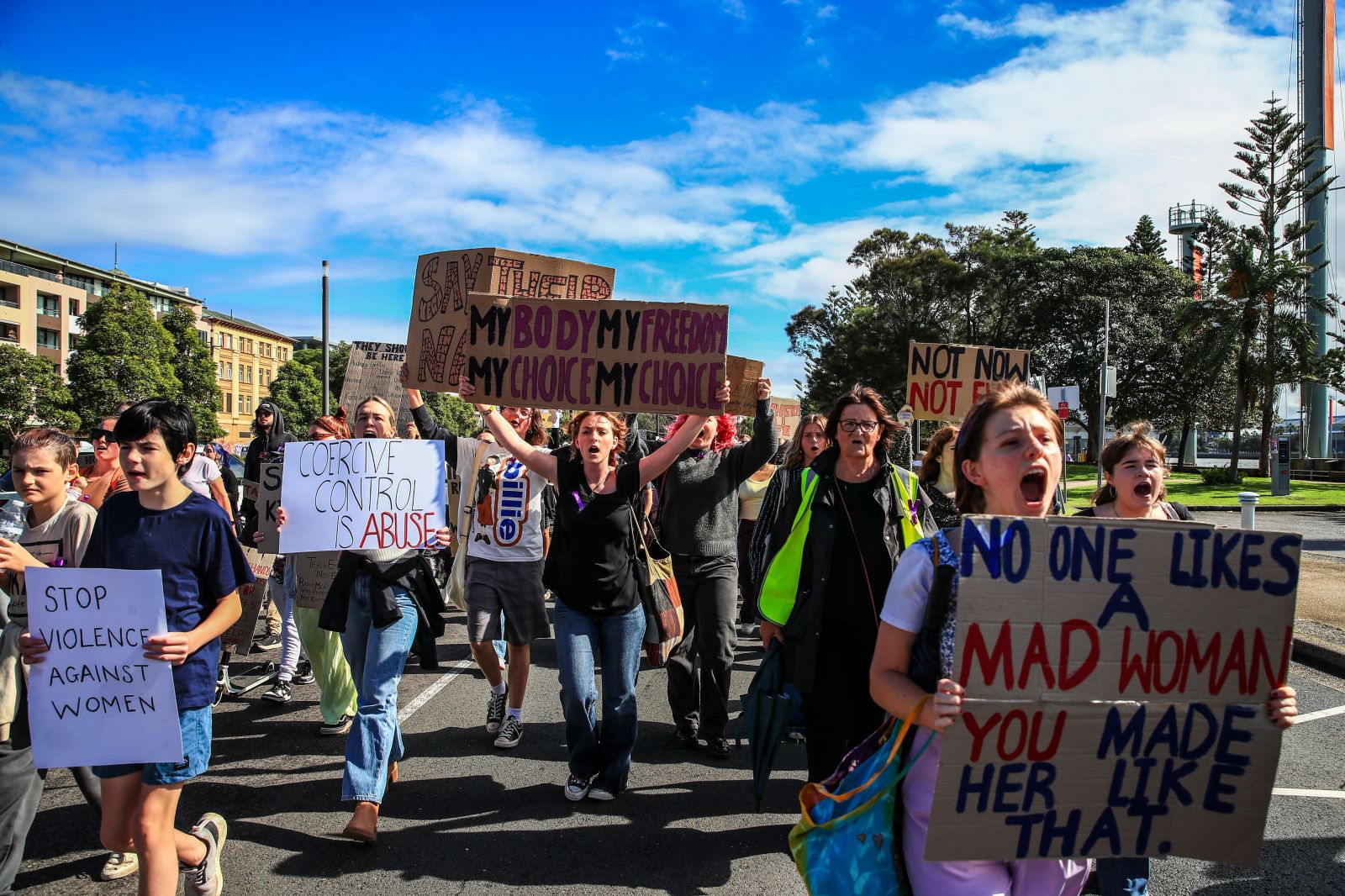
The 2026 World Cup is currently unfolding across the United States, Mexico, and Canada. While many people view the World Cup as a time of excitement and celebration, for survivors of domestic violence, such events can have a more serious impact. Data from UNESCO and UN Women indicates that domestic violence reports can increase by over a third during events like the World Cup.
Joanna Otero-Cruz from Women Against Abuse explains, “Major sporting events don’t cause domestic violence, but they can exacerbate existing conditions due to alcohol consumption, emotional stress, and the broader sports culture.”
The Link Between Sports Events and Domestic Violence
A 2022 study in Health & Social Care in the Community highlights a notable correlation between major sports events and domestic violence. The study emphasizes that, while gender inequality is the main driver, risk factors such as harmful masculinities are heightened during sporting events.
Maïssa Hubert of Equis: Justicia para las Mujeres notes, “The World Cup does not create violence. It exacerbates existing conditions and inequalities.” In Mexico, seven in 10 women have faced violence, a stark reminder that the World Cup takes place against a backdrop of widespread gender-based violence.
According to the CDC, Intimate Partner Violence (IPV) is common in the U.S., affecting more than one in three women over their lifetimes. Studies like one from economists David Card and Gordon Dahl reveal that unexpected sports losses can result in a significant rise in IPV reports.
Why Violence May Increase
Experts agree that major sporting events do not directly cause domestic violence. Otero-Cruz notes, “It’s all about power and control.” Events like the World Cup can heighten existing conflicts within relationships. Risk factors include alcohol consumption, crowding, and heightened emotions. Hubert adds that the influx of visitors and changes in daily routines due to such events can contribute to household stress and potential violence.
With states in the U.S. extending bar hours for the World Cup, there is concern that increased access to alcohol could worsen the issue. Goshawk from Solace Women’s Aid emphasizes, “Recognizing that the tournament involves 48 countries should raise concerns about the global replication of violence patterns seen in places like England.”
Addressing and Preventing Domestic Violence
Charities worldwide have launched campaigns to ensure support for those affected by domestic violence during the World Cup. Goshawk stresses the importance of community support during such events. Experts advocate for systemic changes, such as increased investment in shelters, hotlines, legal services, and prevention programs.
Hubert advises that authorities should focus on proactive measures, such as improving access to information, reporting services, and protection for at-risk individuals, rather than responding after violence occurs. Efforts should target high-risk areas like entertainment districts and hotels within the sports environment.
If you or someone you know is experiencing domestic violence, contact the National Domestic Violence Hotline at 1-800-799-7233 for confidential support.