
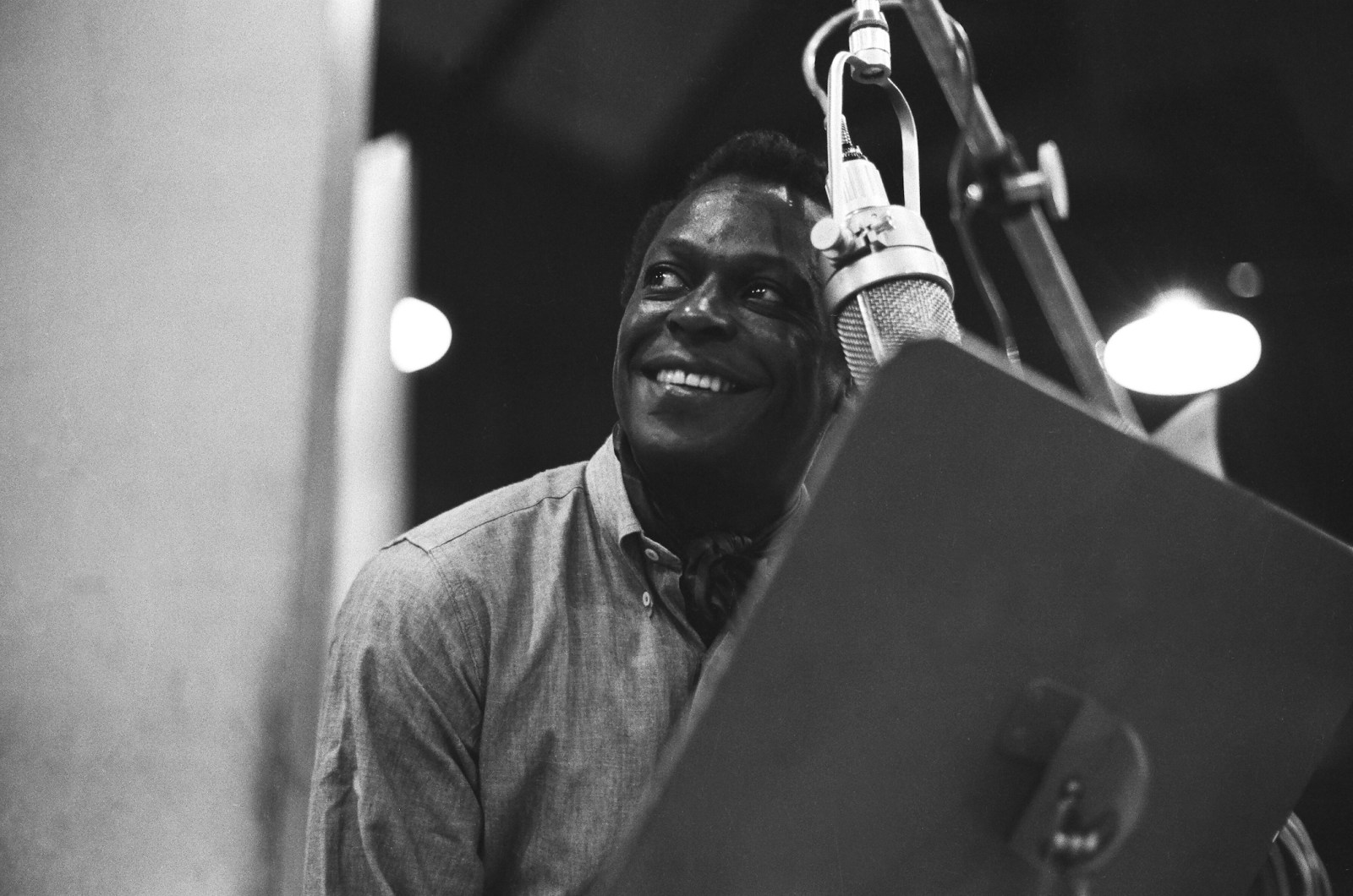
Miles Davis is often regarded as a defining figure in American music. As the world marks what would have been his 100th birthday, it is a time to reflect on his significant contributions and complex legacy.
My introduction to Miles was his iconic album, Kind of Blue. Listening to it for the first time was transformative. Its inherent beauty, timelessness, and smooth improvisations resonated deeply with me. At peace, his trumpet seemed to embody tranquility.
Born in East St. Louis, Illinois, to a music teacher mother and dentist father, Miles Davis influenced various music genres. His career spanned styles like bebop, cool jazz, and hard bop. He pioneered jazz fusion by blending elements of rock, funk, and global rhythms. With a career interacting alongside legends like Charlie Parker, Dizzy Gillespie, John Coltrane, and Herbie Hancock, Miles’s influence was vast.
A style icon, Miles shifted from the formal suits of the 1950s to the expressive outfits of later decades. He represented freedom, both as a musician and cultural figure, challenging norms and embracing collaboration, like his work with arranger Gil Evans.
Miles also stood out for embodying racial pride during a time when America grappled with its racial injustices. This courage, however, coexisted with his own struggles with violence, a subject he addressed candidly in his autobiography. Miles never expressed remorse, which remains a point of contention.
The tension in his persona was recently discussed in events like Jazz at Lincoln Center’s tribute for his centenary. Musicians guided listeners through Davis’s work, capturing the peaceful essence of his music. Yet, questions remain about reconciling his artistic genius with his personal actions.
Notably, figures like author Pearl Cleage have spoken on this duality, emphasizing the importance of acknowledging the harm caused by Davis’s behavior while respecting his artistic achievements.
Miles’s life teaches that one must confront their contradictions. His legacy includes unforgettable music, yet also personal flaws, reflecting broader societal challenges. As we continue to celebrate and critique such figures, the lessons drawn are crucial for future growth.
Kevin Powell is a GRAMMY-nominated poet and author. He lives in New York City and engages with followers on social media.