
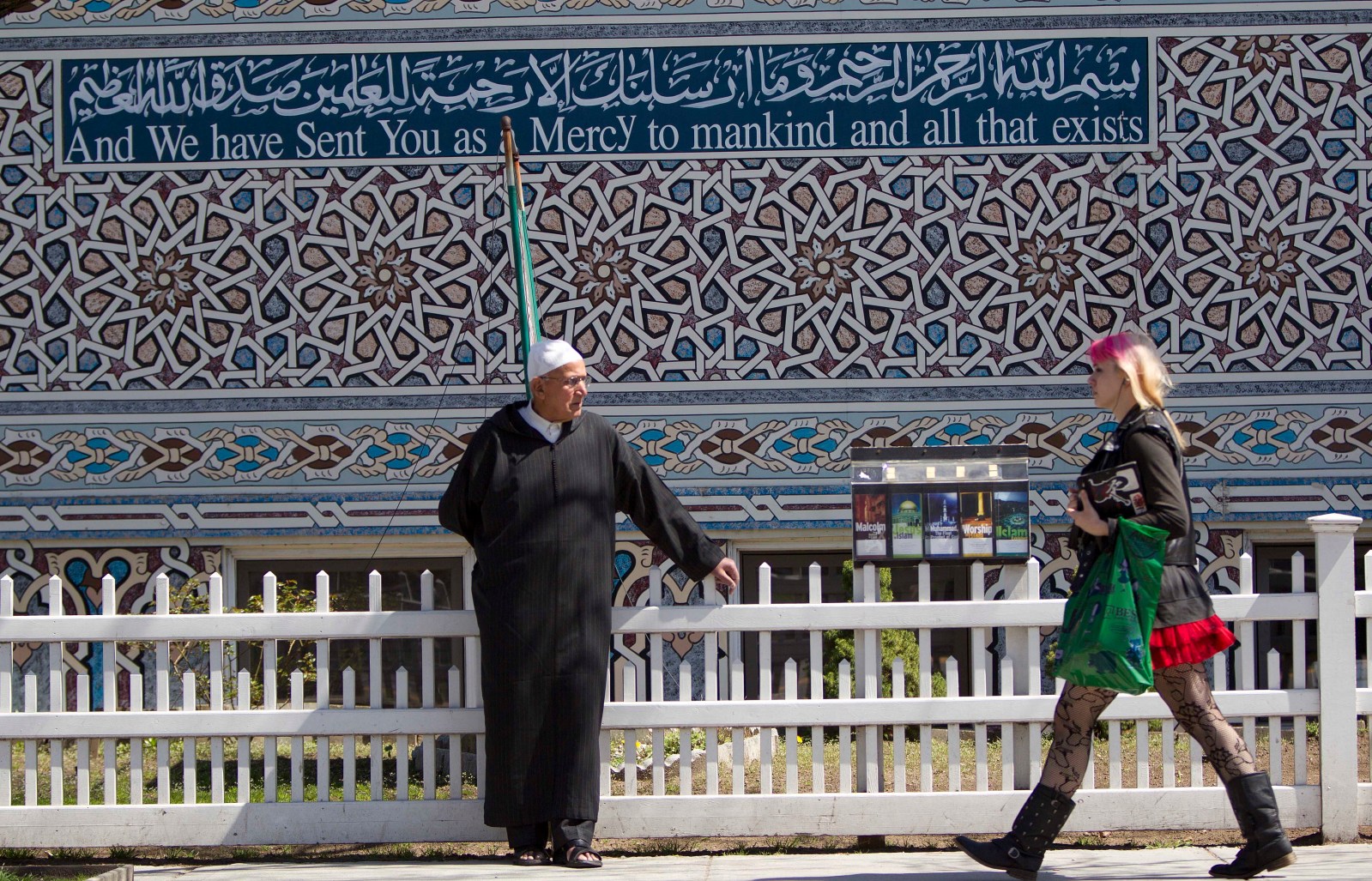
Massachusetts legislators are evaluating the revival of a bill designed to provide Muslim residents with an official voice within state government and combat discrimination against the community. This proposal aims to establish an 11-member commission to advise state leaders on crucial issues impacting Muslim Americans, including sectors like education, healthcare, employment, and civil rights. Additionally, the commission would evaluate Islamophobia and propose strategies for Massachusetts to counteract anti-Muslim hate.
Democratic state Senator Jamie Eldridge initiated the bill, referred to as S.2134, although it was not presented on the Senate floor before the legislative session formally concluded on July 31. Both Eldridge and state Representative Vanna Howard, another advocate, mentioned potential adjustments before reintroducing the bill in the subsequent session.
Key Features of the Bill
A core element of the plan is ensuring inclusion in public life. The commission could recommend suitable Muslim Americans for positions on government boards and other appointed roles. It would also assess the impact of state policies and services on Muslim communities, facilitate connections between these communities and state officials, and integrate their concerns into policy discussions.
The commission would function solely in an advisory capacity to the state. It lacks the authority to enact laws, issue directives, or compel agencies to adopt its recommendations. The governor, attorney general, and legislative leaders would appoint its 11 members, who would serve without compensation.
Comparison with Other Religious Commissions
Massachusetts does not possess another permanent commission for a specific religious group. However, the state previously had a Special Commission on Combating Antisemitism, which addressed the rise of antisemitism, reviewed hate-crime laws, and proposed state responses. Unlike the suggested Muslim commission, this was a temporary study panel rather than a permanent entity representing Jewish residents.
State Senator Michael Moore, one of the petitioners for S.2134, noted similarities with other commissions, citing the antisemitism panel and those representing Asian American, Black, and LGBTQ communities. These other commissions focus on race, ethnicity, or sexual orientation rather than religion. Moore emphasized that the Muslim commission would not formally integrate Islam into government or alter the Constitution.
According to Moore, the objective is to gain a better understanding of the Muslim community and address issues they may face, as well as to tackle concerns related to Islamophobia.
Comparable Initiatives in Other States
Illinois is the closest counterpart to the proposed Massachusetts commission at the state level. The Illinois Muslim American Advisory Council, established by law in 2017, advises the governor and legislators on issues affecting Muslim Americans and immigrants. The 21-member council also works to boost Muslim civic participation and foster connections between Muslim communities and state agencies.
While some states have developed commissions for related communities, these focus on ethnicity or ancestry rather than religion. For example, Maryland has a Governor’s Commission on Middle Eastern American Affairs, and Michigan operates a Commission on Middle Eastern American Affairs, advising the governor on discrimination and access to state services.
Washington lawmakers considered forming a commission for Middle Eastern and North African Americans during the 2026 legislative session. Introduced in January 2026, the bill remained in committee, lacking advancement to law.
Contact Newsweek editors for additional information on this development: Ben Kelly and Cristina Diciu.