
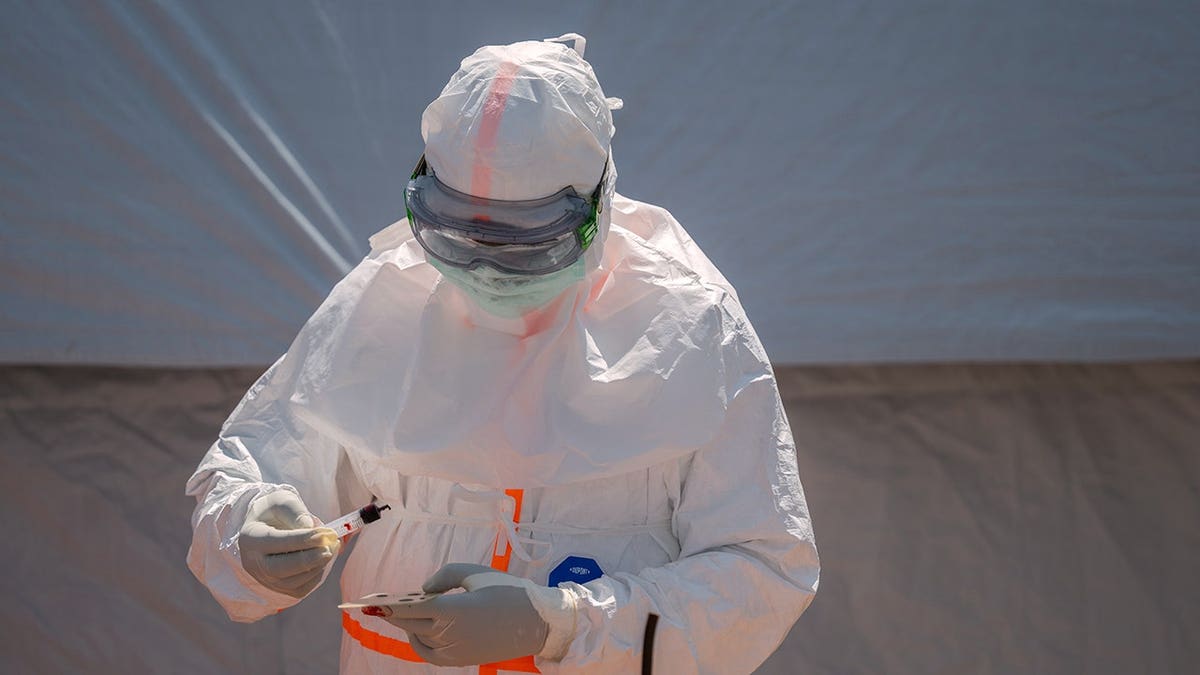
The recent Ebola outbreak in the Democratic Republic of Congo (DRC) has claimed over 2,000 lives. This has raised concerns among infectious disease experts who urge Americans to be mindful of this humanitarian crisis, while also noting the low domestic risk. The virus has quickly spread in the eastern and northeastern regions of DRC, with early cases appearing in Uganda. Government records confirm 4,381 cases to date.
Rapid Spread and Challenges
According to Dr. David Wohl, a medicine professor at the University of North Carolina, the outbreak is occurring in densely populated rural cities rather than small towns. He states that the current outbreak is moving at an unprecedented speed, with a steep increase in infections. The situation is compounded by challenging conditions, which Wohl describes as a ‘perfect storm’ affecting containment efforts.
Dense populations and limited accessibility to medical care hinder the delivery of aid, contact tracing, and quarantine setup. Additionally, ongoing conflicts in the region complicate efforts to access affected areas.
Implications for the United States
Despite the high death toll in Africa, American health officials stress that the average U.S. resident is at minimal risk from Ebola. The current outbreak involves the Bundibugyo ebolavirus strain, which differs genetically from the 2014 Zaire strain. This difference reduces the effectiveness of previous treatments and vaccines. Dr. Wohl clarifies that Ebola transmission requires close contact with the bodily fluids of infected individuals and does not spread through the air.
Even during the 2014 West Africa outbreak, which resulted in over 28,000 infections, only four Ebola cases were documented in the U.S. The majority were imported, with a few healthcare workers contracting the virus domestically. The superior public health and healthcare systems in the U.S. provide significant protection.
Viruses like measles, influenza, RSV, and SARS-CoV-2 are considered more immediate public health concerns in America. Researchers are currently testing new therapeutics and employing advanced mRNA technology to quickly develop vaccines specific to the Bundibugyo strain.
Treatment and Research Efforts
The treatment of the Bundibugyo virus presents challenges due to its genetic differences from previous strains. According to Wohl, while treatments and vaccines were effective against the Zaire strain, their efficacy against the Bundibugyo variant remains unestablished.
Ongoing studies are evaluating new treatment options and vaccine candidates. Emerging technologies, such as mRNA platforms, may expedite vaccine development against this virus.
Global bodies like the WHO and CDC are monitoring the situation in the DRC closely. Dr. Wohl emphasizes the importance of international cooperation and resource allocation to control the outbreak and alleviate regional suffering.