
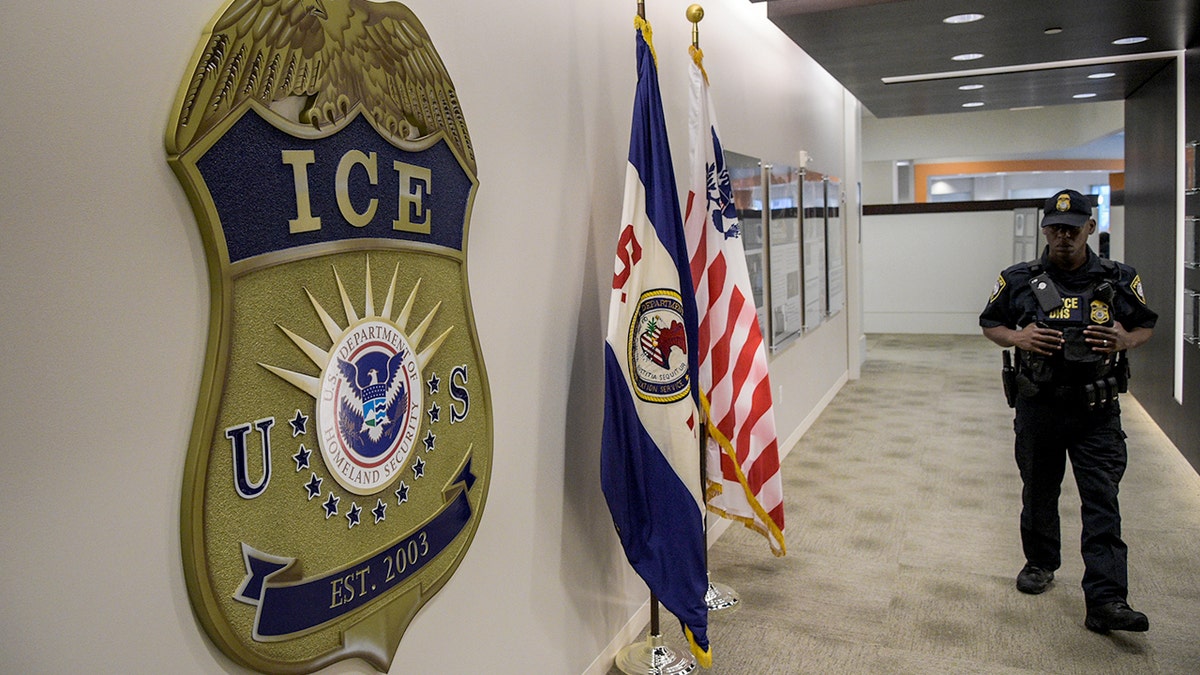
Exclusive Insight: The Department of Homeland Security (DHS) has released new guidelines instructing immigration attorneys to pursue early dismissal of asylum claims deemed legally insufficient. This directive is based on internal guidance obtained by Fox News Digital.
Effective immediately, attorneys with the Office of the Principal Legal Advisor (OPLA) within U.S. Immigration and Customs Enforcement (ICE) are expected to file motions to pretermit. This involves requesting immigration judges to dismiss asylum applications that clearly fail to meet legal standards even before a full merits hearing. Ultimately, immigration judges have the authority to decide on such motions.
A motion to pretermit asks an immigration judge to deny an asylum application before a full merits hearing because the government argues the application is legally insufficient.
This strategy aims to expedite the adjudication of asylum claims that meet legal criteria while confronting deficient applications sooner in the immigration court process. The guidance aligns with efforts to combat asylum fraud, holding attorneys accountable for facilitating fraudulent claims.
The directive follows numerous administrative actions aimed at modifying the asylum system. Earlier this year, changes were made to streamline the affirmative asylum process. Some applications now go directly to immigration court, bypassing initial asylum interviews to address court backlogs.
Additionally, the administration has heightened focus on asylum fraud. ICE has set policies for pursuing civil penalties against lawyers found facilitating fraudulent claims. Recently, financial penalties were sought against a New York attorney for allegedly filing fake asylum applications.

The U.S. Department of Justice continues to support measures targeting fraudulent asylum claims.
This guidance extends efforts to challenge insufficient asylum claims by directing government attorneys to contest these applications before they proceed to full evidentiary hearings. This policy is part of the broader method by the Trump administration to refine the asylum system through changes in enforcement and litigation.