
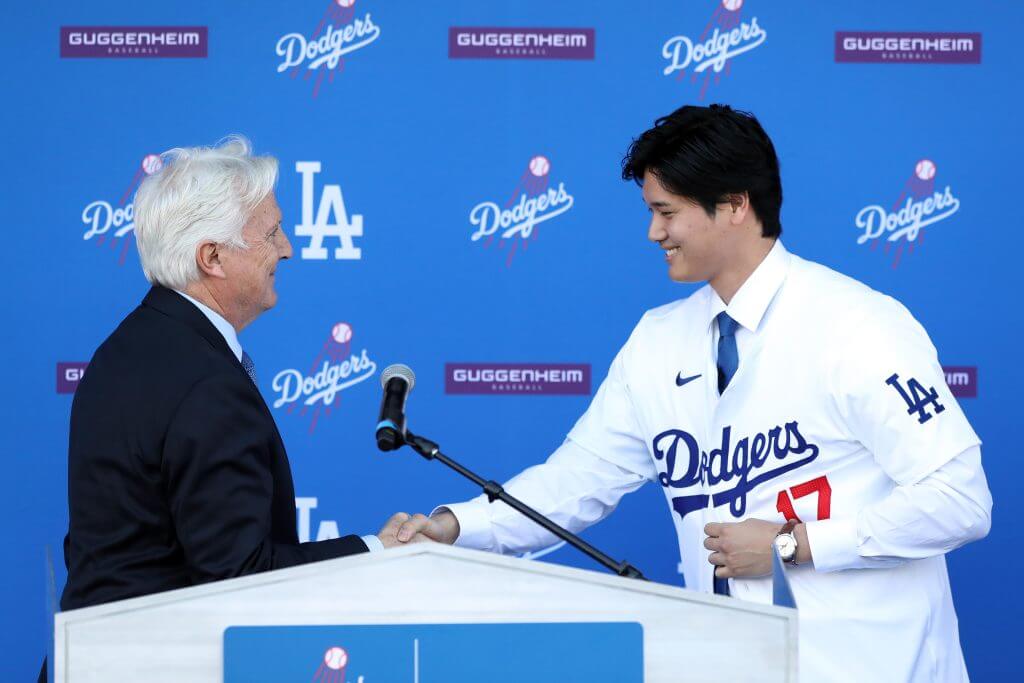
Billionaire Mark Walter, known for his vast empire spanning finance and sports, is under investigation by federal authorities. The scrutiny focuses on his expansive business network, raising concerns about the sale of prominent franchises like the Los Angeles Lakers. Walter is the CEO of Guggenheim Partners and TWG Global, holding investments in sports, entertainment, technology, and AI. With a net worth of $18.3 billion, Walter’s sports ventures include owning MLB’s Los Angeles Dodgers, Chelsea FC, and until recently, the Lakers. Here are crucial questions about the investigation into Walter and potential effects on sports franchises.
Walter’s Investigation: The Focus
Walter is under investigation due to practices involving two of his insurance companies, Delaware Life Insurance Company and Clear Spring Life and Annuity. These companies reportedly invested policyholder funds into businesses with ties to Walter without proper disclosure as ‘affiliated transactions.’ Investigators are evaluating whether these dealings constituted self-dealing. Insurers typically invest in secure assets to ensure returns, and any related-party transactions must be disclosed for fairness and transparency.
Both insurance companies are cooperating with investigations by the U.S. Attorney’s Office for the Southern District of New York and the Securities and Exchange Commission. They acknowledged incorrect labeling of billions in loans linked to Walter’s businesses. Initially, Delaware Life reported only 3% of investments related to Walter, later revising this figure to 42%—about $17 billion. Previous lawsuits related to Walter’s use of insurance funds have surfaced but lacked resolution.
Lakers Sale and Financial Pressures
Walter’s decision to sell the Lakers aligns with his financial pressures, as he restructures billions in investments to comply with insurance regulations. While Walter hasn’t publicly disclosed reasons for the sale, insiders suggest a liquidity crunch. The Lakers sale was surprising given Walter’s long-term interest in NBA ownership, and the team was sold for $12.5 billion, which was a quick transaction suggestive of urgent fundraising needs.
Walter hopes to sell stakes in Chelsea FC and is reportedly considering options for his Cadillac F1 shares, though TWG Global denies such a sale. Delaware’s insurance department has pressured Walter to reduce affiliated business entanglements by year-end.
Impact on the Dodgers
Despite assurances from Dodgers president Stan Kasten that the Lakers sale doesn’t affect the Dodgers, the investigation’s scope could change things. The Dodgers are Walter’s prized asset, and it remains uncertain how the federal probe might impact the team. Historically, MLB hasn’t forced ownership changes without cause, although past issues with Dodgers ownership have surfaced.
The Dodgers remain profitable, and their broadcast rights generate significant revenue. Charter Communications talks with Walter for an early payout on Dodgers’ TV deals didn’t proceed, limiting immediate revenue shifts.
Deferred Payment Practices
The Dodgers’ approach to deferred player payments is significant, involving over $1 billion due across future decades. Contracts like Shohei Ohtani’s, with deferred payments extending to 2043, require substantial advance funding in trackable accounts. Industry sources confirm compliance with MLB rules, ensuring liquidity and protection of these funds.
Andrew Friedman emphasizes the practical planning for these payments, ensuring financial readiness for obligations like Ohtani’s contract.
Potential Effects on CBA Negotiations
While Walter’s situation affects perceptions, its direct impact on upcoming collective bargaining agreements may be limited. As MLB’s second-highest payroll team, the Dodgers highlight ongoing labor disparities. These discussions often pivot on salary caps for competitive balance, yet Walter’s financial pressures might not directly influence these negotiations.
The structure of deferred payments may still be contentious, with the league historically challenging such practices during CBA talks and the players’ union advocating for unimpeded earning flexibility.