
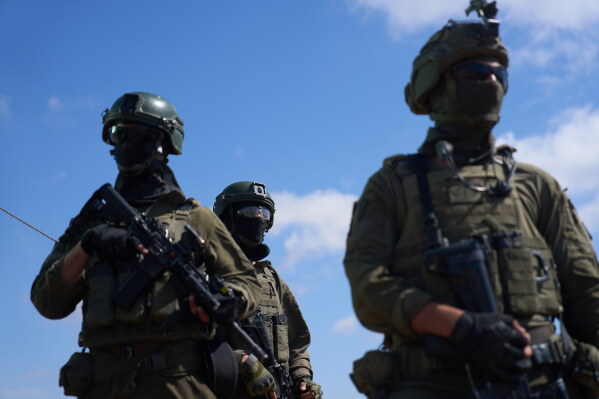
The Israeli combatants have shared a powerful glimpse of the fraught environment in the Israeli-controlled portion of the Gaza Strip. Soldiers have described moments of celebration after striking a vehicle carrying Palestinians, marking a chilling reality that has emerged since a fragile ceasefire began in October.
Soldiers’ Experiences at the Yellow Line
A reservist in his twenties, who served in Gaza during this tense period, recounts seeing soldiers eager to act against those who trespassed on or neared the so-called yellow line. This line divides Israeli-controlled and Palestinian areas. “It was a jungle,” he remarked regarding the complex situation.
Three soldiers expressed confusion about the rules of engagement along the yellow line. They noted that while some commanders publicly supported the ceasefire, they privately desired the conflict to persist. Concerns arose around the rapidity of actions taken by troops, who sometimes did not have clear identification of their targets.
To call it a ceasefire is a joke,a soldier told the Associated Press.
The Complexity of Gaza’s Yellow Line
The yellow line remains a source of ambiguity, with tensions high on both sides. Despite the agreement, Israel’s military holds over half of Gaza, and there is no timeframe for complete withdrawal. An ongoing debate stalls diplomatic progress, centered around disarming Hamas.
Soldiers describe scenes of deaths that seem unending, with over 900 individuals killed since the ceasefire began, many near the yellow line. The healthcare authorities in Gaza include children and unarmed men among these fatalities. The Israeli military asserts that most casualties posed threats, but some soldiers and activist groups dispute these claims, noting a permissive engagement policy.
Rules of Engagement and Military Presence
The soldiers revealed that decisions to open fire often involve acting on suspicions rather than concrete information. Distant observation points and the pressure to respond swiftly to potential threats have led to tragic outcomes.
One soldier discussed the psychological impact of their deployment, emphasizing the emotional toll and confusion surrounding the rules. Despite orders to issue warnings, the nature of threats sometimes forces troops to act quickly.
Reports from organizations like Breaking the Silence highlight the dangers of unclear rules and trigger-happy tactics. Fear persists that the protracted military presence is not aimed at eventual withdrawal but long-term control.
Proactive Measures and Rising Control
A recent internal report indicated that Israel has become increasingly assertive in its strikes across Gaza. The Prime Minister’s remarks about extending control to 70% of Gaza reflect the ongoing shift in territorial dynamics.
The ceasefire appears elusive, a mere term according to one soldier, with limited effectiveness for those hoping to end the conflict. The soldiers’ testimonies underscore the need for a clearer path towards lasting peace in this troubled region.
With reporting assistance from Josef Federman in central Gaza Strip.