
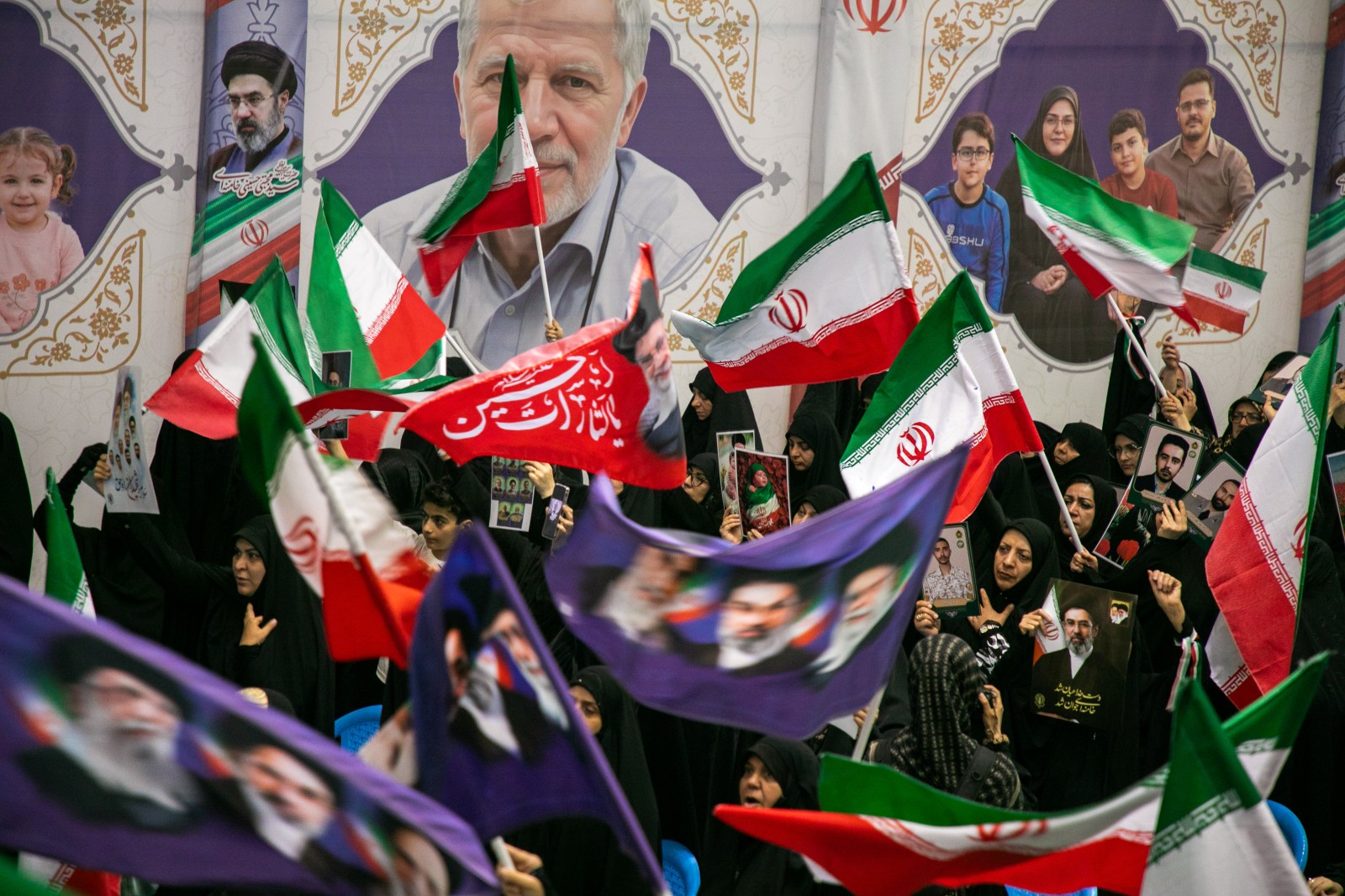
President Donald Trump’s comments on nearing a deal with Tehran contradict Iranian officials’ defiant stance against the U.S. Both sides offer differing messages on ending the Iran War. Trump raised expectations on Saturday. However, a U.S. official clarified on Sunday that Iran’s leaders might need days to approve any deal. The war started on February 28 and entered a ceasefire on April 7. The Strait of Hormuz’s reopening prospect boosted markets, though an Iranian official claimed “time was against” Trump on Monday.
What the U.S. Has Said
Trump noted on Saturday the war-ending deal was “largely negotiated.” The next day, a senior U.S. official told Axios that an agreement was not immediate, and approvals from leaders like Supreme Leader Mojtaba Khamenei could delay it. A senior U.S. official mentioned a “very good place” in discussions, but agreement confirmation remains uncertain. During an India trip, U.S. Secretary of State Marco Rubio expressed optimism about reaching a deal soon. The deal could entail a 60-day ceasefire extension, Strait of Hormuz reopening, and further nuclear program talks.
What Iran Has Said
On Monday, Iranian officials resisted without explicitly refusing the deal’s terms. The nuclear program’s resolution remains absent. Ebrahim Rezaei, spokesperson for Iran’s National Security and Foreign Policy Commission, posted on X mocking Trump’s position and reiterated Iran’s resistance to threats. According to Reuters, the Supreme Leader has yet to approve any deal framework. While Trump focuses on preventing a nuclear weapon, Iranian President Masoud Pezeshkian denied intentions to build one, leaving the Supreme Leader silent on the matter.
Differences Over Iran’s Nuclear Program
Iranian Foreign Ministry’s Esmaeil Baghaei emphasized the war’s end as the negotiation focus, not the nuclear issue. Trump demands Iran halt uranium enrichment, vital for nuclear bombs, but Iranian officials reject new program restrictions. On May 21, Trump said Iran must export its highly enriched uranium (HEU) for any deal. Yet, Iranian media report no such agreements exist. Hossein Noushabadi from Iran’s Foreign Ministry refuted claims of a long-term enrichment suspension, indicating this and other nuclear issues will undergo a 60-day discussion for sanctions relief and complete blocked asset release.
Differences Over the Strait of Hormuz
Trump mentioned any deal involves reopening the Strait of Hormuz but didn’t clarify Iran’s possible permanent control over it, vital for global hydrocarbons. Iran claims sovereignty and permanent control, potentially charging tolls. The deal suggests gradual reopening as the U.S. ends its blockade on April 17 that hindered Iran’s oil shipments. Trump stated the U.S. naval blockade persists until a certified agreement is reached. Iran may sell oil through sanctions waivers, discussed over a 60-day period. The Associated Press highlighted this potential.
According to the Institute for the Study of War (ISW), Iran sees itself as negotiating from a stronger position and is attempting to reshape regional orders favorably. The ISW notes Iran hasn’t publicly accepted significant nuclear concessions in the potential MOU, viewing deferred nuclear talks as advantageous after alleviating military and economic pressures.
Iran insists the deal should end conflict on all fronts. This includes Lebanon where Israel combats Iran-backed Hezbollah. Trump supports Israel’s continued operation against the group but asked Israeli Prime Minister Benjamin Netanyahu, resistant to ending Lebanon strikes, to lessen attacks.