
Israel’s Strength and Vulnerabilities
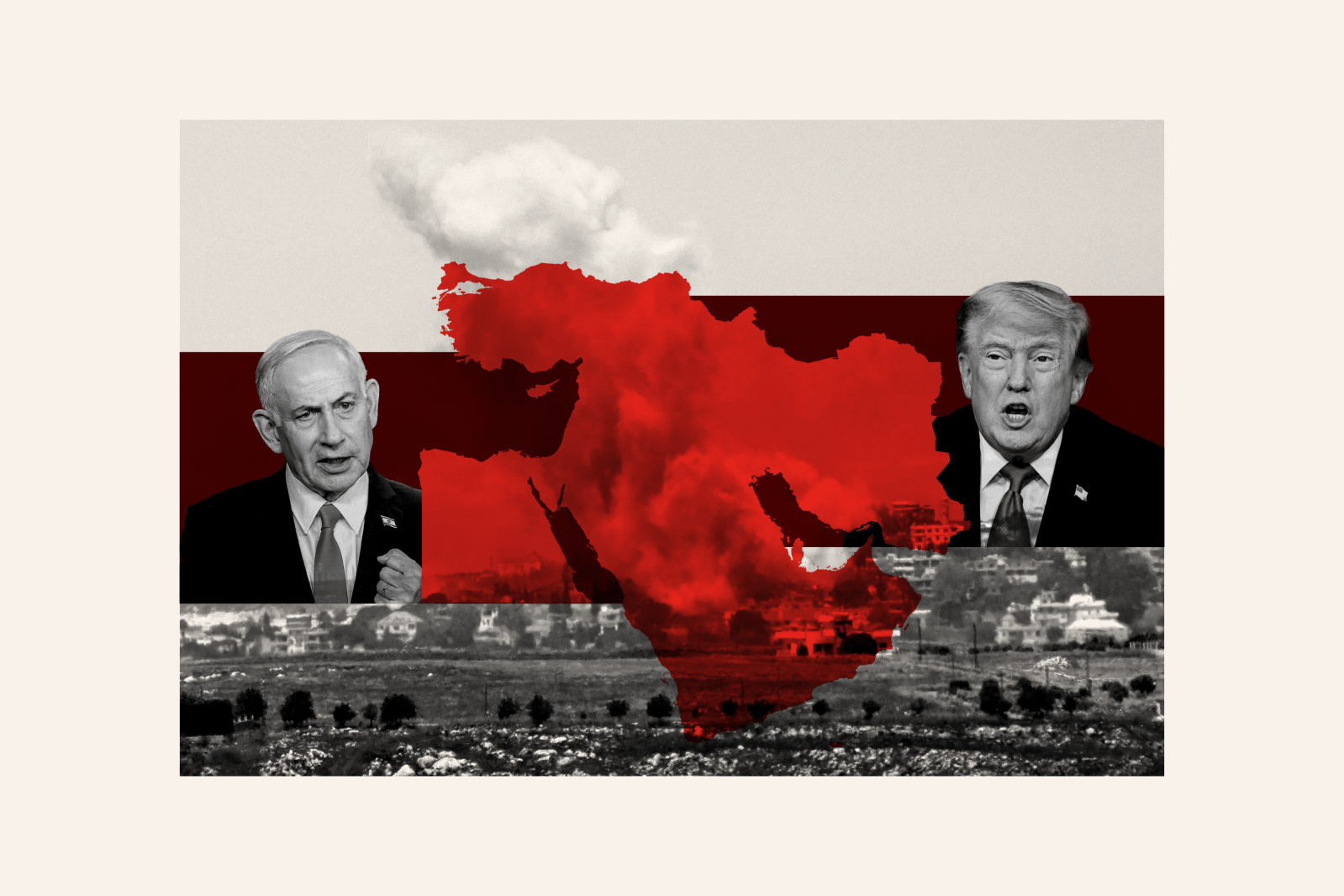
On Holocaust Remembrance Day in April, Israeli Prime Minister Benjamin Netanyahu declared that Israel is at the peak of its power. However, recent developments suggest otherwise. The U.S., under President Donald Trump’s leadership, ended its war collaboration with Iran, sidelining Israel’s security concerns. Tensions between Netanyahu and Trump, once considered Israel’s ally, have surfaced. Israel’s military is spread thin across Lebanon, Syria, Gaza, and the West Bank.
Anti-Israel sentiment is rising not only in Europe but also in the U.S., which has historically supported Israel. Demographic and political strains add to Israel’s isolation. This situation calls into question the long-term survival of a state founded in 1948.
Iran’s Ongoing Threat
“We are at an existential moment,” former Israeli prime minister Naftali Bennett noted recently.
Although the war with the U.S. set back Iran’s nuclear ambitions, Trump’s deal did not address concerns such as Iran’s missile force and its support for proxy armies. Iran still poses a threat as it might revive its nuclear ambitions, challenging Israel’s strategic position.
Strains between Netanyahu and Trump have become apparent, with Trump criticizing Israeli military activities in Lebanon. He emphasized that without his involvement, Israel might have faced severe threats earlier.
Historic and Current Threats to Israel
Since its founding, Israel has faced numerous threats, often from neighboring Arab states. A recent conflict began on October 7, 2023, with attacks from the Iranian-backed Hamas group in Gaza. The ongoing conflicts stretch Israel’s military capabilities.
Israel’s strategy of responding to threats in various regions, including Iran and Yemen, has drawn international criticism over civilian casualties. Daniel Levy of the U.S. Middle East project expressed concern that Israel’s aggressive approach might exacerbate its regional challenges.
Palestinian Conflict
The Palestinian plight remains unresolved. Netanyahu has expressed opposition to a Palestinian state, citing security threats. Opinion polls show many Israelis and Palestinians opposed to a two-state solution, aligning with Hamas’s long-term stance against Israel.
Defense Minister Israel Katz rebuffed comparisons between Israel and historic Crusader states, asserting Israel’s strength and resilience.
Regional Dynamics and International Relations
Turkey’s aspirations in the region, alongside shifting alliances, present a danger to Israel. Despite the Abraham Accords that saw some Arab states engaging with Israel, others like Saudi Arabia remain distanced.
Globally, support for Israel has decreased. A Pew Research survey indicated a negative view of Israel by 60% of Americans, up from 42% in 2022. Immigration to Israel has also declined, although there’s increased interest from Jews in Western nations. India, with common interests in tech and security, offers some foreign support. Israel’s economy shows potential for growth, especially in tech and defense sectors, contributing to its high ranking in the World Happiness Report.
Internal Challenges and Demographic Changes
Demographic shifts pose a challenge, with a growing Arab population nearly matching the Jewish population. The ultra-Orthodox Haredi community, the fastest-growing Jewish group, presents another issue. They receive significant state subsidies and have resisted military conscription despite a 2024 court ruling enforcing service.
Netanyahu’s coalition, which includes ultra-Orthodox parties, faces challenges around conscription laws. Internal tensions and external pressures will impact the upcoming election, where these issues will be central to the debate.
“We survived many existential moments,” Efraim Inbar highlighted. “Prudence is crucial for a small nation like ours.”