
Reports suggest that Ahmad Vahidi, a commander of the Islamic Revolutionary Guard Corps (IRGC), plays a significant role in Iran’s negotiation strategy. Analysts describe him as a hardliner. Vahidi’s career progressed significantly during the Iran-Iraq War, and allegations link him to several terror attacks, including the 1983 Beirut bombing and the 1994 Buenos Aires bombing in Argentina. These incidents raise concerns about who controls Iran’s military decisions.
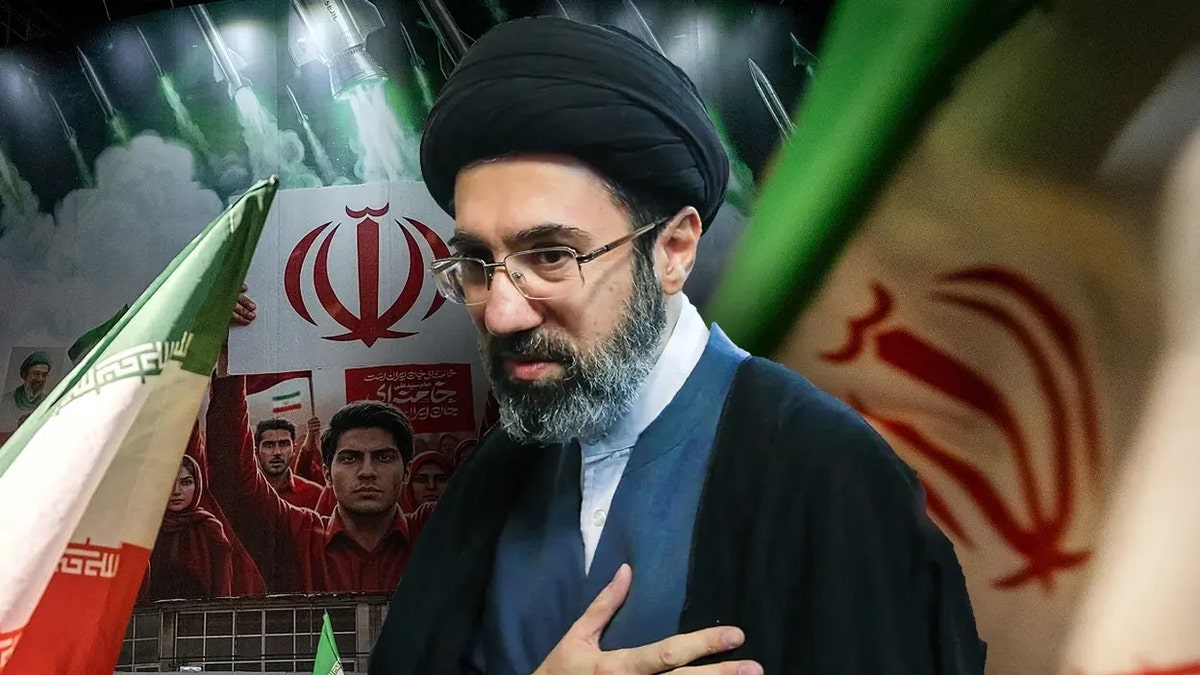
Iran’s Supreme Leader Mojtaba Khamenei recently appointed six senior military commanders as part of a wartime command restructure. This move follows months of destruction due to U.S. and Israeli strikes on Iranian leaders. The appointments, publicized by Khamenei’s office and through social media, cover multiple sectors, including the IRGC and the Basij paramilitary force. A counterterrorism expert indicates the timing suggests Tehran is preparing for extended conflict rather than a settlement with Washington.
“Tehran is establishing its command structure as a fact on the ground before it signs anything,” said Dr. Omar Mohammed, director of the Antisemitism Research Initiative at George Washington University’s Program on Extremism.
Mojtaba Khamenei’s selections include Ali Abdollahi as the chief of staff of the armed forces and Kioumars Heydari as his deputy. Ahmad Vahidi became commander-in-chief of the IRGC, gaining the rank of major general. Mostafa Izadi, Ali Azmaei, and Hossein Taeb received appointments to other significant positions. Dr. Mohammed notes Vahidi is directed to maintain offensive readiness by the Supreme Leader, while Abdollahi completes integration within the Khatam al-Anbiya wartime joint command.
Several appointees face U.S. or European sanctions or terrorism links. Vahidi is wanted by Interpol for involvement in the 1994 AMIA bombing that killed 85 people. Taeb, previously head of the IRGC Intelligence Organization, is on the U.S. sanctions list for human rights abuses following Iran’s disputed 2009 presidential election. Heydari also faces U.S. sanctions for involvement in the violent response to Iran’s 2019 protests.
The reshuffle coincides with ongoing reconstruction of Iran’s leadership after U.S. and Israeli strikes eliminated senior figures. Ayatollah Ali Khamenei was killed in a February 28 strike, leading to Mojtaba Khamenei’s selection as the new supreme leader. Other casualties include Ali Larijani and Gholamreza Soleimani, who also held important roles.
Questions surround Mojtaba Khamenei’s health and public absence. President Masoud Pezeshkian disclosed a lengthy meeting with Khamenei discussing economic and domestic challenges. Meanwhile, the IRGC’s intelligence structure remains unsettled. No chiefs have been announced for its Intelligence Organization, nor has Iran appointed permanent defense or intelligence ministers.
“The appointments require assigning responsibility for the counterintelligence failures that enabled the February decapitation,” added the expert.
With shifts in leadership and ongoing conflicts, it remains crucial to monitor Iran’s internal dynamics and potential impacts on global relations.