
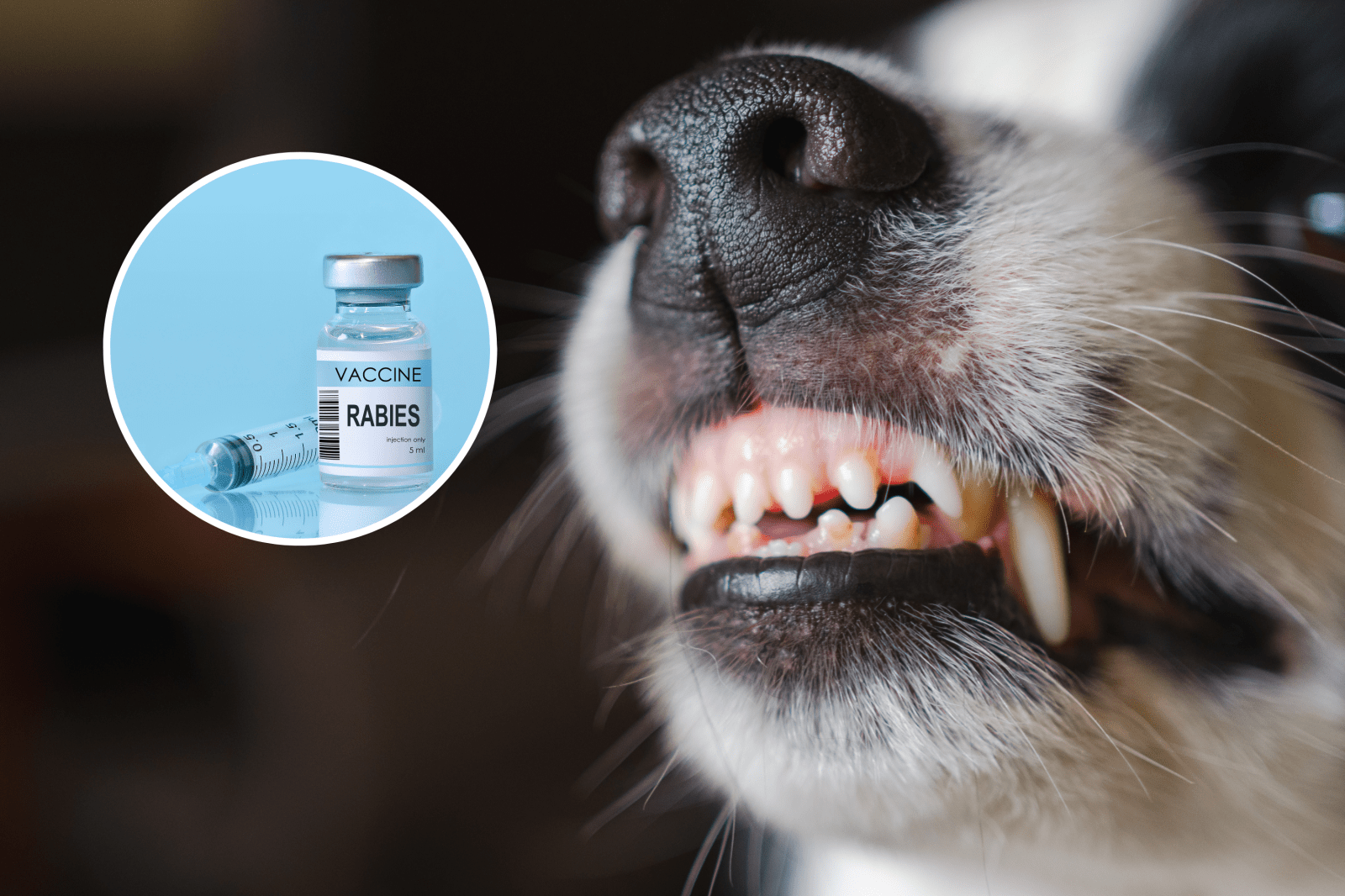
CDC Advisory on Rabies Exposure Surge
The U.S. Centers for Disease Control and Prevention (CDC) has issued a health advisory following a notable increase in rabies exposures across the country. The advisory highlights a rise in inquiries related to rabies and the greater use of post-exposure treatment.
During July and August 2026, the CDC documented a 17% increase in rabies-related inquiries compared to last year. Additionally, eight state health departments reported heightened demand for rabies post-exposure prophylaxis (PEP), administration errors, or both.
“Although there is currently no shortage of human rabies vaccine or human rabies immunoglobulin in the United States, it is important for clinicians to administer PEP appropriately,” stated the CDC.
Large Exposure Incidents
Particular events have drawn significant attention, such as the outbreak in North Carolina involving rabid baby goats in a mobile petting zoo. This incident may have exposed hundreds across various venues. Approximately 300 individuals were assessed, with over 200 advised to pursue post-exposure treatment.
The CDC emphasized the necessity for clinicians to accurately conduct rabies risk assessments to prevent unwarranted treatment, adverse effects, and increased costs.
Rabies Trends and Contributing Factors
The CDC has noted increased exposures without pinpointing a singular cause. Rather, multiple local outbreaks and mass-exposure events involving various animals are contributing.
Experts believe the uptick could stem from heightened public awareness, increased testing, and reporting along with localized surges in infected wildlife.
Symptoms of Rabies
Rabies attacks the central nervous system and is nearly always fatal post-symptom onset. Early symptoms mimic other illnesses such as fever, headache, and sore throat, complicating diagnosis.
As symptoms progress, they may advance to confusion, anxiety, paralysis, and coma. Neurological symptoms often signal impending fatality, stressing the importance of early intervention.
Timely Rabies Treatment
Following potential exposure, health officials advocate assessing rabies risk based on animal type and contact nature.
If required, rabies post-exposure prophylaxis involves immediate wound cleaning, human rabies immune globulin (HRIG)—providing rapid antibodies—and a series of vaccine doses. Typically, four doses are administered over two weeks, with immunocompromised individuals possibly needing additional doses.
The CDC stressed proper HRIG and vaccine administration, citing increased errors alongside rising demand.
Side Effects of Treatment
Though essential, rabies treatment can produce side effects, typically mild such as soreness at the injection site, headache, or fatigue. Serious reactions are rare, and the lifesaving benefits outweigh risks.
Rabies Treatment Costs
Rabies treatment cost varies due to medication type, location, and insurance, generally ranging from $11,000 to $14,000 per person. The CDC advises against delaying care due to expense concerns.
Rabies-Prone Animals in the U.S.
In the U.S., bats are frequently linked to human rabies cases, often through unrecognized contact. Raccoons, skunks, and foxes are primary rabies vectors in various regions.
Infected domestic animals can also transmit rabies, with cats more common rabies carriers than dogs domestically. Vaccination programs have reduced pet-related risks substantially.
Livestock such as cattle and goats can contract rabies when bitten by infected wildlife. The CDC strongly advises against contact with wild animals or any mammal displaying atypical behavior.