
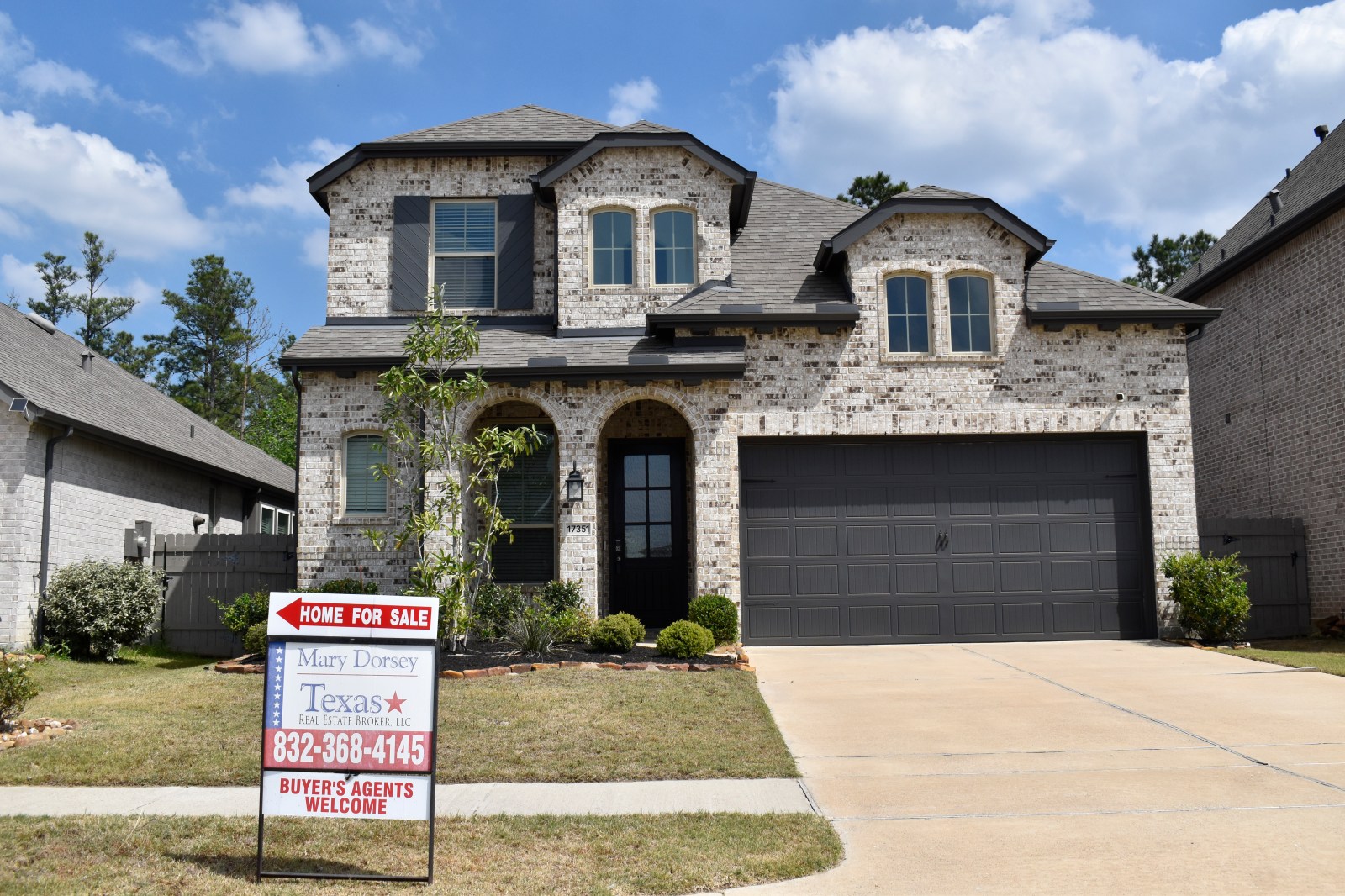
The upcoming “silver tsunami” is set to introduce significant changes in the housing market. This term refers to the large-scale transfer of wealth and property as baby boomers downsize, sell, or bequeath their homes. Experts believe that this could help alleviate the country’s housing shortage, though it may also create new challenges.
Massive Transfer Ahead
Over the next decade, an estimated 13.9 million homes, currently occupied by baby boomers and the Silent Generation, will change hands. This projection comes from Realtor.com’s Generational Housing Succession report. If only 45 percent of the expected 1.27 million homes released next year are listed for sale, it could restore annual for-sale listings to pre-pandemic levels. So far, only a few states, primarily in the South, have managed this in recent years as a means to address housing shortages.
Current Trends
The transfer of real estate has already started but is more of a gradual process than a sudden shift. In the 12 months leading up to August 2025, inherited homes accounted for 7 percent of U.S. property transfers, totaling 340,000 properties. In that same timeframe, nearly 60 percent of sellers were aged 60 or older.
Jiayi Xu, a senior economist at Realtor.com, highlights that while generational succession isn’t a new trend, the upcoming transfer is significant. The release over the next decade is projected to be 33.7 percent larger than in the previous decade. This marks a substantial shift in the housing landscape.
Geographical Mismatch Concerns
The uneven distribution of these homes across the country is a cause for concern among researchers. Older populations are concentrated in specific regions, particularly along coastal and warmer areas, such as Florida and parts of the Northeast. These regions might experience an increase in property supply.
States with weak population growth and limited in-migration, like Pennsylvania and New York, may face an oversupply of housing. Cities like Pittsburgh and Buffalo could encounter more homes than the market demands.
Challenges with Home Types
Not all homes set to enter the market meet current demand. Only a small fraction will be starter homes, which are affordable and suited for first-time buyers. A significant portion of the homes coming to market will have multiple bedrooms, making them less accessible to new homeowners.
The shortage of starter homes persists despite growing demand. Analysis indicates that around 30 percent of starter-home buyers in recent surveys are aged 60 and over. This suggests a competitive market segment between older individuals looking for smaller homes and younger first-time buyers.
Over the next decade, the potential for current starter-home owners to upgrade as larger homes become available may offer some relief. It could help free up starter homes for new buyers, although this shift could be gradual.
Many Boomers Staying Longer
Despite the predicted shift, many baby boomers aim to stay in their current homes as long as possible. Stubbornly high mortgage rates, with averages above 7 percent, contribute to this trend. The reluctance to sell could curb the anticipated supply increase in the housing market.
High mortgage rates impact generational home transfers, affecting both the release of boomer-owned homes and the ability of younger buyers to purchase them. Factors such as accessibility upgrades, rather than the availability of homes for sale, might become more prevalent as these homeowners age.
According to Moody’s findings, 75 percent of Americans aged 50 and above prefer to stay in their homes, raising demand for home maintenance and technology that supports aging in place. The current senior housing occupancy rates have reached their highest level since at least 2005, standing at 90 percent in early 2026.