
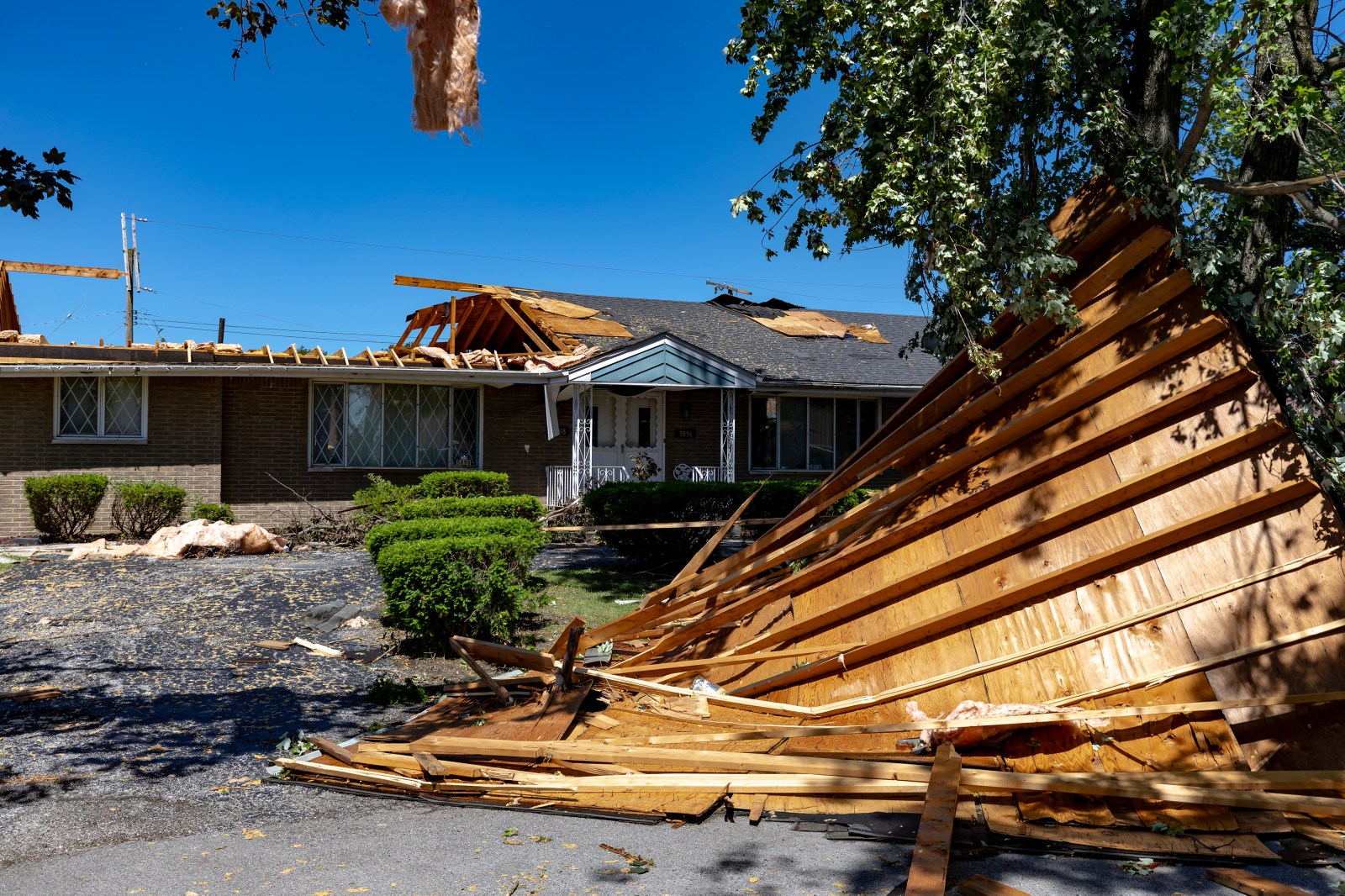
Home prices are rising, and mortgage rates remain high, complicating homeownership for many Americans. In addition, increasing insurance premiums are creating challenges for homeowners, especially in areas prone to natural disasters. A study by LendingTree reveals that in some tornado-prone states, insurance comprises nearly 20% of monthly housing expenses.
In states like Nebraska and Oklahoma, insurance costs more monthly than mortgage payments and property taxes. Nationwide, insurance forms at least 10% of monthly housing costs in 20 states.
Insurance Premiums and Housing Affordability
Experts suggest that the current U.S. housing market faces unique challenges. Home prices surged 54% nationally since 2020, driven by historically low mortgage rates, while rates have now climbed to 6-7% following Federal Reserve actions in 2022. Property taxes have also increased due to rising home values, with states like Florida seeing higher homeowner association fees due to new safety laws.
Concurrent rises in these expenses complicate homeownership for many Americans. Rising insurance premiums are another major factor in the housing affordability crisis.
Rising Insurance Premiums
Insurance premiums have climbed steadily due to more frequent and severe weather events. Disaster-prone states like Florida and California face additional challenges like fraud and litigation, making insurance business riskier. Legislative measures in states such as Florida and California have so far not reversed rising premium trends.
According to JCHS, the average monthly premium in the U.S. increased by 72% between 2019 and 2025, reaching $201. Nationally, home insurance equals 8.5% of a homeowner’s monthly housing costs, on average.
States Most Affected by High Insurance Costs
LendingTree identifies the states where home insurance takes the largest portion of monthly housing costs:
- Nebraska: 19.4% ($413 per month)
- Oklahoma: 17.6% ($278 per month)
- Texas: 14.4% ($331 per month)
- Arkansas: 14.0% ($200 per month)
- South Carolina: 13.5% ($259 per month)
Insurance also costs significantly in other states due to varied threats, including tornadoes, hurricanes, and wildfires.
Contrast these with states where insurance contributes the least to housing costs, like Hawaii, Vermont, and the District of Columbia.
Future of Home Insurance
Insurance premiums are expected to rise through 2026, potentially reaching an average of $3,057 annually, according to Insurify.
Higher premiums could lower homeownership, creating underinsured communities, especially among homeowners without mortgages. Before recent hikes, 6% of U.S. homeowners were without insurance, with Black and Hispanic homeowners being disproportionately uninsured.
The burden of insurance premiums weighs heavily on lower-income households and hazard-prone communities, as noted in an Urban Institute report.
Still, recent data from Bhatt indicate a slowdown in premium hikes, offering a modicum of relief.