
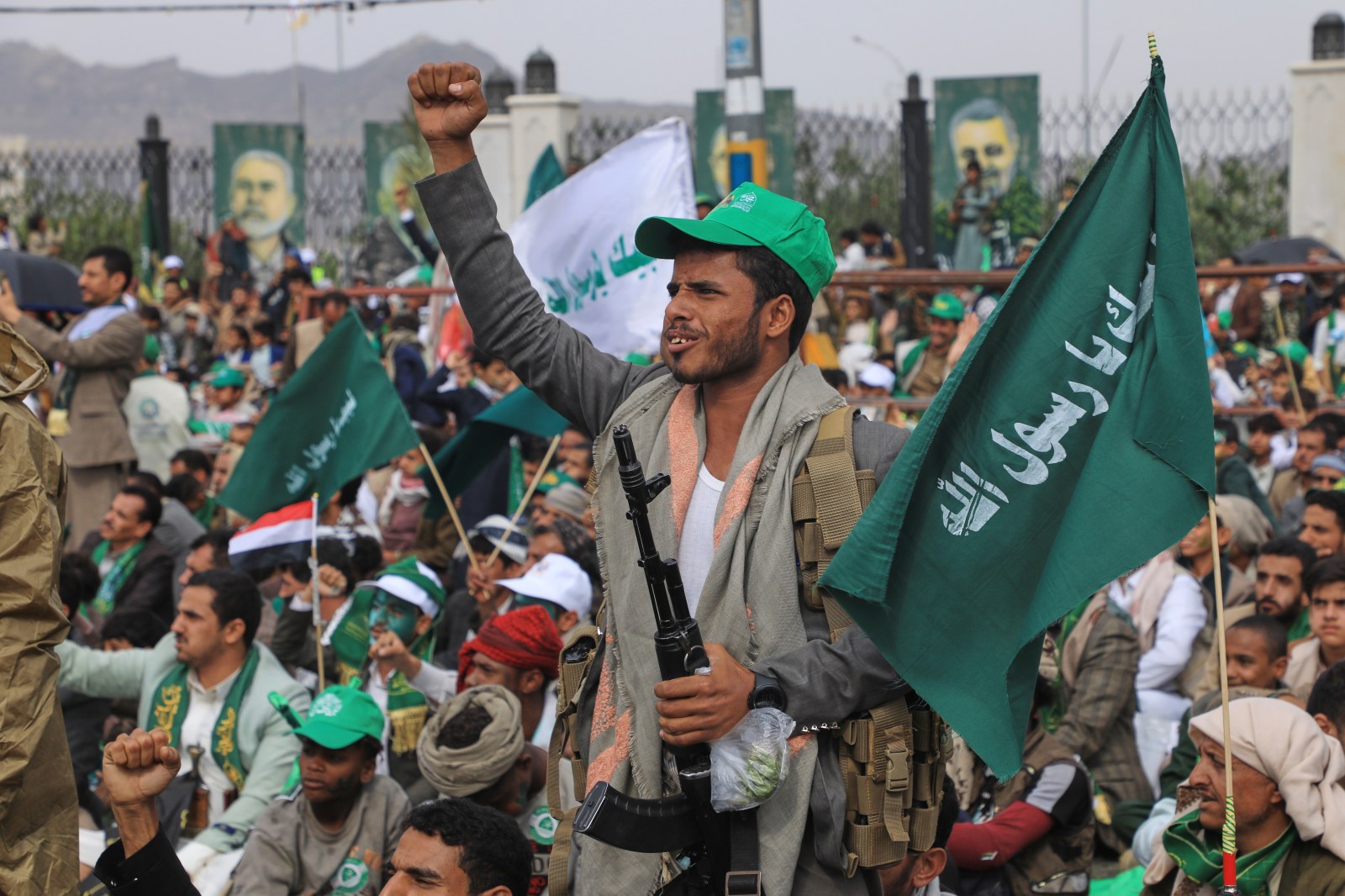
The Prussian strategist Helmuth von Moltke the Elder is often remembered for his well-known saying: No battle plan survives contact with the enemy. This proves relevant for President Donald Trump in the face of recent events involving Yemen’s Houthis. Ansar Allah, part of one of the world’s poorest countries, disrupts a balance of power dominated by nations with immense defense resources and nuclear capabilities.
The Houthis have managed to intensify the already complex Middle Eastern conflict, adding new challenges for the U.S. Their recent offensive saw them strike Saudi cities and critical energy infrastructure while capturing strategic areas around the Red Sea. These actions further complicate Washington’s geopolitical calculations.
One War, Two Chokepoints
For several months, global attention focused on the Strait of Hormuz. Now, another strategic chokepoint enters the spotlight. The Houthis captured Mokha port and Mayun Island, gaining ground inside the Bab el-Mandeb Strait. This key passage links the Red Sea to the Gulf of Aden and handles around 12% of the world’s trade.
“Bab el-Mandeb was not safe before Operation Epic Fury,” noted a security analyst. From November 2023 to October 2025, the U.S. Maritime Administration recorded over 100 Houthi attacks on commercial vessels affecting numerous countries.
However, recent events bring new urgency. U.S. Energy Information Administration figures reveal how oil flows through Hormuz drastically shrunk from 21.6 million barrels a day in late 2025 to 4.9 million in the second quarter of 2026. Conversely, Bab el-Mandeb’s oil flow increased, largely due to Saudi Arabian crude diverting through this route.
Having a presence in Bab el-Mandeb allows Iran another point of influence over the U.S. Iran’s Supreme National Security Council set conditions for reopening Hormuz, emphasizing the cessation of attacks on regional allies. The Islamic Revolutionary Guard Corps insists any resolution with the U.S. should address the Yemeni conflict.
This shifting geopolitical landscape adds complexity to the White House’s Middle Eastern engagements.
Who You Gonna Call?
The Houthi advances raise risks for Saudi Arabia, a significant but vulnerable regional player. Already challenged by the Hormuz crisis, Saudi oil production plummeted to 6.2 million barrels a day in August, marking its lowest in decades. The drop in crude exports further compounds this issue.
Recent Houthi attacks on Saudi locations like Abha, Khamis Mushait, Jazan, and Najran left dozens injured and energy facilities damaged. Satellite images indicate harm to the East-West pipeline, essential for bypassing Hormuz.
Despite signing the Mecca Joint Defense Agreement with Turkey and Pakistan, Saudi Arabia’s initial response wasn’t to rely on these partners. Crown Prince Mohammed bin Salman sought support from Washington to launch retaliatory strikes. While Trump refused direct military action, he offered intelligence and targeting support.
This doesn’t imply the Mecca pact is ineffective. So far, neither Turkey nor Pakistan has an obligation to attack the Houthis directly. Support might include non-offensive aid such as logistics or ammunition. Saudi Arabia must clarify its needs before expecting intervention.
The recent actions highlight Riyadh’s reliance on its Atlantic ally, revealing its preference despite aspirations for regional autonomy in security matters.