
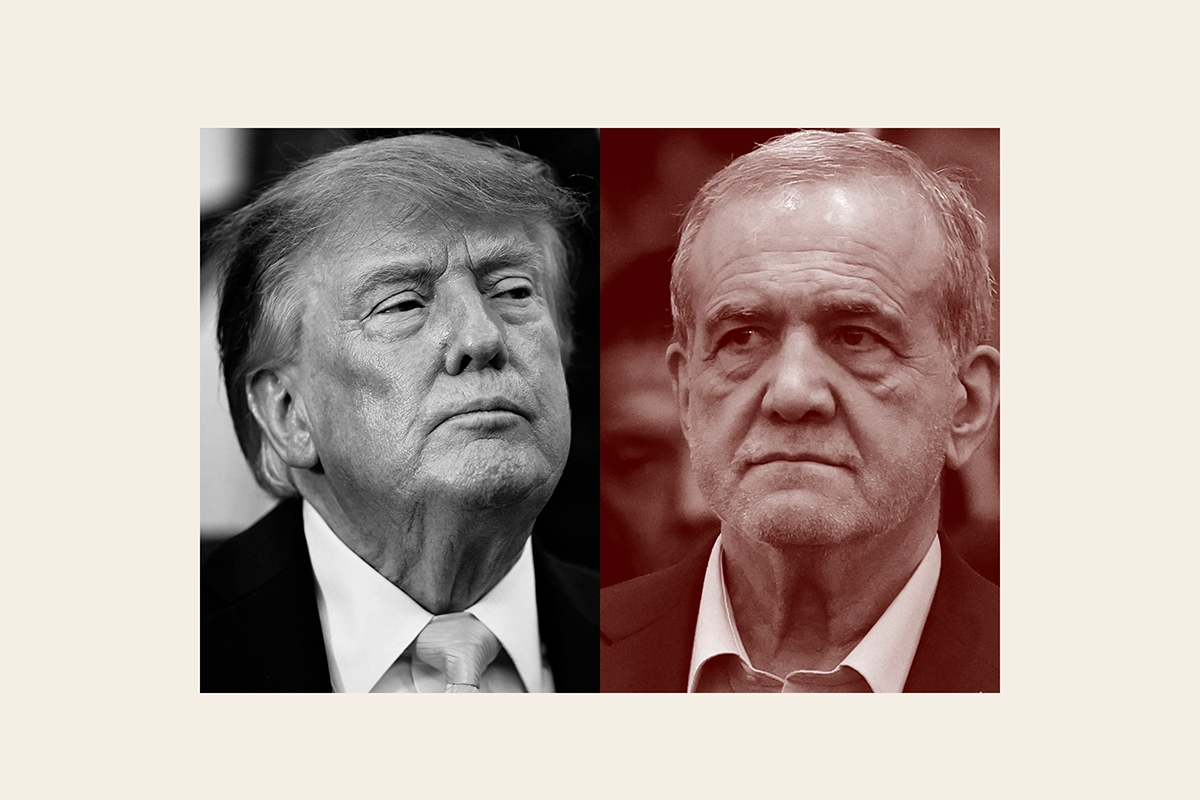
The ongoing war between the United States and Iran has ushered in a new period of heightened tensions. Both governments are experiencing internal pressures as their leaders navigate complex challenges.
Challenges Facing President Trump
In the U.S., President Donald Trump is confronted with growing anti-war sentiment. Voices from within his own MAGA movement are becoming increasingly critical. Concerns are rising about the potential impacts of the war on the mid-term elections scheduled for November.
Numerous signs hint at a significant loss for Republicans in these elections. Recent victories for Democrats in states like Arkansas, Florida, and Texas highlight shifting political dynamics. Polls show a noticeable dip in enthusiasm for the upcoming mid-terms among Republican voters compared to Democrats.
Criticism from influential MAGA figures underscores Trump’s unfulfilled promise of avoiding new wars. This includes notable personalities like Tucker Carlson and Candace Owens. Economic concerns related to the war, such as rising gas prices, are also prominent. Recent data reveal that a majority of Americans now oppose the war.
After the election, someone will eventually have to argue for a different approach.
This statement from Clay Ramsay of the Center for International and Security Studies at Maryland suggests the need for policy reassessment.
Pezeshkian’s Political Landscape
In Iran, President Masoud Pezeshkian is entangled in political complexities. Unlike in the U.S., Iran’s power dynamics involve multiple influential figures, including the supreme leader Ayatollah Mojtaba Khamenei.
The absence of Khamenei from public view has fueled speculation about his status and enabled other leaders to bolster their positions. Among these prominent figures are Parliament Speaker Mohammed Bagher Qalibaf and Judiciary Chief Gholam-Hossein Mohseni-Ejei.
Qalibaf has emerged as a figure capable of bridging internal divides. Meanwhile, Major General Ahmad Vahidi, IRGC’s chief, is quietly expanding his influence. Pezeshkian faces criticism from reformists who question his handling of diplomatic and economic issues amid the conflict.
Despite not holding substantial power compared to other leaders, Pezeshkian is seen as honest and sincere. His mixed Azeri-Kurdish background adds symbolic value, particularly as external forces exploit ethnic fissures within Iran.
Implications for U.S. and Iran
For the U.S., declining support necessitates a reconsideration of strategy. Ramsay advocates for initial confidence-building measures, like negotiating passage rights in the Strait of Hormuz.
Such efforts may face challenges, as hardline elements in Iran are gaining traction, limiting room for diplomacy. The rise of Mojtaba Khamenei, known for his hardline stance, compounds the situation.
The conflict could inadvertently play into Iran’s strategic calculations. Analysts believe extending the war through the elections might increase pressure on the U.S., possibly leading to a political crisis if party control shifts.
The intricate dynamics between domestic politics and foreign policy shape the future of the war, with implications for both nations.