
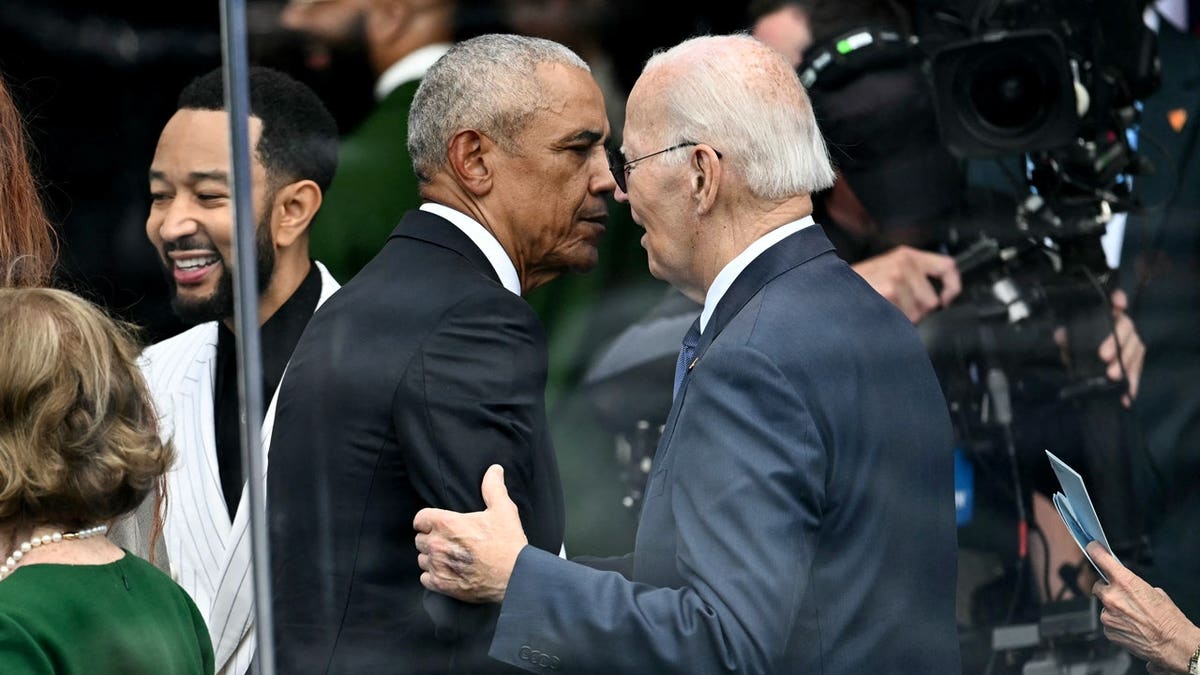
Homeland Security Secretary Markwayne Mullin has expressed frustration with the judicial system, focusing on judges appointed by Presidents Biden and Obama. He emphasized the difficulties encountered by the Trump administration in dealing with these judges, especially concerning immigration cases.
Judge Appointments and Court Challenges
Mullin highlighted challenges faced in federal court, particularly with judges appointed by Biden and Obama. He pointed to recent rulings on immigration, such as those involving birthright citizenship and Ethiopian immigrants. Mullin suggested that judges appointed by these administrations are particularly difficult for the Department of Homeland Security (DHS) to work with.
“We find judges, for the most part, honestly, that we can work with in almost every area,” Mullin stated. “But you’ve got some of the judges that were appointed underneath Obama and definitely, if they’re appointed by Biden, they are almost impossible to work with.”
Immigration Cases and State Cooperation
Mullin argued that immigration cases should be straightforward, hinging on whether individuals have entered the country legally with the proper documentation. He criticized state and local leaders for limiting cooperation with ICE detainer requests in cases involving alleged criminals.
In Virginia, for example, Mullin commented on the termination of 287(g) agreements with ICE, which restricted cooperation for immigration enforcement. He claimed that 50% of recent deaths in Fairfax County were attributed to individuals with illegal status, stressing preventable tragedy.
“I’ve said this multiple times, every death that happens at the hands of an illegal is 100% preventable,” Mullin stated.
DHS’s Stance and Community Decisions
Mullin assured that DHS will not impose federal assistance on cities but will remain ready to support communities seeking help. In Danbury, Connecticut, local policy changes allowed DACA recipients to apply for police positions, which Mullin criticized.
He expressed concern over the prioritization of individuals without legal status in law enforcement roles, underscoring the importance of adhering to legal processes.
“They’re prioritizing criminals over law-abiding citizens. We are a nation of laws, and either we respect them or we don’t,” Mullin added.