
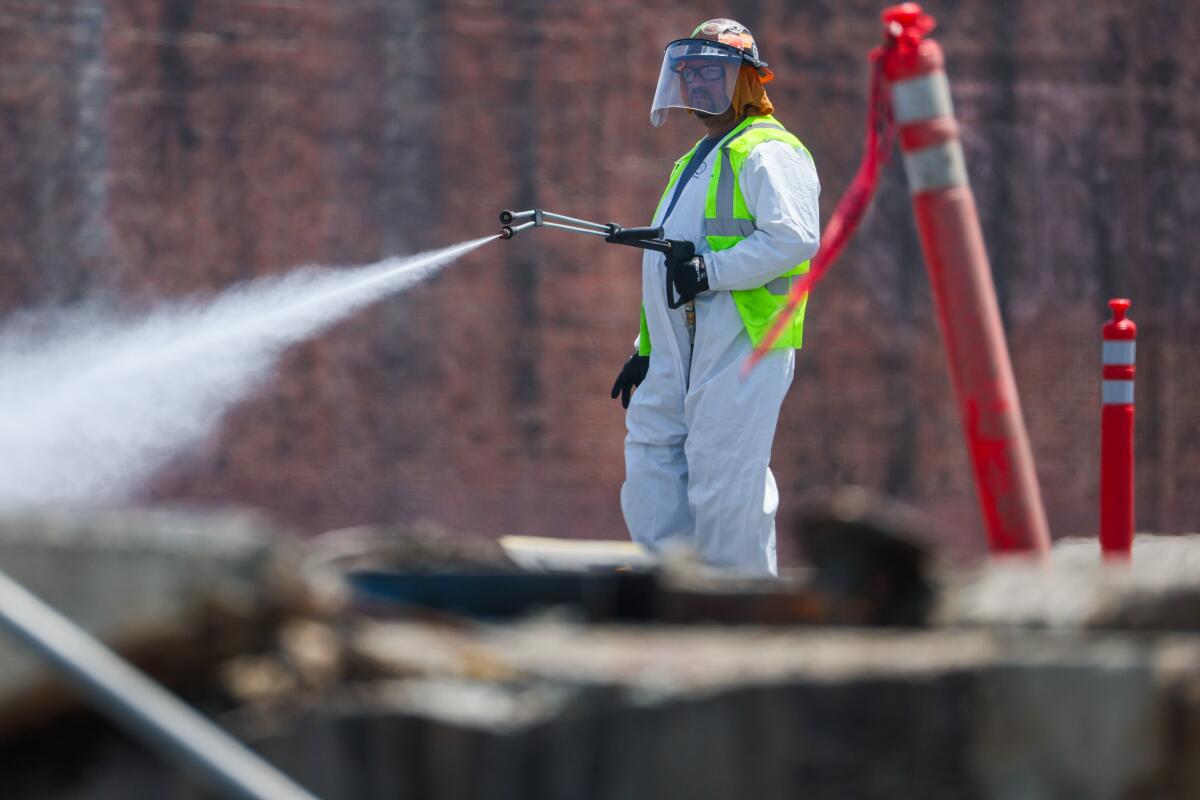
Hundreds of residents in Boyle Heights experienced health issues following a prolonged fire at a cold storage facility, according to recent findings. A study by St. John’s Community Health attributed symptoms like respiratory infections, eye disorders, and persistent coughs to toxic exposure and smoke inhalation. This study sheds light on the potential long-term risks that the fire poses to the local community.
The study examined 1,306 patients treated at mobile clinics during a six-week period after the fire broke out on June 17. Jim Mangia, chief executive of St. John’s Community Health, described the health impacts as both serious and severe, emphasizing the extensive nature of the problem. The study’s findings support accounts shared by local residents for months regarding health issues stemming from the fire near the Lineage refrigerated warehouse.
Data from government sources revealed that air quality near the fire deteriorated significantly, reaching high levels of smoke and soot, comparable to the worst pollution during Los Angeles County fires in January 2025. Emergency room visits for throat pain and smoke inhalation concerns increased during this time. Lineage officials have not commented on the health study. St. John’s Community Health utilized three mobile clinics to gather data in the aftermath of the fire outbreak.
Out of 1,306 patients, about 35.9% met criteria for “fire-related exposure,” with common symptoms such as acute upper respiratory infections, conjunctivitis, cough, asthma aggravation, and other respiratory problems. The report highlighted that a majority of those treated for smoke-related issues were Latina women, with over 91% of all patients identifying as Latino and more than 64% as women. Many affected individuals were 50 years or older. Additionally, some patients reported signs of anxiety, acute stress, and insomnia.
Local residents like Myrna Silva faced ongoing bronchial issues, prompting them to use several air purifiers in their homes. Los Angeles City Councilmember Ysabel Jurado emphasized the necessity of support for affected communities, advocating for funding for HVAC cleaning, odor control, and air-filtration systems, especially for seniors and low-income households. Jurado also stressed the need for accountability from Lineage and other responsible parties for recovery costs.
The fire, originating from the roof of the expansive cold storage warehouse, raised health alarms due to the thick smoke that enveloped the area. Despite the absence of evacuation orders from authorities, two shelter-in-place directives were issued when the fire reached an ammonia line, although no ammonia was detected. Even after the blaze was controlled on June 24, leftover food continued to emit foul odors, leading to issues such as nausea and headaches among residents.
As of the latest reports, 97% of the waste inside the warehouse has been cleared, though Lineage missed an August 14 cleanup deadline set by Mayor Karen Bass. Community groups like Protect L.A. Now, represented by Alma Marquez, have been actively advocating for a complete understanding of the health effects and subsequent action. Marquez highlighted the need for continued monitoring beyond just immediate respiratory health effects, noting other concerns like persistent rashes.
While the frequency of clinic visits has declined, there remains anxiety over other potential hazards from the site, including pest infestations. Lineage continues to face regulatory fines amid ongoing cleanup efforts. Despite this, some residents remain reluctant to seek medical care, fearing incomplete data and underreporting due to individuals dealing with symptoms at home without professional assistance.