
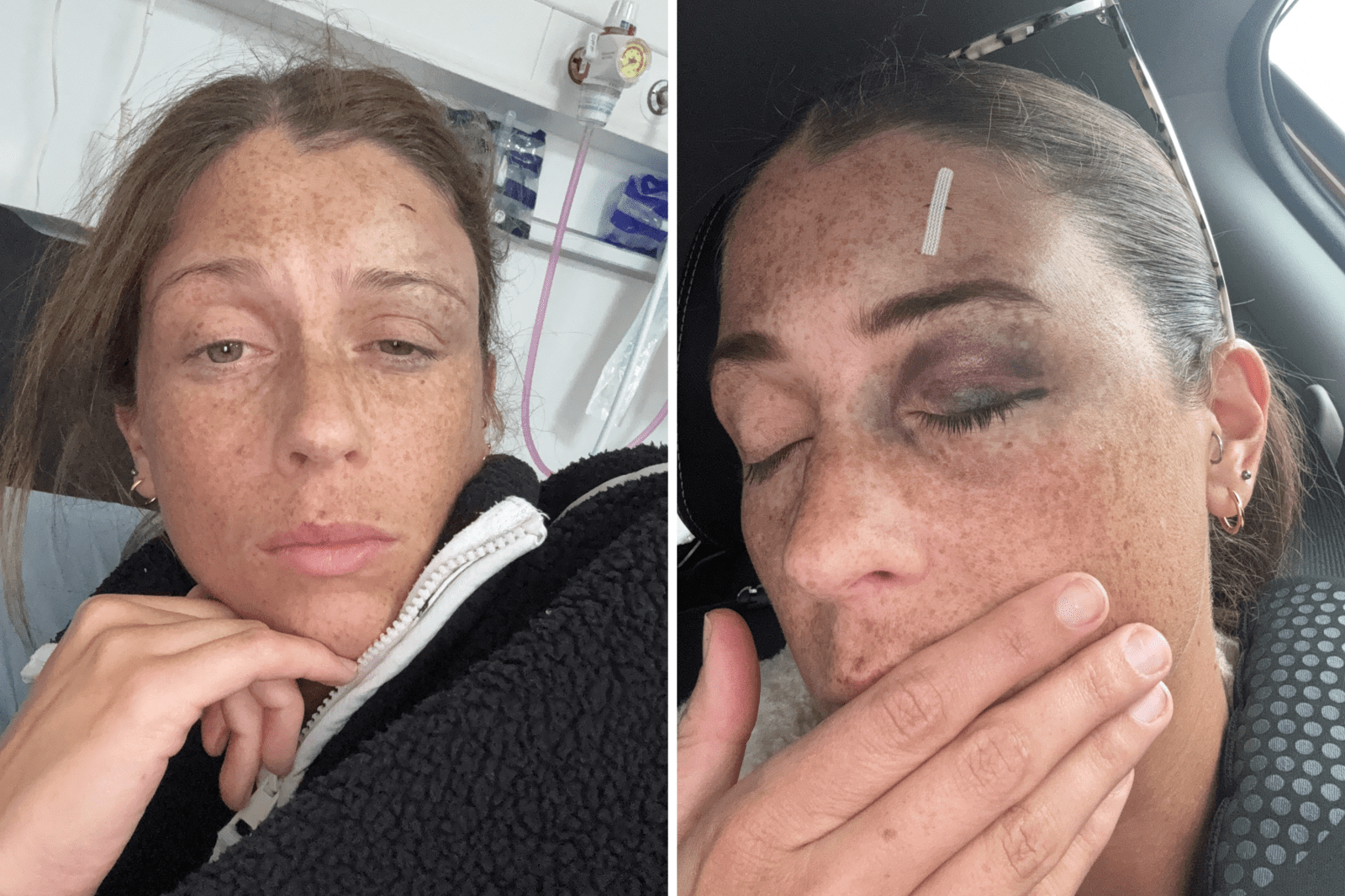
Sarah Watson chose to stop using a contraceptive injection after discovering it was linked to benign brain tumors. Weeks later, she was found unconscious on her bedroom floor, requiring hospital care. The 30-year-old mother of two experienced unusual symptoms soon after discontinuing the Depo-Provera injection, which is administered every 12 to 13 weeks to prevent pregnancy.
Symptoms and Concerns
Watson reported, “I began suffering from headaches, dizziness, and strange sensations, almost like a head rush.” She also experienced frequent sickness and constant fatigue. Initially, her doctor attributed these symptoms to anxiety and prescribed medication, but Watson felt there was another explanation.
“I knew deep down it wasn’t related to my mental health,” Watson insisted. Her symptoms persisted for several weeks until an alarming incident at home led to emergency hospitalization. “I got out of bed to go to the toilet,” she explained. “As soon as I switched the light on, I collapsed and hit my head on a set of drawers.” She lost consciousness for about a minute, suffered a head injury, and was terrified as a single mother.
Hospital Diagnosis
An ambulance arrived hours later, and at the hospital, Watson received a CT scan. Doctors diagnosed a concussion and treated her head wound with butterfly stitches. Watson connected her recent cessation of the contraceptive injection to her symptoms, which seemed to clarify the situation for her doctors.
“As soon as I mentioned the injection, the doctor said you can get withdrawal symptoms and told me it all made sense,” Watson stated. Relieved that her scans showed no signs of meningioma, she still wanted an MRI for further reassurance.
Expert Views on Withdrawal
According to Dr. Julie Hammond, women might experience physical and emotional changes after stopping Depo-Provera, although this is not formally recognized as a withdrawal syndrome. Following discontinuation, hormone levels slowly return to normal as brain signals to the ovaries resume.
The transition period can cause fluctuating hormone levels, with possible side effects like irregular bleeding, spotting, heavier periods, or continued absence of periods. Ovulation commonly resumes within 15 to 49 weeks, but sometimes up to a year. Dr. Hammond noted, “Hormonal effects aren’t limited to reproductive cycles and can affect mood and energy levels as the medication wears off.” She advocates taking women’s experiences seriously, even if medical recognition isn’t formalized.
Watson’s Decision to Stop
Watson, an activities coordinator, had used the contraceptive injection for over two years. She initially chose it after becoming pregnant with her twins while on the contraceptive pill. “When I first started, I was warned of possible weight gain,” she said, adding that she became aware of the meningioma risk earlier this year, prompting her to stop immediately and miss her April appointment.
Statistics and Warnings
The CDC reported that 24.5% of nearly 64,000 sexually active women aged 15 to 49 use the three-month injectable contraceptive. Last year, Depo-Provera’s warnings were updated due to concerns about prolonged medroxyprogesterone acetate use and meningioma.
Pfizer’s current patient information in the U.K. warns about potential development of benign tumors around the brain and spinal cord. It advises seeking medical attention for symptoms like vision changes, hearing loss, ringing in the ears, worsening headaches, memory loss, seizures, or limb weakness.
A Pfizer spokesperson emphasized, “Patient safety is our top priority. We conduct ongoing monitoring of our medicines in collaboration with global health authorities. Depo-Provera has been approved in over 60 countries in 30 years, offering a well-established safety profile for millions of patients.” Patients should consult with healthcare providers about concerns or side effects.