
As heatwaves grow more intense and widespread, maintaining indoor coolness shifts from mere comfort to an essential health priority. Recently, millions across the US faced extreme heat warnings, with some events branded as “once-in-a-century.” In areas of the Northeast, temperatures have soared into the triple digits. Experts warn that a developing “super El Niño” could exacerbate future summer heat.
The National Weather Service has urged staying indoors during peak heat to avoid health risks, particularly for older adults, children, and those without air conditioning. However, you can still make your home cooler without AC. Here are practical steps:
Blocking the Sun
Begin by blocking sunlight. Heat builds rapidly when sunlight streams through windows, so close blinds or curtains during the hottest parts of the day. Engineering consultant Matt Plouffe from Efficiency Vermont explains, “Summer sun delivers heat right through your windows.” Keeping blinds closed during peak sun hours can significantly lower indoor temperatures.
Adjusting Your Routine
Switch up your daily routines with appliances that emit heat. Ovens, dishwashers, and dryers add warmth; thus, move these activities to the evening. According to Plouffe, “Summer is not the time to roast chicken or make lasagna.” Cook outside or opt for meals that don’t warm the house.
Maximizing Cooler Nights
Utilize cooler night temperatures. Once the outside cools down, open windows to create a cross-breeze and let cooler air circulate while you sleep. “Take advantage of cooler summer evenings and open your windows to promote a cross-breeze,” Plouffe suggests. Ensure windows are closed again in the morning before temperatures rise.
Efficient Use of Fans
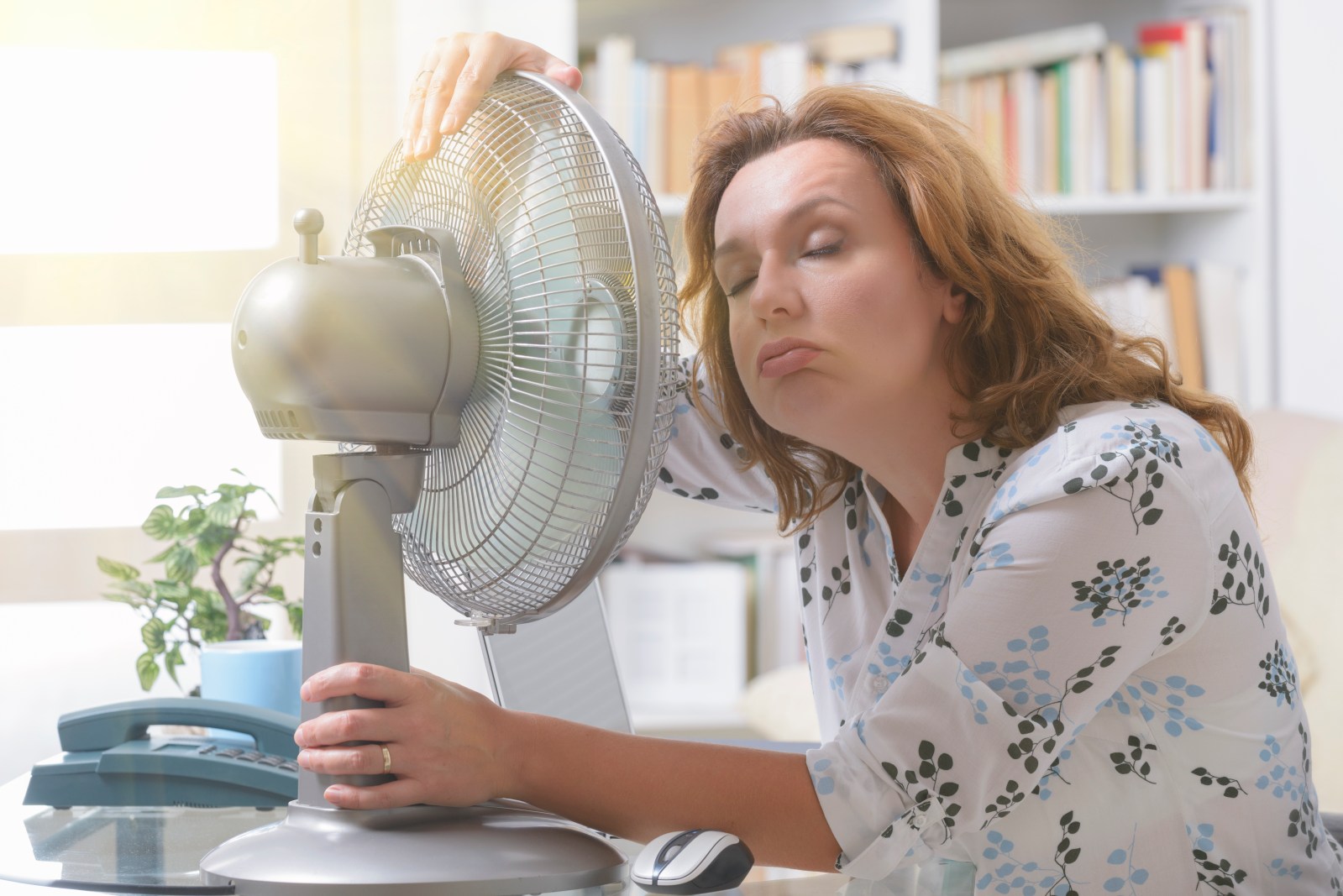
Utilize fans effectively. Plouffe noted, “Fans keep air moving around, rather than cooling the air.” Aim them directly at yourself for relief or place them near a window to draw in cooler night air. Ceiling fans should rotate counterclockwise in summer to push air downward.
Making Simple Interior Adjustments
Modify your space with minor adjustments. Swap heavy fabrics for linen and cotton; these materials breathe better and feel cooler. Principal architect Lenka Ilic from Apartment Renovation NYC highlights that natural fibers “breathe and feel cooler to the touch.” Remove rugs to prevent heat from trapping at the floor level.
Focusing on Cooler Areas
Avoid cooling unnecessary areas. Close doors to unused rooms and concentrate on spaces you occupy. Consumer finance expert Austin Kilgore suggests using naturally cooler places, “If you have a usable basement, consider sleeping there on warm nights.”
Implementing Bigger Changes
Once you’ve handled basics, consider bigger changes without major renovations. Thermal blinds can reduce temperatures by a few degrees. Pay attention to sunlight movement to stay ahead of the heat. Kilgore advises, “Opening and closing can make a big difference in preventing sun from heating up an area.”
Structural and Materials Adjustments
If you seek further solutions, consider your home’s structure. External features like overhangs, shutters, and awnings block sunlight before reaching the glass. Ilic states these are more effective than indoor blinds. Ventilation design matters too, as “Warm air rises, exits at high level… drawing cool air in at low level.” Balancing airflow can improve cooling without energy use.
Proper materials also play a role. Surfaces such as stone, tile, or concrete stabilize temperatures by slowly releasing absorbed heat. Lighter wall colors reflect heat rather than absorb it.
No single adjustment will solve everything, but cooling is cumulative. As Ilic mentions, “Cooling is cumulative; no single decision transforms a house.” By layering these strategies, you can reduce heat reliance on air conditioning.