
Controversy Surrounding Amendment 3
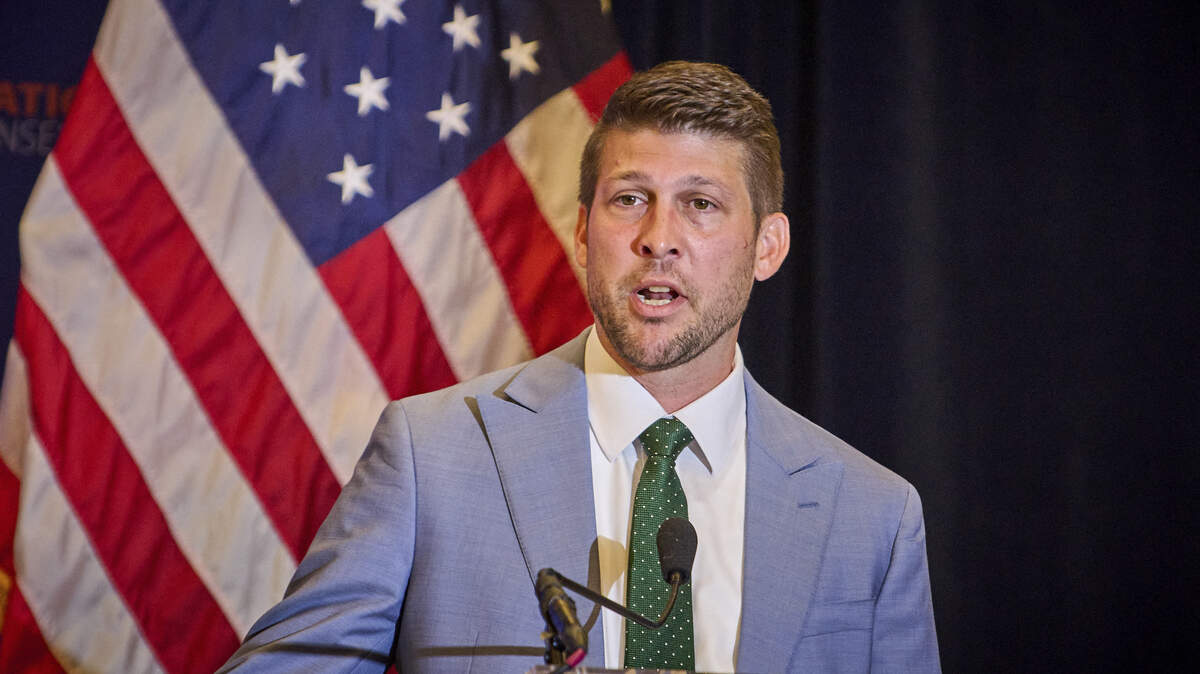
In a recent development, James Uthmeier spoke at the National Conservatism Conference in Washington D.C. on September 3, 2025. The discussion centered around Amendment 3, a proposal aimed at cutting property taxes in Florida. A judge from Tallahassee highlighted significant flaws in the amendment’s ballot language. According to Leon County Circuit Judge David Frank, the wording was biased and needed revision for voters to make an informed decision.
Judge Frank declared the language to be “clearly and conclusively defective.” He criticized the title — “Save Our Homes From Excessive Property Taxes” — as well as the summary language visible to voters, labeling them as political rhetoric rather than neutral explanations.
Call for Neutral Ballot Language
Frank emphasized that voters deserve fair and clear ballot statements to assist with critical decisions. He stated that the current language would prevent voters from making meaningful choices. The title was dismissed as akin to a political slogan, rather than an impartial label.
The amendment has been fiercely debated. Initially advanced by Governor Ron DeSantis, the proposal aimed to boost the homestead exemption on owner-occupied homes to $150,000 in 2027 and $250,000 in 2028. Another element would reduce the annual cap on assessment increases for non-homestead properties from 10% to 5%.
Legislation and Political Backlash
During legislative approval, Republicans retained the segment of property tax responsible for public school funding. DeSantis, who had advocated for property tax reduction, expressed discontent with the changes. He remarked in June that the Legislature’s revisions diverged from his initial proposal.
The legal challenge to Amendment 3 was launched by the bipartisan group “Save Our Voters From Misleading Ballot Language.” This group consists of figures such as Sen. Jeff Brandes, U.S. Rep. Al Lawson, and former mayors Thomas Campenni and Michael Davey.
Attorney General’s Role and Timeline
Attorney General James Uthmeier, appointed by DeSantis, has ten days to revise the ballot language. Legal challenges to the new language must occur within ten days subsequent to the revision. With the August 18 primary past, election supervisors are preparing the November ballot, making timely action crucial.
“Ensuring funding for core services, protecting small businesses, and ensuring fairness for Florida residents,” were subheads identified by Frank as inaccurate. He remarked that the amendment could decrease local government revenue for essential services like police and fire departments.
The amendment promises “fairness for Florida residents,” yet Frank identified discrimination against specific groups. Renters may face higher costs, and Floridians becoming residents after 2026 could endure waiting for five years before benefitting from expanded exemptions.
Impact on Local Governance
The judge noted the omission of information regarding the amendment’s potential to alter the “home rule” concept. The amendment would allow the Legislature control over ad valorem tax spending, shifting power from city and county hands to the state.
Voters ultimately decide in November, assuming the revised language appears on the ballot. If devoid of misleading wording, Floridians will have a better chance to understand the proposed changes.