
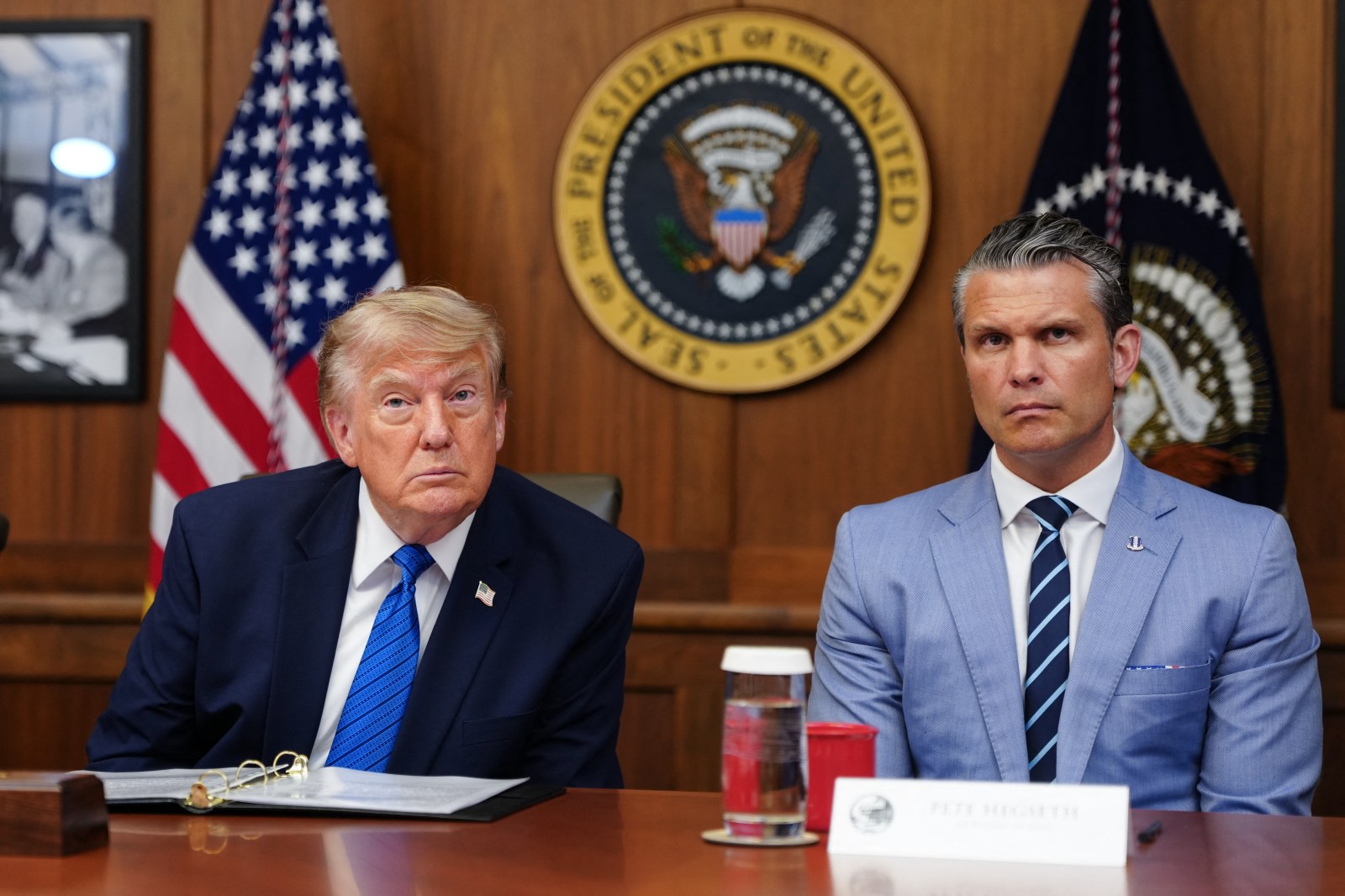
Defense Secretary Pete Hegseth faces increasing criticism from Republicans as his public standing diminishes. A recent Marquette Law School poll indicates his favorability has declined amid scrutiny over his management of the Iran war.
Key Senators Voice Concerns
Senator Thom Tillis from North Carolina expressed he has “lost confidence” in Hegseth, citing forced retirements of senior military leaders and perceived micromanagement at the Pentagon. Maine Senator Susan Collins, who leads the Appropriations Committee, described the departures as “deeply troubling.” Senators Shelley Moore Capito from West Virginia and Joni Ernst from Iowa also warned that public patience with the ongoing conflict is waning.
Recent Polling on Hegseth
The Marquette Law School poll, conducted from July 22-29, showed Hegseth tied with Donald Trump for the lowest net favorability among administration figures, with a minus 22 points rating. He held a 23 percent favorable rating but a 45 percent unfavorable rating. Moreover, 32 percent of respondents hadn’t formed an opinion about him, despite his leadership during the Iran war.
An earlier poll in May showed a more favorable situation for Hegseth among Republicans, reflecting a net favorability of plus 36 points. At that time, he was viewed favorably by 55 percent, unfavorably by 19 percent, yet still ranked last among four Republican figures tested. No updated Republican-only breakdown has been released since then.
Republican Voting Enthusiasm
There is a noticeable enthusiasm gap among Republican voters. The July poll showed a decrease in enthusiasm for voting, with 30 percent very enthusiastic in July, down from 36 percent in May. Additionally, Republicans lagged behind Democrats in voting certainty, 65 percent to Democrats’ 70 percent.
Munitions Shortages and Leadership Tensions
“Munitions shortages have sparked questions over Hegseth’s leadership,” reported the Washington Post.
The article followed reports of Trump’s frustration at Camp David, where he demanded answers from Hegseth about misleading information on munitions shortages affecting military operations against Iran. Hegseth reportedly blamed Deputy Defense Secretary Stephen Feinberg for the shortages and lack of updates to Trump.
The White House refuted this account. Spokesperson Karoline Leavitt described the report as “fake news,” asserting Trump’s confidence in Hegseth. Pentagon spokesman Sean Parnell reinforced that Hegseth did not mislead anyone about munitions issues.
Trump countered on Truth Social, asserting the U.S. possesses “massive amounts” of munitions, with more under production and shipping. He criticized the alleged leakers of the report.
Stability of Hegseth’s Position
This tension highlights a shift for Hegseth, who appeared stable after successful operations such as capturing former Venezuelan leader Nicolas Maduro. Despite past controversies, he retained Trump’s support. Pentagon spokesman Parnell affirmed Hegseth’s position remains secure.
Republican Discontent with Hegseth’s Leadership
Months of Republican critiques target Hegseth’s management of the Iran war, now in its sixth month. Tillis previously expressed concerns about Hegseth’s leadership style.
He warned against impulsive decisions, urging Hegseth to engage knowledgeable military professionals rather than deferential advisers. Significant portions of munitions have been consumed since the war began on February 28. Reports indicate substantial use of Tomahawk cruise missiles, Patriot interceptors, and Army tactical ballistic missiles, with stockpiles nearing depletion.
Hegseth, Feinberg, and Joint Chiefs Chairman General Dan Caine requested $67 billion from Congress to replenish stockpiles. Senate Republicans have yet to act on this request.
Newsweek contacted editors Jason Lemon and Sam Wilson for additional comments on the story.