
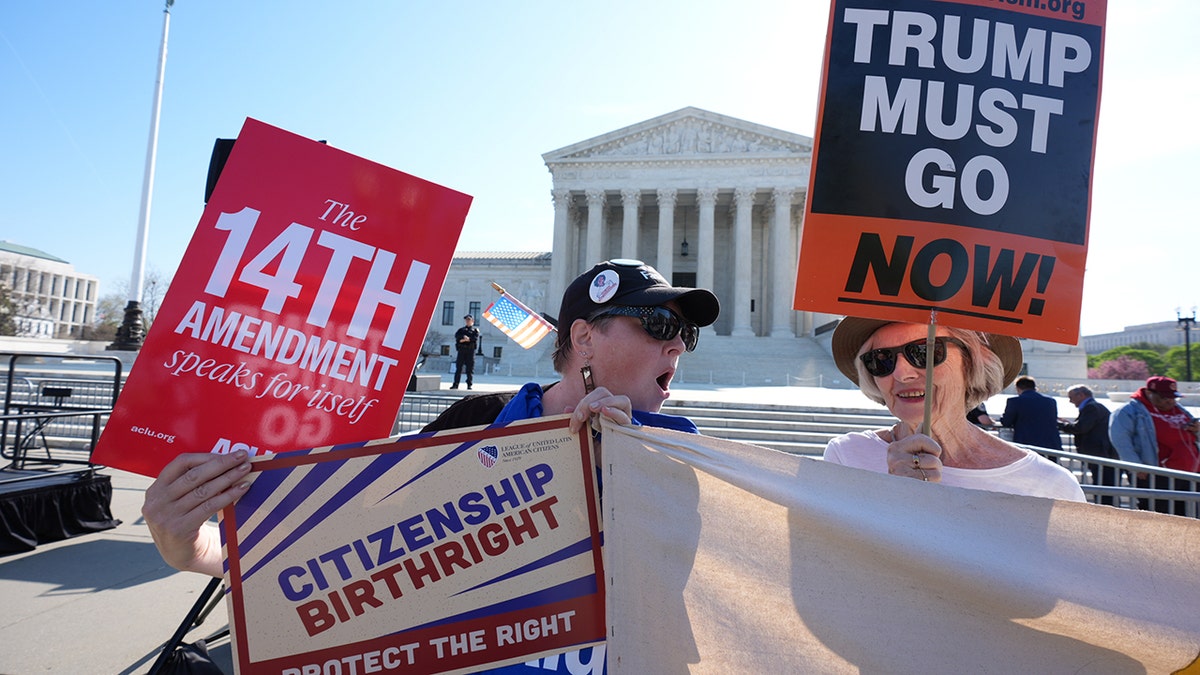
The Supreme Court’s recent decision in the case of Trump v. Barbara has sparked widespread debate about birthright citizenship. In this decision, five justices ruled that children born in the U.S. to foreign nationals, including those from China and other countries, are entitled to U.S. citizenship. This includes children of birth tourists and individuals on temporary visas, which has raised concerns about its impact on American society.
Birthright citizenship, as granted by Section 1 of the Fourteenth Amendment, was originally designed to ensure citizenship for the children of former slaves. However, this provision is now being applied to anyone born in the country, creating a divide in the interpretation of the amendment.
Section 2 of the same amendment dictates how House seats are allocated based on state populations. Historically, foreign diplomats and soldiers are excluded from both the citizenship and census counts. However, since Jimmy Carter’s presidency, individuals in the U.S. illegally have been included in census counts. This decision compounds existing issues, as it extends citizenship rights to children born to foreign nationals within U.S. borders.
Critics argue this creates inconsistencies in how the census categories are interpreted. People on temporary visas are counted in the census, while tourists are not. This has led to claims of an imbalanced system.
Congress has proposed the Equal Representation Act as a solution, aiming to restrict census counts to U.S. citizens and lawful permanent residents. This legislative effort is grounded in the interpretation of United States v. Wong Kim Ark from 1898 and aligns with the provisions of the Fourteenth Amendment.
The stakes extend beyond political representation. The census also influences federal funding distribution for Medicaid, meaning non-citizens impact both representation and financial allocations. Some states have reportedly exploited these census misinterpretations for additional benefits and resources.
There is also concern over national security implications. For example, China’s potential influence through its citizens could affect Congressional representation and even electoral outcomes in the U.S. The current situation might allow foreign entities undue influence over American democratic processes.
Many see legislative action as critical. The Equal Representation Act seeks to redefine who is counted in the census, aiming to protect American democracy from foreign influence. Congressional action and Supreme Court support are viewed as essential to prevent misuse of the American citizenship and census systems.