
Veterans who were involved in Cold War-era nuclear cleanup efforts might soon qualify for a one-time federal payment up to $150,000, thanks to new legislation. The Radiation Exposure Reauthorization Act of 2026 aims to broaden compensation for Americans affected by radiation from the United States’ nuclear weapons activities.
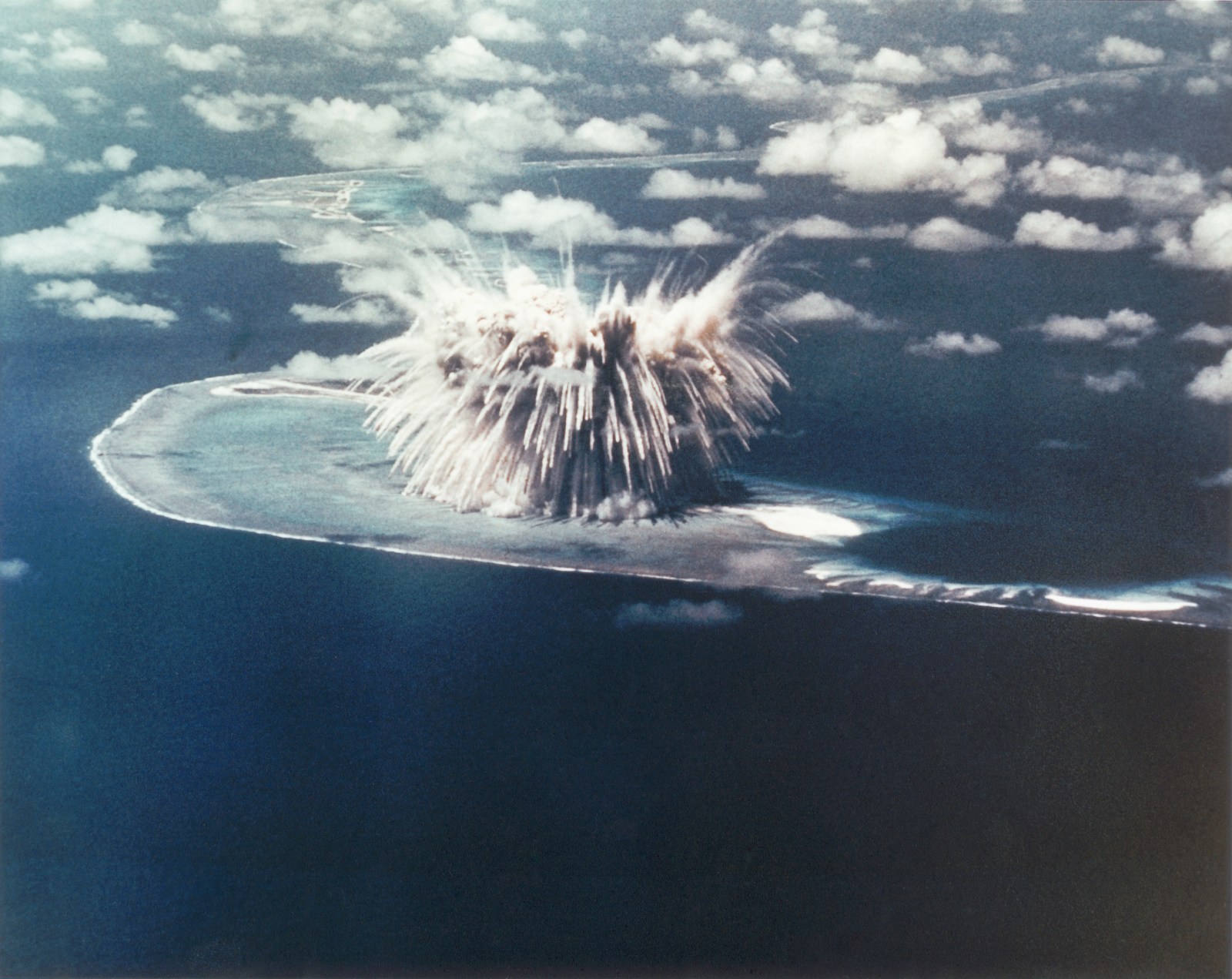
The proposed bill intends to amend the Radiation Exposure Compensation Act (RECA) by extending eligibility to veterans who took part in cleanup operations at specific sites. These locations include Enewetak Atoll in the Marshall Islands, Palomares, Spain, and Thule, Greenland. Each site experienced nuclear incidents or weapons testing resulting in radioactive contamination. Representative James Moylan, a Republican from Guam behind the bill, stated the proposal seeks to adjust RECA eligibility to acknowledge the realities of U.S. atomic weapons testing.
Why It Matters
Veterans impacted by high levels of radiation during these cleanup missions have been mostly left out from the federal compensation programs accessible to other atomic veterans. Many of the affected service members have been confronting diseases such as cancer, heart disease, and bone disorders possibly linked to their missions.
If approved, the proposal will also increase the maximum RECA payment for eligible individuals from its current cap of $75,000 to $150,000.
What To Know
The anticipated legislation, likely to be introduced by Moylan along with a bipartisan team, builds upon the original Radiation Exposure Compensation Act enacted in 1990. Key aspects of the bill include:
- Eligibility for RECA benefits for veterans involved in cleanup at Enewetak Atoll, Palomares, and Thule.
- Increase in one-time compensation payments to $150,000.
- Additional qualified cancers and illnesses for compensation.
- Extended compensation filing deadline through December 31, 2042.
“We have learned a lot about exposure to radiation over the past 50-plus years, and we now realize these civilians and veterans have been overlooked for benefits,” said Drew Powers from Powers Financial Group to Newsweek.
Which Veterans Could Qualify?
The bill aims at veterans involved in significant cleanup operations:
Enewetak Atoll
Between 1948 and 1958, Enewetak Atoll was the site of 43 U.S. nuclear tests, including the first hydrogen bomb detonation. In the late 1970s, service members were deployed to clear radioactive debris and manage contaminated waste.
Palomares, Spain
After a hydrogen bomb accident in 1966 dispersed radioactive materials near Palomares, U.S. military personnel were dispatched to manage the situation.
Thule, Greenland
Cleanup crews were sent to Thule following a 1968 accident involving a nuclear-armed B-52 bomber.
The PACT Act previously acknowledged these veterans as having presumptive radiation exposure for VA disability claims; however, RECA compensation was not extended to them. “This bill would expand presumptive conditions for atomic veterans,” Michael Ryan commented to Newsweek. “If your service fits the profile and you have a radiogenic illness, VA presumes the connection, eliminating the need to prove exposure specifics from decades ago.”
How Many Veterans Could Receive the Payment?
The group of veterans likely eligible for this payment is relatively small. Keith Keifer, national commander of the National Association of Atomic Veterans, estimated that fewer than 6,000 veterans took part in the cleanup missions across the three sites. Of those, only several hundred may still be living today. Keifer noted that fewer than 400 surviving veterans are from the Enewetak mission alone, with similar low numbers believed for the Thule and Palomares sites.
“The bill would remove one of the biggest hurdles these veterans face today: proving the exact amount of radiation they were exposed to decades ago,” stated Kevin Thompson to Newsweek.
“The bill has a moderate chance of passing; however, the legislative environment presents challenges. Other veteran-focused bills, like the Take Care of America’s Veterans Act, are under debate, causing division among lawmakers over benefit funding,” he added.
What Happens Next
Moylan’s office announced that the bill is expected to be officially presented in Congress soon as sponsors aim to gather bipartisan support. If enacted, the proposal will expand the RECA program, which has already provided more than $2.6 billion to over 41,000 claimants since its inception, according to a Congressional Research Service report.
“Similar to other proposed veteran legislation, this will face considerable resistance,” noted Powers. “Funding remains a contested issue, even when it pertains to veterans.”