
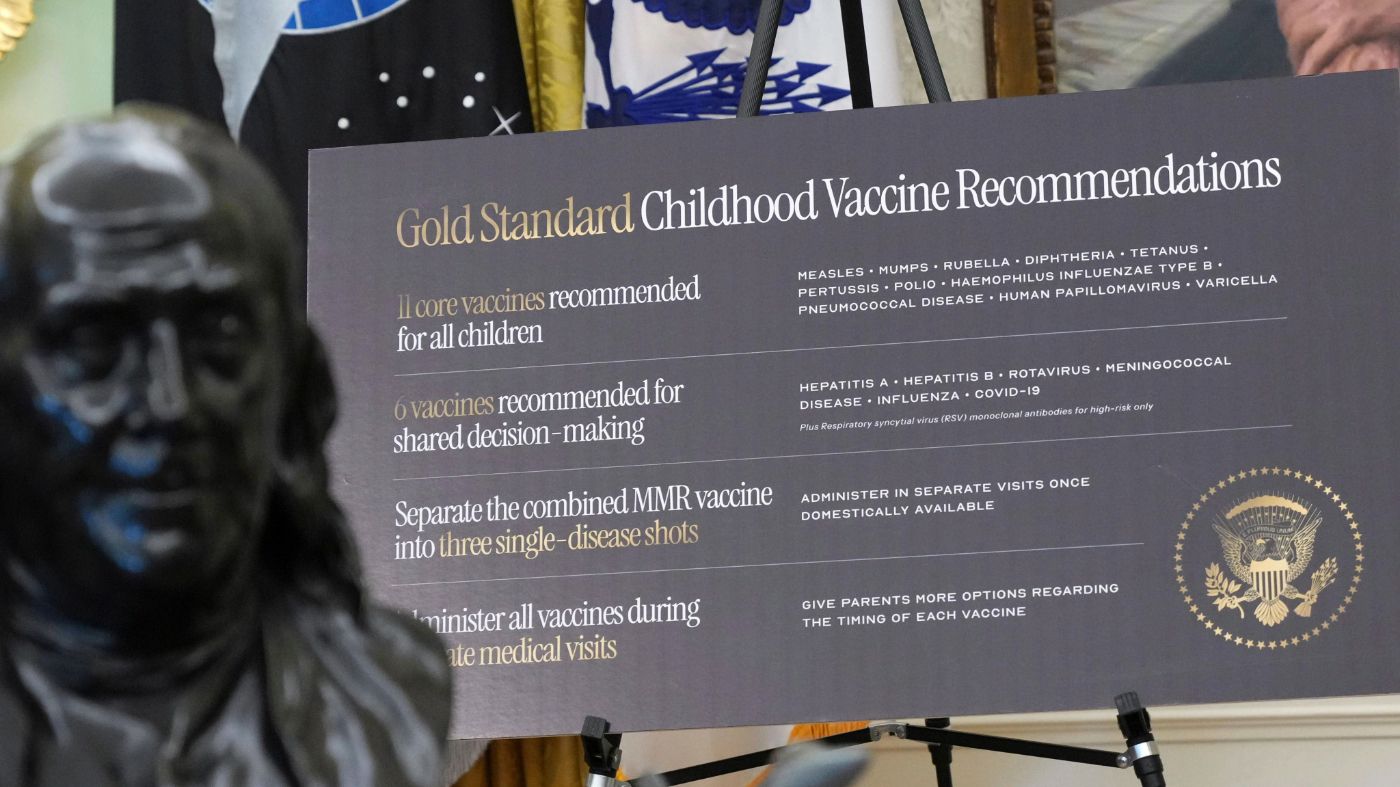
On August 10, 2026, President Donald Trump signed an executive order aimed at significantly altering the U.S. childhood vaccine schedule. The intention is to align with other advanced nations. The decision, however, sparks concerns about potential risks to American families and the nation’s health outcomes.
Many nations, including Denmark, Germany, and Japan, consistently outperform the U.S. in terms of health. Citizens in these countries enjoy longer lives, healthier childbirths, and lower chronic disease rates. Some believe the U.S. should focus on factors besides vaccine schedules to learn from these nations.
Denmark provides an example of effective overall health strategies. Its healthcare system evolved through deliberate choices and universal care, which are not directly linked to vaccine schedules. This nation and others with robust primary care can often ensure timely care with fewer doses compared to the U.S., which uses extra doses to compensate for a fragmented system.
To improve health outcomes in the U.S., it is vital to analyze the key elements contributing to better health in other countries. Access to affordable, accessible healthcare, including regular primary care, plays a significant role. Medicines and vaccines are accessible without financial barriers, enabling preventive and effective management of health conditions.
Support systems in countries like Denmark ensure that healthcare investments lead to better diagnosis, management of chronic conditions, and healthier populations. Policies that emphasize universal health coverage build a system providing consistent quality care.
In contrast, millions in the U.S. remain uninsured or face prohibitive costs, leading to delayed care and medical debt. The focus should shift toward policies that make healthcare and prescription drugs more accessible and affordable. Emphasizing primary care, maternal and child health, prevention, and public health could address systemic health challenges.
By observing healthcare systems in other countries, the U.S. can identify actionable insights. The core lesson lies in their strong foundation of health security, made possible through investments and policies that prioritize healthcare access as a right, not a privilege.
Reginald D. Williams II is a senior vice president and leader of the international health program at the Commonwealth Fund.