
School vouchers and subsidies for private schools are pivotal in several governor’s races this year. Democrats hope that public school funding concerns will attract suburban and rural voters. The debate is unfolding in five states: Arizona, Florida, Iowa, Ohio, and Texas. Candidates are discussing the impact of diverting public money to private education.
Public schools are on low monetary reserves but at the same time, many parents are trying to use tax money for private schools through vouchers,said Karen Aronian of Aronian Education Design to Newsweek.For student families, the next election will be significant.
Why It Matters
School-choice programs have grown swiftly, especially in Republican-led states with universal voucher initiatives. Some argue these divert funds from public schools, while others believe parents should allocate education funds to schools that best suit their children. This issue is crucial for competitive governor’s races.
States Where School Vouchers Are a Major Election Issue
Arizona
Democrats aim to secure the governor’s office, while Republicans push for expansive voucher programs. Arizona’s Empowerment Scholarship Account program covers over 99,000 students with universal eligibility. Opponents worry about its impact on public schools.
While private school vouchers have a place in American public education, they should not undermine public schools,said William Hall, a political science and business professor at Webster University, to Newsweek.
Florida
Florida hosts one of the largest school-choice systems. Democrats criticize its effects on public school funding. Republican Representative Byron Donalds supports the system, while Democratic opponent, former Representative David Jolly, emphasizes public education improvements.
Florida families have access to the nation’s top-ranked school choice program,said Republican Governor Ron DeSantis during the Education Freedom Tax Credit announcement.
Iowa
In Iowa’s governor’s race, vouchers are a significant issue. The Students First Act expanded Education Savings Accounts statewide, offering $7,773 per student. Republican Governor Kim Reynolds emphasized empowering student choices across educational institutions.
Ohio
Ohio sees continued expansion of voucher programs. Education funding remains a campaign focal point between Democrat Amy Acton and Republican Vivek Ramaswamy. Caroline Welles of The First Ask highlights the significant impact of legislative races on voucher policies.
Texas
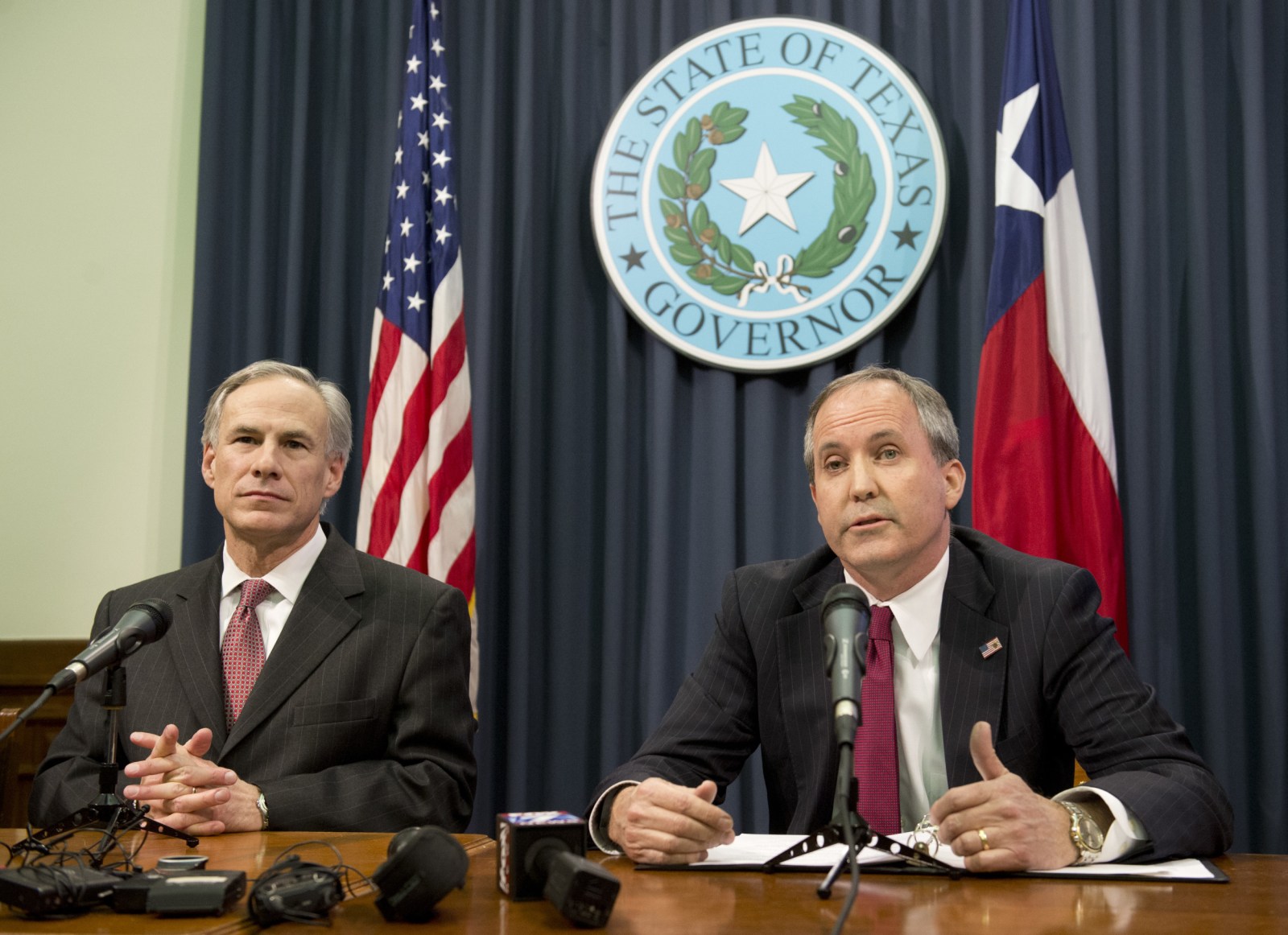
Texas has the Education Freedom Act, a universal ESA program of $10,800 per student. Democrats, like gubernatorial candidate Gina Hinojosa, focus on opposing this program, emphasizing that funds should address classroom needs amid school closures and teacher shortages.
Which States Have the Biggest Funding Gaps?
Data on funding gaps between voucher and public school programs is limited, but several states stand out for voucher funding:
- Texas: $10,800 per student annually for private school and educational expenses.
- Utah: $8,000 per student for private tuition and approved costs.
- Iowa: $7,773 per student with eligibility starting 2025-2026.
- Florida: Universal choice through Family Empowerment Scholarships for all K-12 students.
Vouchers mainly take money from public education, benefiting higher-income families already inclined toward private schools,said Lisa Lightner, a special education advocate at A Day In Our Shoes, to Newsweek.
What Happens Next
As governor’s races become tighter, education funding and school-choice debates will remain key issues until Election Day on November 3. The Arizona, Florida, Iowa, Ohio, and Texas races see Democrats and Republicans presenting opposing views on resource allocation. The election outcomes could determine the future expansion or oversight of voucher programs.