
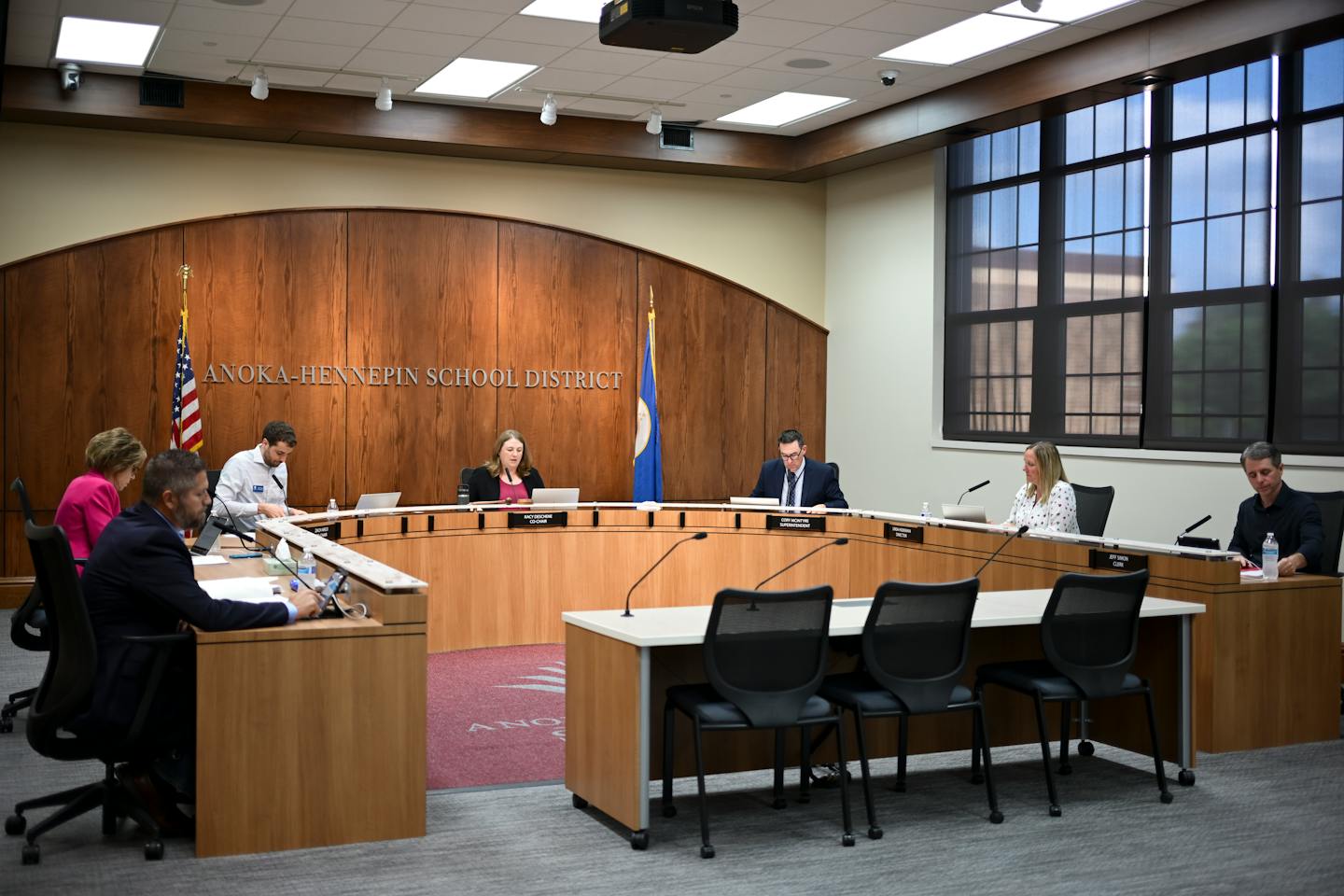
The Anoka-Hennepin school board faces a decision about social and emotional learning (SEL) in the district. This topic has stirred debate among members over the past months, similar to past educational controversies like Common Core and Critical Race Theory.
Board Member Matt Audette, at a meeting held on May 5, strongly opposed the current SEL programs. He suggested creating a curriculum within the district to maintain oversight, calling existing programs ‘poison for our kids.’ In contrast, Co-chair Kacy Deschene supported the present syllabus, citing research that shows academic benefits. Deschene argued there is no real issue other than perception.
Faith Miller, an associate professor at the University of Minnesota, explained that SEL concepts have been integral to education for decades. However, recent political climates have influenced public opinion and intensified scrutiny.
Understanding Social and Emotional Learning
The Minnesota Department of Education describes SEL as a process that helps students learn to manage emotions, set goals, build relationships, and make responsible choices. SEL seeks to provide skills that go beyond academic learning, similar to past character education programs from the 1980s and ’90s.
Efforts to implement SEL increased following the Columbine school shooting in 1999, including a 2014 Minnesota law aimed at reducing bullying. The COVID-19 pandemic further highlighted mental health needs among students, leading to increased SEL focus and funding.
SEL in Anoka-Hennepin
The district implements SEL through programs like Leader in Me and CharacterStrong. These have been active over the past five years at different elementary and middle schools. Lessons typically include character-boosting activities and reflection opportunities, contributing to a shared language among teachers and students.
Tom Shaw, Director of Student Services, emphasizes that the district’s SEL efforts are simple yet meaningful. They focus on fostering friendships and enhancing social skills. Shaw suggests that visitors to classrooms might find the activities reassuringly straightforward.
Controversy and Political Tensions
SEL received bipartisan support until political tensions rose during the pandemic and events in 2020. Critics, particularly from conservative groups, fear SEL might include teachings on social justice issues. The Collaborative for Academic, Social and Emotional Learning (CASEL) redefined SEL to address identity and inequity, adding fuel to these concerns.
Despite fears, ‘transformative SEL,’ highlighting student identity, is not applied in Anoka-Hennepin schools as clarified by district communications.
Parental and Teacher Perspectives
While most parents support SEL ideas, a 2021 survey revealed discomfort with the terminology, especially among Republicans. Concerns also revolve around potential time constraints for teaching both academic and SEL content. In Anoka-Hennepin, surveys reflect wide parental support and similar positive feedback from teachers, though time limitations remain a shared concern.
Research on SEL
Studies, such as a 2011 analysis, show SEL can enhance student achievement significantly. Data from the National Center for Education Statistics indicates its formal adoption in 60% of U.S. public schools during the 2023-2024 school year, although time remains a challenge.
The Path Forward
The Anoka-Hennepin school board plans to resolve this debate by May 19. Discussions have explored creating district-specific interventions aligned with local values. Superintendent Cory McIntyre urged an expedient decision, emphasizing the importance of SEL in boosting student achievement.