
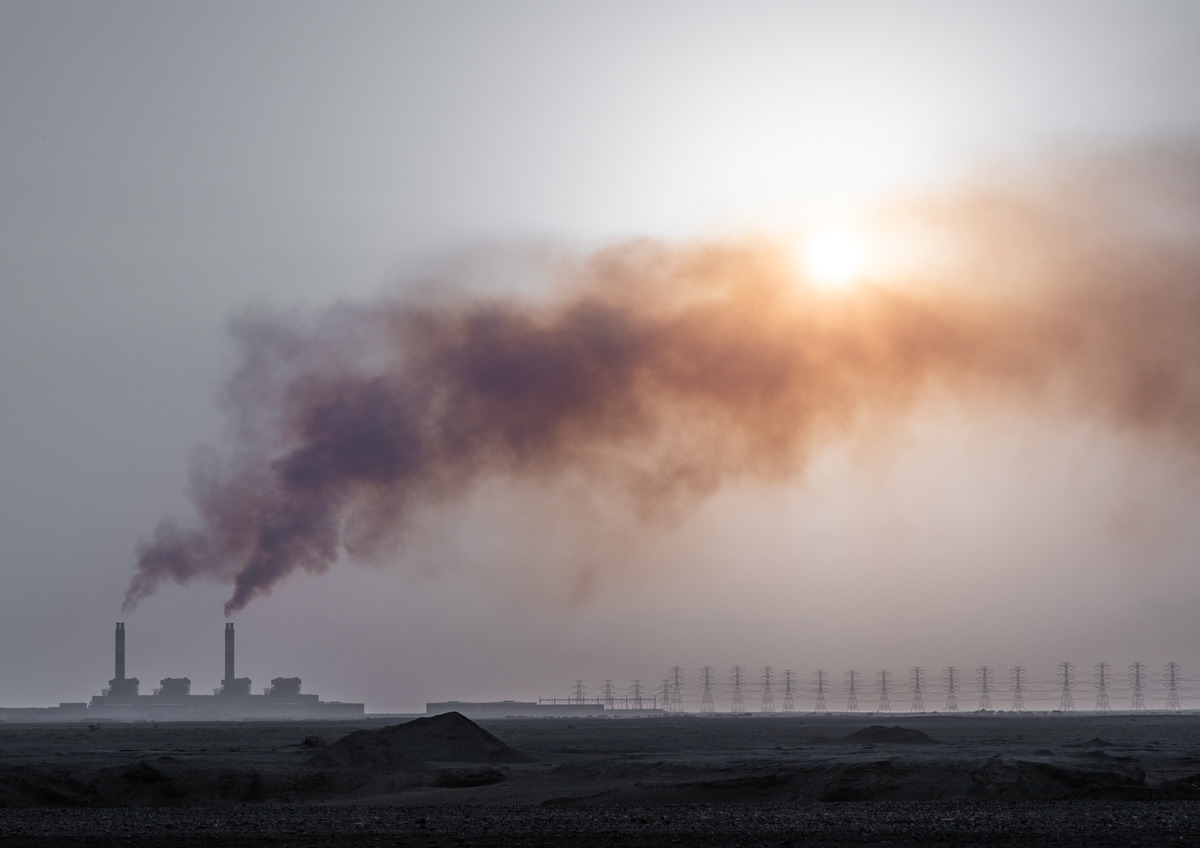
Over the weekend, Iran attacked desalination sites in Kuwait twice, according to authorities in this arid Gulf state. Simultaneously, Iran reported that one of its plants, providing drinking water to thousands, had been targeted. Kuwait’s electricity, water, and renewable energy ministry stated that the second Iranian attack on a desalination plant led to a fire affecting many electricity generation units. Officials noted that a joint desalination and power plant in Kuwait faced a ‘hostile attack,’ resulting in part of the site catching fire and necessitating the disconnection of several electricity units. The public was urged to reduce their electricity and water usage.
Iran’s military stated on Monday that it attacked an airbase and port in Bahrain and a Kuwaiti base housing U.S. special forces. Concurrently, Iranian media reported that the U.S. had attacked a desalination plant on Iran’s coast, cutting water for around 10,000 people.
Experts have consistently warned that desalination plants in the Gulf and the broader Middle East are highly susceptible to attacks or natural disasters.
Yossi Mekelberg, a senior consulting fellow at Chatham House in London, described these events as a significant escalation in the conflict. Mekelberg emphasized that attacks on desalination plants are likely to prompt a response, as both Iran and the U.S. accuse each other of targeting critical infrastructure, often deemed a war crime under international law unless justified by a military objective.
What Are Desalination Plants and Why Are They So Important In The Gulf?
Desalination plants remove salts and minerals from seawater to produce fresh water for drinking and other uses. This is crucial in Gulf states for personal consumption, agriculture, hotel operations, and medical facilities. The World Health Organization warns that loss of these facilities could lead to disease outbreaks and displacement.
The process, known as reverse osmosis, is vital in the Gulf, where tens of millions depend on desalinated water. Out of an estimated 5,000 plants in the Middle East, 56 provide the majority of the Gulf’s water. In Kuwait, about 90% of drinking water comes from desalination. Bahrain and Qatar, where 99% of the country’s drinking water is reliant on desalination, also depend heavily on these plants. Qatar has constructed large storage facilities to secure a few days’ supply if systems fail.
Meanwhile, countries like Saudi Arabia use desalination but also tap other water sources. Desalination is costly, energy-intensive, and a potential vulnerability in wartime or during natural disasters. Many plants are integrated with power plants, so damage to one part can affect the entire facility, impacting electricity supply too. The Atlantic Council highlighted the devastating impact if Iran were to eliminate the Gulf’s desalination capacities.
Plants Targeted in Iran
In March, Iran’s diplomat Abbas Araghchi accused the U.S. of striking a plant, halting water to 30 villages. The U.S. denied these actions on Qeshm Island in the Strait of Hormuz. Araghchi called the U.S. strike a dangerous action. Later reports from an Iranian lawmaker suggested damage to a desalination plant in Hormozgan, impacting pumping stations and seawater intake. Tehran’s energy ministry, however, confirmed all southern desalination plants were operational, with no islands experiencing shortages, according to state news agency IRNA.