
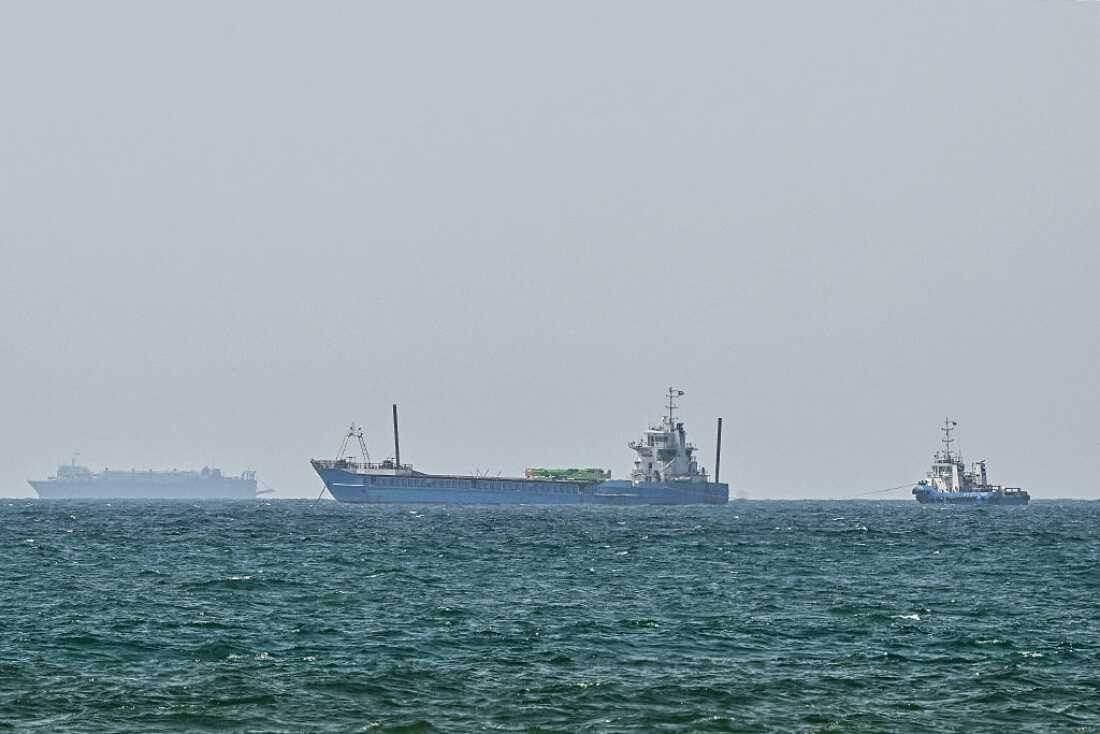
On May 21, 2026, vessels anchored off the coast of Sharjah in the UAE. In recent developments, President Trump and other U.S. officials have advised caution regarding the potential agreement with Iran to end the ongoing war. Iranian officials have indicated disagreements over critical aspects of the deal.
President Trump initially stated that the U.S. and Iran had made significant progress in negotiating a memorandum of understanding to reopen the Strait of Hormuz. However, he later emphasized on social media that the U.S. would not rush any agreement. Trump assured, “If I make a deal with Iran, it will be a good and proper one,” urging against listening to critics.
Speaking in New Delhi, U.S. Secretary of State Marco Rubio reiterated a commitment to giving diplomacy a chance before exploring alternatives. Iran has not officially commented yet. However, semi-official Iranian news outlets, often channels for leadership messaging, reported remaining disputes on some issues.
The Tasnim news agency accused the U.S. of “obstructionism” regarding the release of frozen Iranian funds in exchange for easing transit restrictions through the Strait of Hormuz. It noted the deal aimed for Iran to restore ship traffic to pre-war levels within 30 days and for the U.S. to end its blockade within the same period.
Additionally, ISNA, another state-backed agency, reported Iran’s insistence on administrating the strait along with Oman. Both countries share control of the waterway governed by U.N. maritime laws.
The war initiated on February 28 with a joint U.S.-Israel attack on Iran, leading to broader regional conflict, impacting allies like Saudi Arabia and the UAE. Iran’s retaliation included strikes on U.S. bases and energy infrastructure in those countries. A ceasefire was reached in April, though U.S. and Israeli attacks reportedly resulted in several thousand Iranian casualties.
Initially focused on regime change and Iran’s potential nuclear threat, discussions now center on reopening the Strait of Hormuz. The restricted access has sharply driven up global oil prices. Disruptions to container shipping have affected the availability and cost of numerous goods worldwide.
While Rubio, during his official visit to India, expressed optimism about a “pretty solid proposal” on the table, he emphasized the seriousness of talks to address nuclear concerns. Iran has resisted commitments on nuclear issues, viewing demands such as sending enriched uranium out of the country as challenges to sovereignty.
According to ISNA, a senior Iranian diplomat indicated that the U.S. pushed to send highly enriched uranium abroad. Iran insists its nuclear aims are peaceful but sees the uranium demand as a sovereignty issue.
Hossein Nooshabadi from Iran’s foreign ministry outlined demands including a halt to the multifront war, releasing frozen assets worth billions, lifting the U.S. blockade, reopening the Strait, withdrawing U.S. forces, and freedom to sell oil as components of the proposed agreement.
Esmaeil Baghaei, Iran’s foreign ministry spokesman, mentioned that talks on nuclear issues would follow any signed deal, lasting 60 days after an initial agreement on the Strait of Hormuz.
President Trump declared that the U.S. would maintain its blockade until reaching a certified and signed agreement. Iran’s parliament spokesman, Ebrahim Rezaei, stated in a social media post that Iran would not yield to threats. He hinted that negotiation was the path forward, criticizing what he called U.S. “bluffing” if gas prices continued rising.
Israel has expressed strong opposition to a deal stopping the war in Lebanon. Despite a U.S.-brokered ceasefire between Israel and Lebanon, Israeli strikes continue. Lebanese health authorities report over 3,200 fatalities, including civilians and first responders, since the conflict with Hezbollah began in March. Israel reports losing 22 soldiers, a military contractor, and two civilians in Hezbollah attacks.