
There has never been a successful use of a dirty bomb in a terror attack, but concerns have arisen due to alleged Iranian efforts to explore this option. Experts emphasize that the disruption from such an attack could extend far beyond the initial blast.
Understanding Dirty Bombs
A dirty bomb involves an explosive designed to disperse radioactive materials. Unlike the atomic bombs used in World War II, these bombs spread contamination without the same level of destruction.
Anything involving radiation sounds frightening, yet the difference between a dirty bomb and a nuclear weapon is distinct,said Jason Pack, a retired FBI supervisory special agent formerly serving as the Jackson Field Office’s weapons of mass destruction coordinator.
These bombs use conventional explosions to distribute radioactive dust or similar substances. The biggest threat at first is the blast itself. Following that, the contamination and subsequent fear can lead to significant disruption.
Potential Effects of a Dirty Bomb
The fear induced by a dirty bomb could force the closure of large city areas, displacing residents and businesses. Building such devices carries risks for the bomb makers, including exposure to the dangerous materials intended for use in attacks. Ensuring the dispersal of contaminants adds another layer of complexity.
Just because someone combines radioactive material with an explosive does not mean they will contaminate half a city,noted Pack,but even a small incident can evoke considerable fear, evacuations, and disruption. This is why we take these threats seriously.
Sources of Radioactive Material
The materials for a dirty bomb could be sourced without nuclear capabilities, notes Paul Mauro, a retired NYPD inspector and Fox News contributor. Medical waste, including byproducts from certain cancer treatments, offers one potential source.
It’s called dirty because it’s waste,Mauro explained. The immediate blast poses the greatest risk, but radioactive particles may quietly cause health issues when inhaled.
Police forces have tools to detect radiation, sensitive enough even to identify medical radiation from passing ambulances.
Concerns and Responses
Reports suggest Iran might have explored plans to target senior Trump administration officials in Washington using a radiological or chemical weapon. This development heightens concerns despite the absence of evidence pointing to an imminent threat.
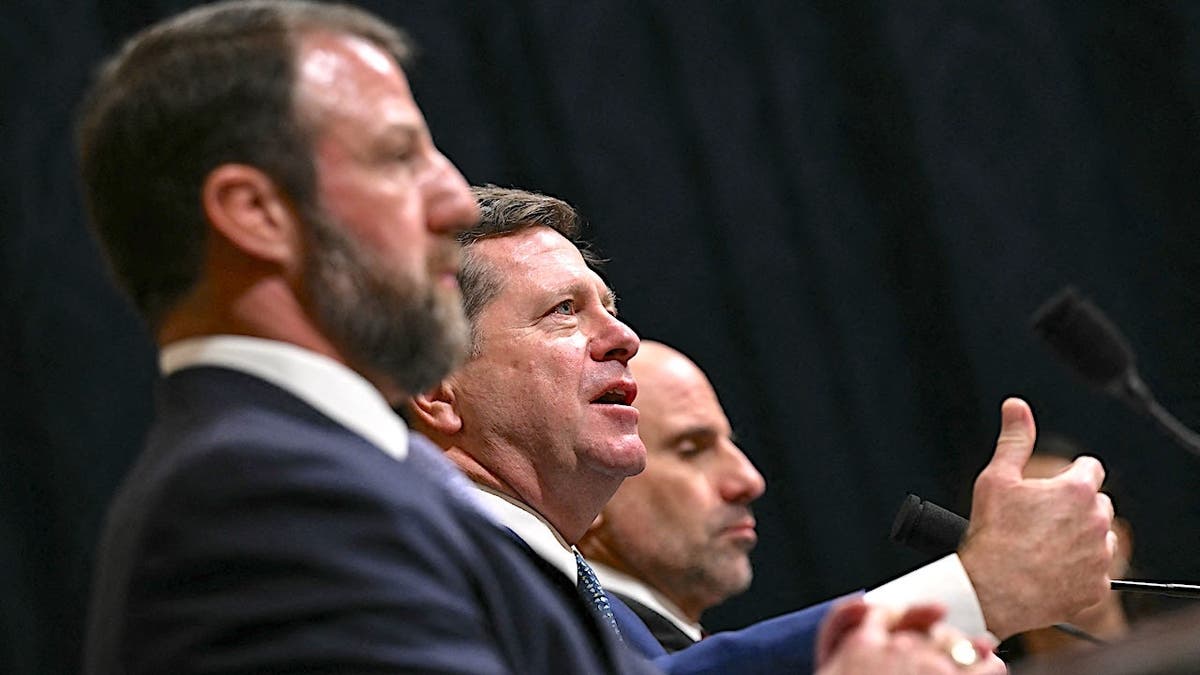
During a House Homeland Security Committee hearing, the threat was underscored once more. Witnesses included Secretary Markwayne Mullin, Director of National Intelligence Jay Clayton, and FBI Deputy Director Christopher Raia.
For years, the threat of a dirty bomb has loomed. The United States Government Accountability Office warned of potential attempts to smuggle nuclear or radiological materials into the country as early as post-September 11, 2001.
The best response to a dirty bomb is preventing it from ever reaching our streets,stated Pack.
Response Steps
Radiation is neither tasted nor smelled. If caught in a suspected dirty bomb attack:
- Cover your mouth and nose.
- If indoors, stay there; if outdoors, seek shelter.
- Remove and bag your clothing, then shower thoroughly, especially your hair.
- Close doors and windows and switch off fans drawing in outside air.
Stay informed through TV, radio, or social media. Authorities will provide updates on when it is safe to leave.
Paul Mauro reassured that the dispersed materials could be cleaned up, albeit at a high cost of time and resources.