
The Strait of Hormuz remains a focal point for global oil transport. Yet, beneath the surface, an energy crisis might unfold long after any political settlements. Art Berman, a petroleum geologist, warns that millions of barrels from the Persian Gulf are currently shut in. Restoring these wells goes beyond opening the strategic waterway.
“This is potentially a kind of a world-changing event,” Berman stated. He emphasized the significance of the 8 million barrels of Persian Gulf production shut-in, affecting global oil output.
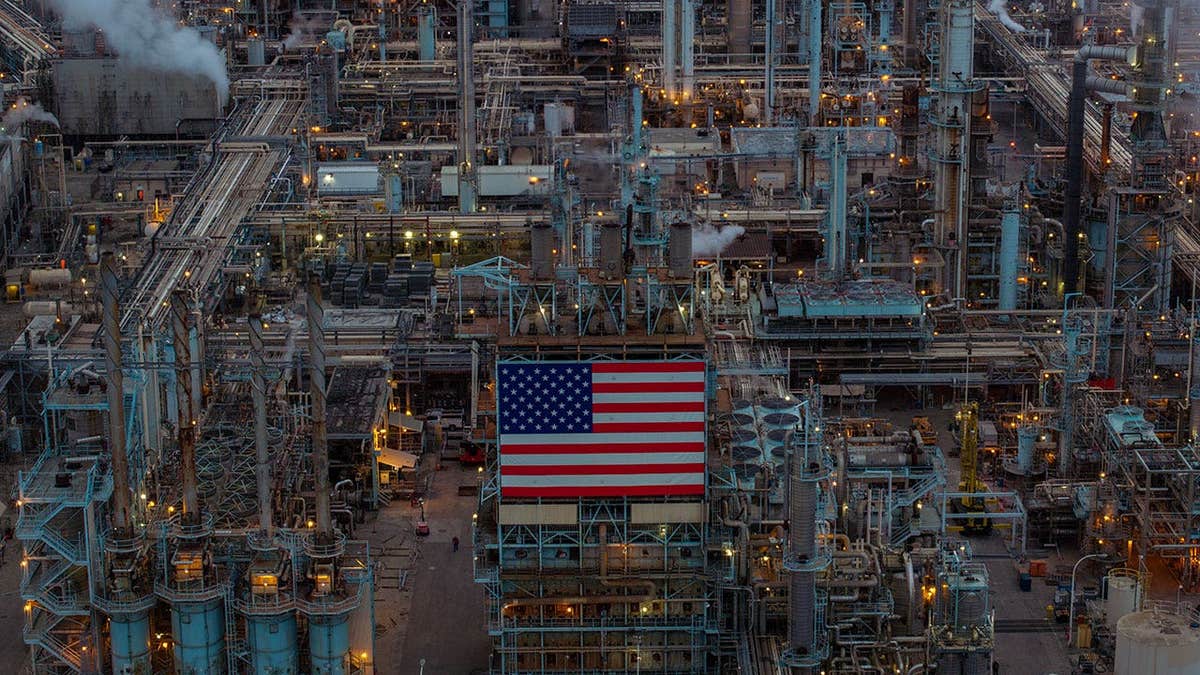
In the midst of conflicts, oil production disruptions have surged, notably affecting the Marathon Petroleum Corp refinery in Los Angeles as gas prices increase due to global supply issues. Berman believes the primary challenge isn’t merely moving tankers through Hormuz, but rather the production capacity affected upstream.
The International Energy Agency reported Gulf oil production increased by 2.5 million barrels per day in July but remained 8.3 million barrels below pre-war levels. Meanwhile, the U.S. Energy Information Administration (EIA) presents different data, estimating shut-in production at 5.5 million barrels per day in July. They anticipate trade conditions returning to normal by early 2027, although not all Gulf producers may recover their previous outputs.
Berman insists restarting well production involves complex engineering beyond simple activation. Extended well shutdowns require restoring communication between surface equipment and reservoirs, posing risks and uncertainties. About 80% of wells might regain near-previous production levels, but some may produce less than before.
Energy analysts, like those at Wood Mackenzie, forecast Gulf production recovery to about 70% within three months and 90% within six months under controlled restarts. However, the remaining production may see significant delays.
Beyond the physical challenges, shipowners and crews need assurance of safe navigation post-agreements, while logistical issues might persist. Berman views the conflict as a fundamental shock to global energy markets and economic systems, with enduring repercussions.
The United States, though a leading oil producer, faces vulnerabilities due to its dependency on varied crude grades. The EIA reports Hormuz disruptions prompting buyers to seek alternative sources, lifting U.S. refinery margins, production, and exports.
While the U.S. government highlights record production strengthening energy independence, Berman underscores the persistent challenges and uncertainties surrounding oil recovery efforts.
Through these turbulent developments, the global energy landscape might evolve, differing sharply from pre-conflict times.