
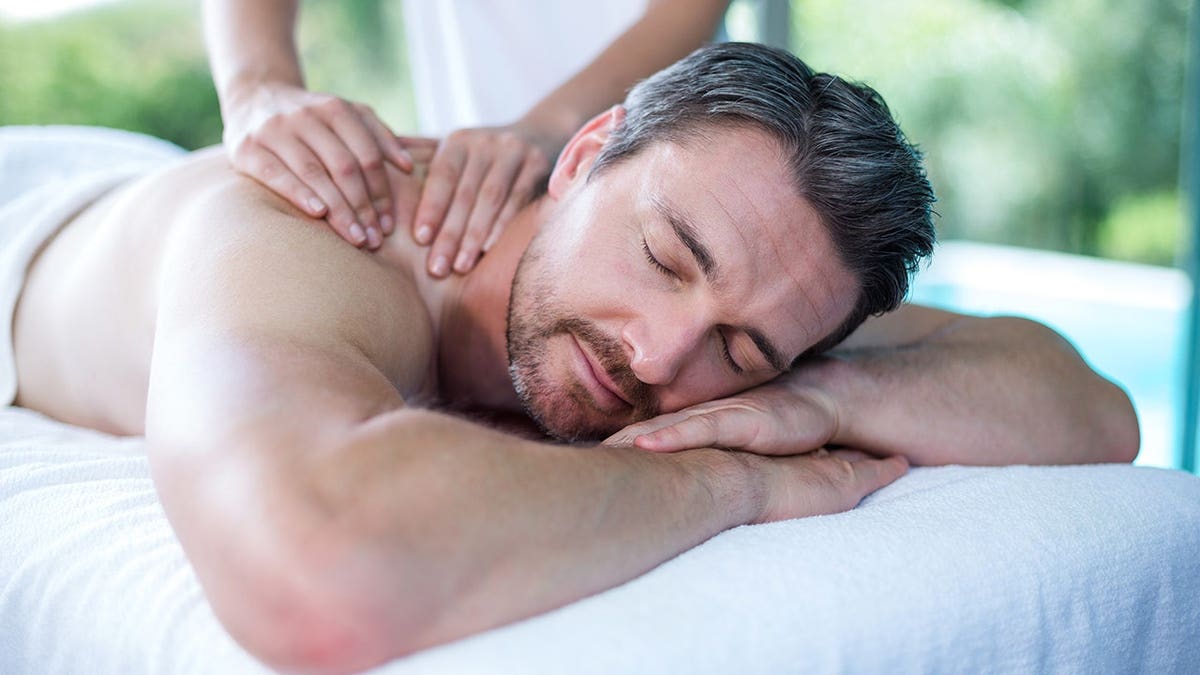
Ainsley Earhardt, alongside Nancy Vega from The Shape of You Spa in Summit, New Jersey, and internist Dr. Michael Aziz, examines the rising trends of lymphatic drainage and ice sculpting. These wellness treatments are gaining popularity for their benefits in detoxification, reducing fluid retention, and aiding in fat reduction by triggering thermogenesis.
Understanding Lymphatic and Ice Therapies
Both treatments are seen as a move towards proactive health care. The lymphatic system, crucial for bodily detox, receives attention through these therapies. Despite their benefits, they can lead to unexpected symptoms post-treatment.
“Massage flu” is a term often used to describe these symptoms, which include aches, fatigue, and headaches, though it’s not a recognized medical condition.
Physical therapist W. Zach Smith from Seattle comments on this phenomenon, noting the symptoms relate to fatigue and soreness, rather than an illness. “Massage flu” has become a prevalent term on social media, especially when discussing post-massage reactions.
Expert Insights on Post-Massage Symptoms
Smith explains that soreness can occur after intense pressure is applied to muscles during massages, leading to mild bruising or an inflammatory response. Chiropractor Drew Voelsch in Illinois corroborates, suggesting these symptoms may last 24 to 48 hours and are labeled by social media users.
Both experts refute claims of toxins being released during massages, a myth propagated online. The body’s liver and kidneys primarily manage waste removal, rendering the toxin argument baseless.
Alleviating Massage Discomfort
To minimize discomfort post-massage, Smith suggests opting for less pressure or shorter sessions initially. Gradually, one can transition to more intense or longer massages. Voelsch advises hydration, eating lightly beforehand, and maintaining gentle movement afterwards.
While temporary soreness after a massage is common, persistent or new pain should prompt a doctor’s visit. Smith highlights the importance of consulting a healthcare provider if unfamiliar symptoms occur.
Voelsch adds that if symptoms persist over 72 hours or include severe pain, numbness, unusual swelling or bruising, or faintness, medical advice is recommended.
Kelly McGreal, a production assistant with the lifestyle team at Fox News Digital, contributes to this discussion on emerging wellness treatments.