
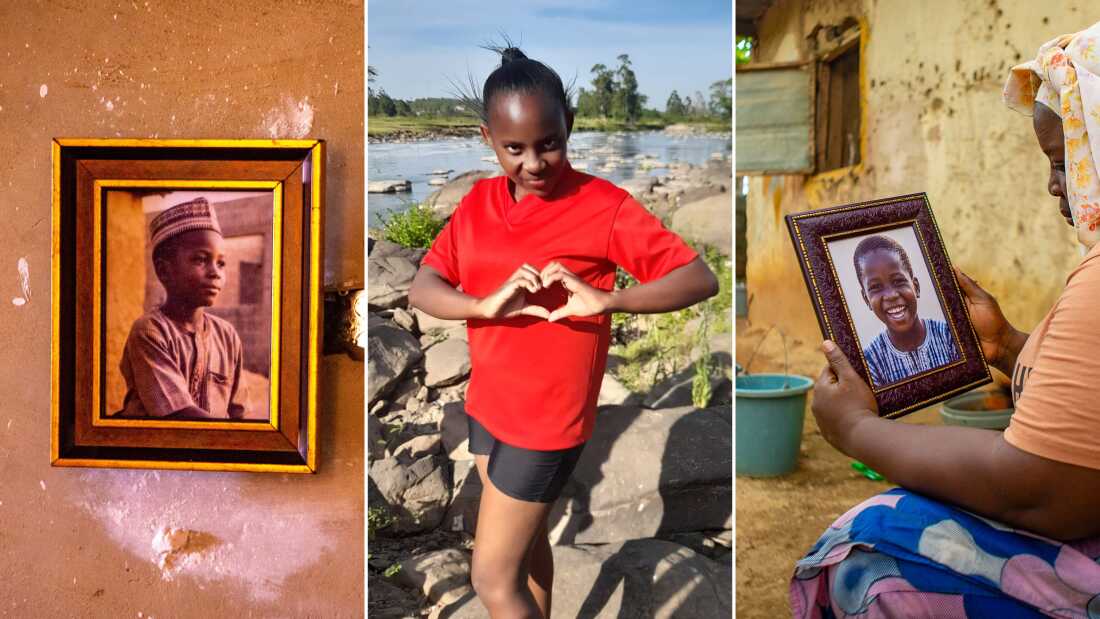
Three children’s deaths in Africa have been linked to the cessation of funding from the U.S. Agency for International Development. According to their parents, the end of medical services funded by USAID contributed to these tragedies. Abdullahi Ibrahim, a 10-year-old from Nigeria, passed away following a severe asthma attack. Purity Wamboi, a 16-year-old from Kenya, was lost to complications from tuberculosis. Ibrahim Garba, also from Nigeria at age 8, succumbed to typhoid fever.
Abdullahi Ibrahim had been dealing with asthma since age 5. His father, Ibrahim Musa, described the frequent, frightening episodes where Abdullahi struggled for breath. Visits to the hospital and medications were crucial. Nurse Esther Agbo confirmed that USAID’s support made these treatments accessible to families like theirs in Sabon Gari, Nigeria. Tragically, USAID funding ended, and the cost of necessary medications soared beyond the family’s means. Abdullahi died from a final asthma attack, leaving his father convinced that continued USAID support might have saved his son.
“If there was still help coming from USAID,” says Musa, “I’m very sure my child would still be alive today.”
In Nairobi, Kenya, Purity Wamboi was on holiday when her health began to decline. Her mother, Rachael Wanjiru, noticed severe symptoms but was hesitant to seek treatment due to financial constraints. Community health promoter Tabitha Mugweru identified the real issue as tuberculosis, but diagnosis came too late. Mugweru mentioned that USAID funding previously supported teams of health workers who could catch illnesses early. The lack of funds meant delayed diagnosis and treatment for Purity, resulting in her passing before she could receive timely care.
Ibrahim Garba in central Nigeria showed symptoms of typhoid fever, likely from contaminated water. Initially, free antibiotics from a clinic, thanks to USAID, helped Ibrahim. However, failure to complete the treatment allowed the illness to return. His father, Yakubu Garba, faced a heartbreaking choice when USAID funds were no longer available to cover further treatment. Attempts with herbal remedies were futile, leading to Ibrahim’s death.
The U.S. State Department responded to inquiries about these cases by pointing to new bilateral health agreements with Kenya and Nigeria. These memorandums of understanding aim to provide sustainable assistance, yet reflect a decrease in funding compared to previous USAID support. Health economist Brooke Nichols notes that abrupt funding cuts broke trust and disrupted life-saving services.
The Kenyan and Nigerian families now live with the loss. Abdullahi’s family cherishes memories of his kindness. Ibrahim’s father feels the void left by his son as overwhelming. Purity’s mother struggles with the pain of losing her daughter and the dreams for a new life elsewhere to escape the grief.
Mugweru, reflecting on the broader impact, expressed that continued USAID support might have spared Purity’s life, highlighting a painful reminder of the interruption these families faced.