
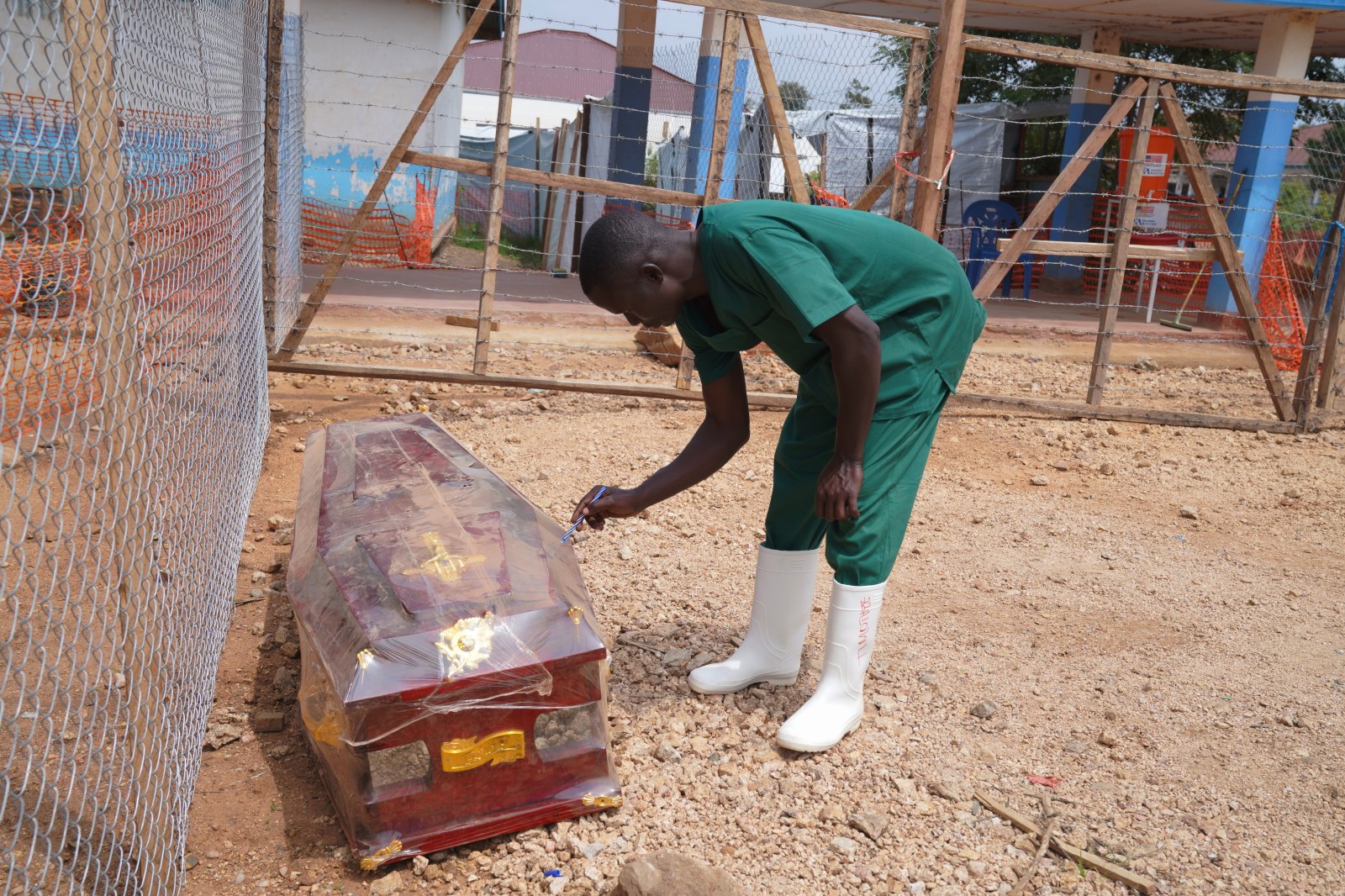
The Democratic Republic of Congo is grappling with a severe Ebola outbreak that has claimed over 2,000 lives. This surge is the second-largest recorded, according to international health experts. The Bundibugyo strain of the virus is responsible for this widespread epidemic, affecting multiple Congolese provinces and extending into Uganda. An international response has been triggered due to the alarming speed of the outbreak.
Ebola’s Rapid Spread
The U.S. Centers for Disease Control and Prevention (CDC) reported that the epidemic reached 1,000 confirmed cases within 40 days of the response initiation. This rate is significantly faster compared to Congo’s 2018 Ebola outbreak, which hit 1,000 cases in 235 days.
The outbreak is occurring in a complex region challenged by humanitarian issues, population displacement, and high cross-border movement. These factors make virus containment efforts difficult. The World Health Organization (WHO) emphasized the challenges, noting the need for enhanced surveillance, contact tracing, and preparedness in Congo and Uganda.
Challenges for Aid Workers
American aid workers, missionaries, doctors, and humanitarian workers face increased exposure risks. The CDC reported a U.S. citizen tested positive for Ebola in Congo in July, leading to their medical evacuation to Germany. The Bundibugyo species of Ebola lacks an approved vaccine or specific treatment, making containment crucial despite supportive care options.
The CDC describes this current outbreak as spreading substantially faster than past events. They noted a rapid rise in reported deaths during the summer months.
Latest Figures
Congo has reported 4,449 confirmed Ebola cases and 2,061 deaths as of August 10, according to the European Centre for Disease Prevention and Control (ECDC).
The outbreak has led to 716 hospitalizations in isolation, affecting 53 health zones across five provinces: Ituri, North Kivu, South Kivu, Haut-Uele, and Tshopo. Uganda also saw linked cases but declared its outbreak over by July 28 after detecting no new infections. This makes the current epidemic one of the most severe since the 2014-2016 West African Ebola crisis.
Potential Spread to the U.S.
The CDC states there are no confirmed cases related to this outbreak in the U.S. The risk of spread is deemed very low. Even in the event of an infected individual arriving in the U.S., the subsequent spread remains unlikely thanks to robust public health systems, infection control, and contact-tracing capabilities.
Ebola does not spread via air, unlike influenza or COVID-19. It transmits through direct contact with infected bodily fluids or materials. Therefore, with prompt identification and monitoring, outbreaks become manageable.
Countries have reported isolated imported cases linked to travel from affected areas. Europe has handled some cases requiring medical evacuation and specialized care.
Response Measures
The CDC has activated response efforts, collaborating with international partners on surveillance, lab testing, infection prevention, and contact tracing. The U.S. government has pledged significant funding to support outbreak response and preparedness in Central and East Africa.
For now, health officials urge awareness rather than panic. The CDC assesses the risk to Americans and travelers as low, continuing efforts to curb the virus’s spread in Africa.