
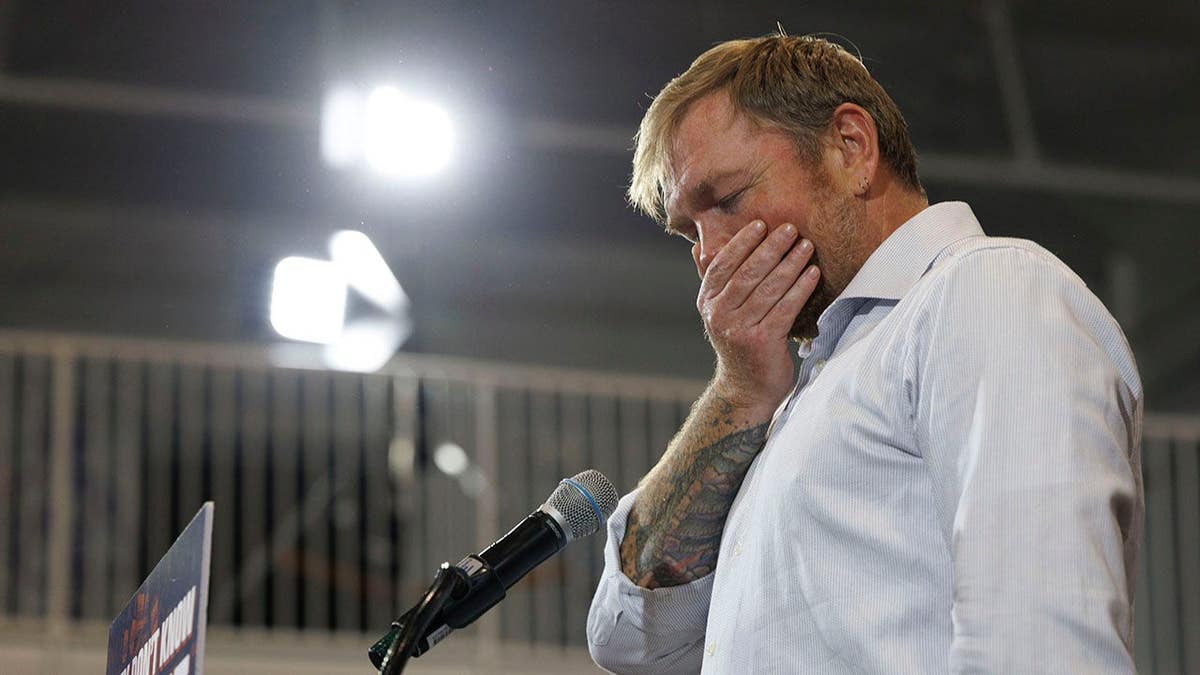
Graham Platner announced on Wednesday that he is withdrawing from the Maine Senate race. This decision came after serious accusations from an ex-girlfriend emerged, alleging rape, which Platner denies. These developments led to calls from Democrats for Platner’s immediate withdrawal from the race.
Platner, who received support from progressive leaders such as Sen. Bernie Sanders, was aiming to challenge Republican Sen. Susan Collins in a pivotal Maine race. This race is significant as it could impact the GOP’s control of the Senate in the upcoming election.
Platner conveyed his decision in a video statement, saying, “For the movement to continue, it can’t be me. For that reason, we are suspending campaign operations.” This suspension comes five days before a critical deadline that would have hindered Democrats from nominating a new candidate for the general election ballot.
Prior to this decision, Platner had achieved a sweeping victory in the Democratic Senate primary held in June. However, allegations of rape from a former partner surfaced, which Platner adamantly refutes. He described these claims as false and damaging, stating, “This is all false. The things that have been claimed did not happen. It is not real.” Platner accused the political elite of seizing these allegations to undermine his campaign.
Jenny Racicot, a Maine resident, made the allegations against Platner, describing an incident where she felt coerced into sex. Racicot shared her story with CNN and Politico, asserting, “I thought, here’s a man who was drunk and who, by dictionary definition, raped me.” Despite these allegations, Platner maintains that they are untrue.
Additionally, another allegation from Lyndsey Fifield claims that Platner removed condoms during sex against her explicit instructions. Fifield also referenced previous physical misconduct during their relationship. Platner’s campaign labeled these allegations as “categorically false and politically motivated,” highlighting Fifield’s affiliations with a conservative organization.
Platner’s campaign faced challenges, not only due to the sexual misconduct allegations but also from inflammatory past comments and a tattoo resembling a Nazi symbol. These controversies overshadowed his campaign’s success and raised questions about his suitability as a candidate.
The controversy has led to several Democrats withdrawing their support for Platner. High-profile figures like Rep. Ro Khanna and Sen. Ruben Gallego have rescinded their endorsements, while organizations formerly backing Platner have withdrawn their support.
Despite Platner’s campaign targeting the challenges faced by veterans and endorsing a populist approach, the mounting controversies have led Democrats to reconsider their stance. Platner’s exit before Monday’s deadline allows the Maine Democratic Party to nominate a new candidate by July 27.
Sen. Collins, Platner’s opponent, responded to the allegations, emphasizing that the choice of a Democratic nominee is not her responsibility. The allegations have triggered a withdrawal of financial support from major Democratic committees in Platner’s campaign.
The situation is developing rapidly, with Maine Democrats preparing to nominate a replacement candidate. Meanwhile, the controversy and allegations surrounding Platner’s campaign continue to influence the political landscape in the state.