
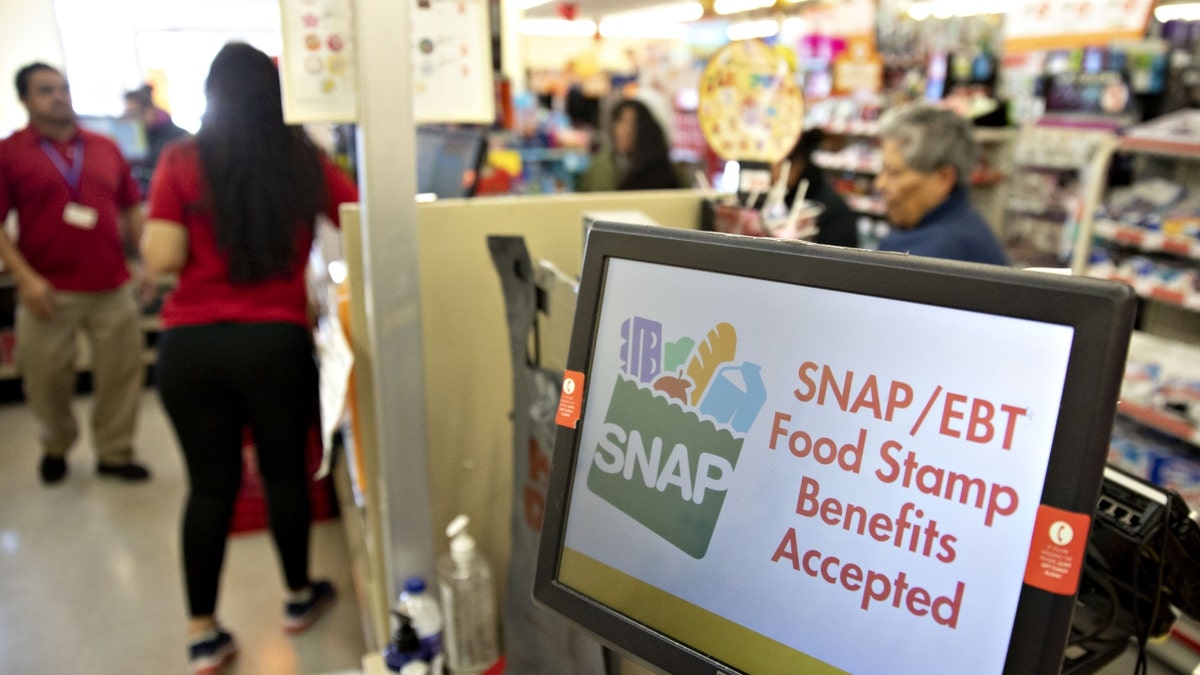
A top Agriculture Department official informed Congress about significant fraud in the Supplemental Nutrition Assistance Program (SNAP). Individuals connected to terrorist groups, foreign adversaries, and criminal organizations have exploited food stamps fraudulently. This news reflects ongoing efforts by the Trump administration and House Republicans to address these financial crimes.
Concerns Over SNAP Fraud
John Walk, USDA Inspector General, emphasized that fraud in SNAP squanders taxpayer resources and deprives qualifying low-income Americans. During a House Oversight Subcommittee hearing, he shared how fraudulent activities weaken the program’s ability to support those in need.
“SNAP fraud is a reprehensible crime that squanders the compassion of American taxpayers who fund the program and robs from those low-income Americans who qualify for SNAP benefits to feed themselves and their families,” stated Walk.
Republicans believe increasing access to state eligibility data might uncover billions in improper payments. Democrats, however, caution this could justify reducing food assistance for those who truly need it.
Fraud Schemes and Impact
Walk detailed sophisticated schemes targeting the $100 billion federal food assistance program. Criminals exploit SNAP through methods like EBT card skimming, trafficking, and identity fraud, depriving legitimate recipients of their benefits.
A New York father of five shared his story with Walk, reporting that criminals stole his SNAP benefits through EBT card skimming. These stories highlight the personal impact of fraud.
In one investigation, SNAP benefits were allegedly traded for cash and drugs. Walk mentioned gang members used fraudulent proceeds to purchase firearms.
Efforts to Combat Fraud
House Republicans, led by Rep. Tim Burchett, focus on oversight and data sharing gaps within SNAP. Examples provided include benefits sent to deceased individuals and those with fraudulent identification. Burchett criticized states not complying with USDA data requests, pointing out they hinder identifying further fraud.
Walk claimed investigators struggle due to limited access to state data, making fraud detection challenging. He stressed the need to strengthen initial protections against fraud.
While Republicans emphasized fraud prevention, Democrats urged a careful distinction between administrative errors and intentional fraud. Gina Plata-Nino from the Food Research and Action Center reaffirmed SNAP’s essential role in supporting vulnerable populations, stressing the need to balance program integrity and food access.
The hearing aligns with the Trump administration’s broader efforts to eliminate fraud across federal programs, with calls for more state cooperation to uncover additional SNAP misuse.