
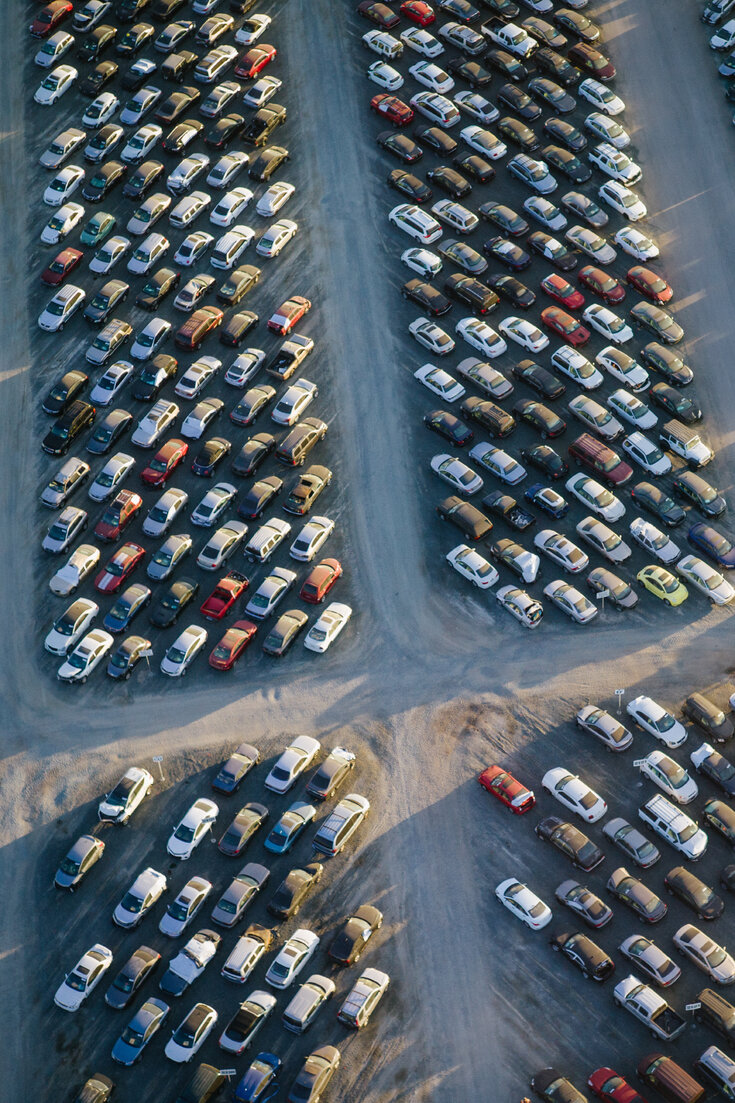
Central American drivers journey to the United States, not to relocate but to acquire used cars. They operate a transnational system, transporting vehicles from U.S. scrapyards back to their nations, sparking local economic growth.
Julio César Pisquiy Nimatuj, at age 12, first experienced the thrill of driving on a highway. Now at 44, he works as a car transporter. His business model involves pre-purchasing vehicles at U.S. auctions and then shipping them to Otay Mesa, near San Diego, for the drive back to Guatemala where he resells them.
Planning for the Journey
Before departing for the U.S., Mr. Pisquiy meticulously plans his trip. A first-class plane ticket allows him 73 pounds of baggage, which he uses to carry essential tools like wrenches and a tow bar. Any remaining space is used for general cargo.
The reality of each car often differs from online descriptions. Mr. Pisquiy undertakes repairs himself, ensuring the vehicles can survive the 2,000-mile trek. Annually, he completes 10 to 15 trips, earning roughly $2,000 each time. A single trip can span up to 20 days.
Additional Income and Challenges
Mr. Pisquiy also delivers gifts and supplies coordinated through WhatsApp, identifying as a ‘transmigrant’. He comments, “I also own a body shop and optometrist clinics, but if I can’t travel, I’m in trouble. Among my jobs, transmigration is the most profitable.”
To these transmigrants, U.S. junkyard vehicles represent financial opportunity. They hold transit visas, allowing movement across North America without residency. This trade offers a significant alternative to traditional migration paths for Central Americans. The World Bank cites Guatemala’s poverty rate at 55 percent, with a large informal economy, making such opportunities rare.
“On my first U.S. trip, mentors advised me to drive back a school bus. I cried on the freeway,” he recalls, 15 years after the event.
The Risks and Economics
Imported cars are less expensive in Central America but may lack U.S. safety standards. Mexico permits transmigrants limited road access, with a nine-day deadline to reach Guatemala. The journey isn’t without risk. Drivers face assaults and robbery, incorporating cartel bribes into their budget.
“We never really know who is assaulting us,” Mr. Pisquiy notes. “What I know is they take 2,000 pesos out of my pocket.”
Every vehicle passes through several workers, from mechanics to sellers. Each trip costs around $2,000, covering airfare, spare parts, food, taxes, transit permits in Mexico, and extortion fees. Mr. Pisquiy maintains his vehicle to avoid costly breakdowns. While he’s been fortunate, others face hazardous routes.
Transmigrants foster a support network to mitigate the journey’s isolation and perils. “I have my favorite places, hotels, and restaurants,” he says. “I handle everything myself and drive roughly 14 hours daily, needing good rest and food.”
Personal and Family Impact
Securing legal U.S. entry took Mr. Pisquiy two years, requiring documentation to prove he wouldn’t remain. His wife, Any, awaits his return with their children, with one request: that he stays safe.
With more experience, Mr. Pisquiy exercises increased caution in travel planning. “I have more experience, and that makes me more cautious, even with my schedule,” he shares.