
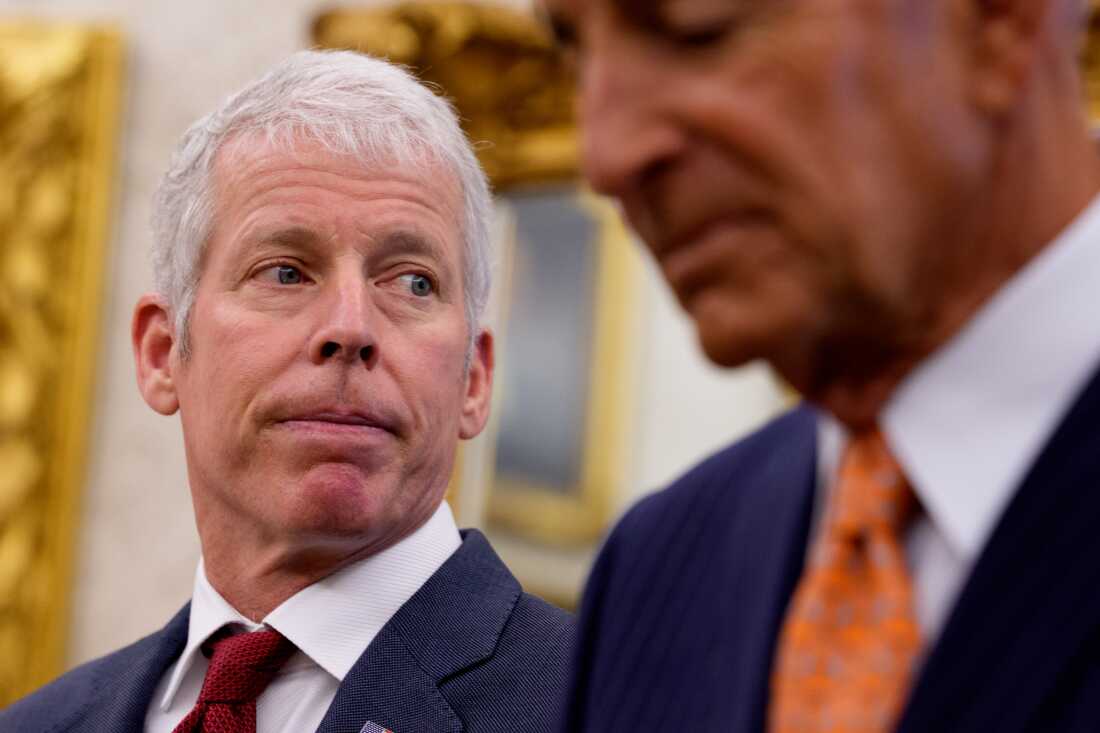
The Trump administration has signed an agreement facilitating nuclear cooperation with Saudi Arabia. This agreement enables American companies to manage commercial nuclear power plants on Saudi territory. Energy Secretary Chris Wright and Saudi Arabia’s Energy Minister, Prince Abdulaziz bin Salman, finalized the agreement, as announced by the Department of Energy.
An additional safeguards agreement accompanies the main contract. The deal is subject to a 90-day review period by Congress. This cooperation agreement provides American companies with priority access to Saudi Arabia’s nuclear energy program. It allows them to supply reactors and nuclear fuel, potentially resulting in a deal valued at billions of dollars over several decades. The Energy Department affirmed these prospects.
Chris Wright emphasized the shared commitment of both nations to strengthen commercial relations. He assured that the agreements uphold high standards of nuclear safety without compromising nonproliferation principles. The agreements rely on leading nuclear technology and scientific expertise from the United States.
“These agreements reflect our two nations’ shared commitment to strengthening U.S.-Saudi commercial relations, delivering prosperity at home and security to our allies abroad,” Wright stated. “Rest assured, these agreements uphold the highest standards of nuclear safety and nonproliferation, while relying on the world’s best nuclear technology and scientists, designed right here in the United States.”
However, critics note that the agreement lacks the “gold standard” provisions. These provisions would prevent Saudi Arabia from enriching uranium and reprocessing nuclear fuel, actions that could lead to the development of nuclear weapons. Without this standard, there are fears about enabling a pathway to weaponization. Saudi Crown Prince Mohammed bin Salman has previously indicated that if Iran develops a nuclear weapon, Saudi Arabia will follow suit.
U.S. Representative Brad Sherman expressed his concerns on social media, insisting Congress should only approve the deal if it includes gold-standard safeguards similar to those in the U.S.-UAE agreement. He warned against facilitating proliferation in the Middle East.
“Congress should approve only if the deal has the same gold-standard safeguards as our deal with the UAE,” Rep. Brad Sherman, D-Ca., posted. “A President waging war to prevent nuclear proliferation in the Middle East should not facilitate proliferation just because U.S. companies stand to make a profit.”
The memo from the administration affirms nonproliferation commitments and clarifies that the agreement is dedicated to peaceful energy cooperation. It includes terms under the Atomic Energy Act but does not obligate fuel cycle technology transfer to Saudi Arabia.
Matthew Bunn from Harvard’s Kennedy School of Government raised concerns about the impact on negotiations with Iran. He suggested that Iran might resist accords involving thorough inspections if Saudi Arabia avoids comparable commitments.