
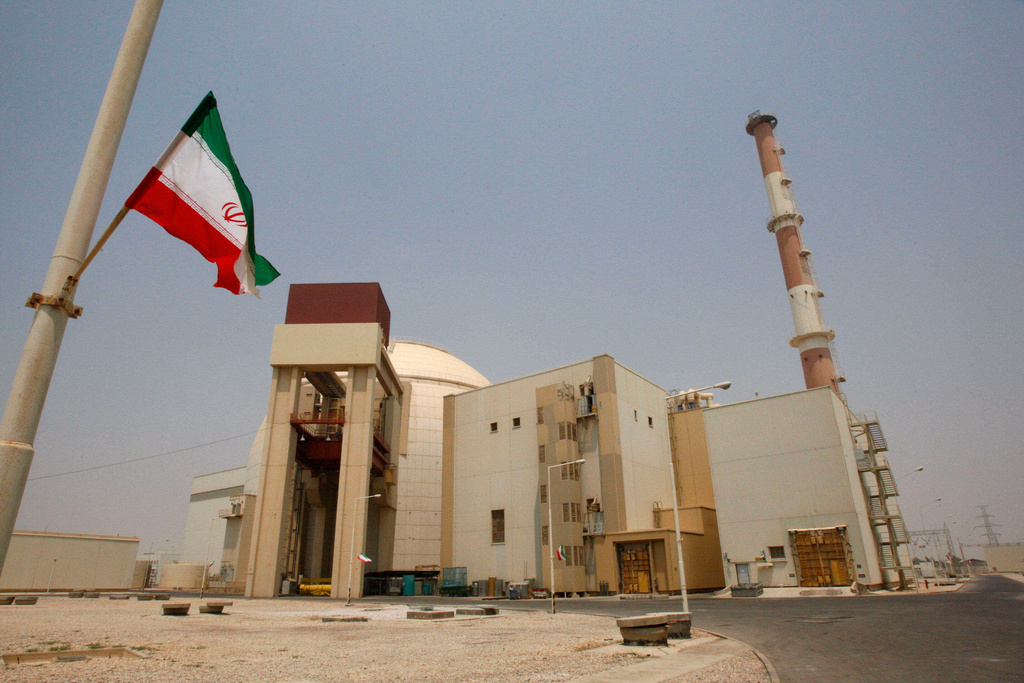
The Iranian Bushehr nuclear power plant, operating for over 15 years, presents a significant concern due to the plutonium stored there. While discussions often highlight Iran’s potential uranium bombs, the plutonium at Bushehr could produce over 200 bombs. This situation requires urgent attention.
The central issue revolves around the spent fuel from the Bushehr reactor. Plutonium accumulates within this spent fuel during standard nuclear plant operations. Despite earlier promises from Russia to remove this spent fuel once it cooled, Iran declined the offer. Currently, over 210 tons of this spent fuel, containing more than 2 tons of plutonium, remains on-site.
Addressing this threat is complex. Bombing the site risks radioactive fallout across a vast area. Furthermore, recovering the plutonium with special forces poses challenges due to the highly radioactive nature of the fuel. Ignoring the issue, however, is not an option. Experts suggest that nations with intermediate technological capabilities could create potent weapons even from reactor-grade plutonium.
Reprocessing is the process needed to extract plutonium from spent fuel, which involves removing and chemically processing fuel rods. Iran has demonstrated a capability to do this on a small scale, suggesting the possibility of creating a clandestine reprocessing facility. A similar situation occurred with North Korea, which proceeded unnoticed for an extended period.
Effective monitoring is crucial. The International Atomic Energy Agency (IAEA) needs near-continuous oversight to ensure that fuel rods are not diverted for reprocessing. In 2026, IAEA visits to Bushehr were limited to a brief, three-day inspection. With such limited monitoring, Iran could potentially process enough plutonium for multiple weapons.
To counter this risk, real-time surveillance by IAEA cameras and sensors is necessary. Over 1,000 global nuclear facilities already utilize this inspection method. However, previous administrations failed to enforce such inspections with Iran. The Obama-era nuclear deal did not include this requirement, and Iran later refused the IAEA’s request for real-time monitoring.
Future agreements must demand immediate compliance from Iran as a demonstration of sincerity. Additionally, once the spent fuel cools sufficiently, it should be removed from Bushehr. The U.S. and Gulf States must financially support this effort to facilitate fuel removal. Russia has previously offered to take the fuel, and Kazakhstan might also be an option.
Success hinges on international cooperation and insistence upon these measures. Surrounding nations will keenly observe what the U.S. negotiates with Iran, as it sets a standard for possible nuclear pathways for other states.
R. Scott Kemp, MIT Professor, and Stephen Rademaker, former Assistant Secretary of State, stress the importance of these steps for international security and nonproliferation.