
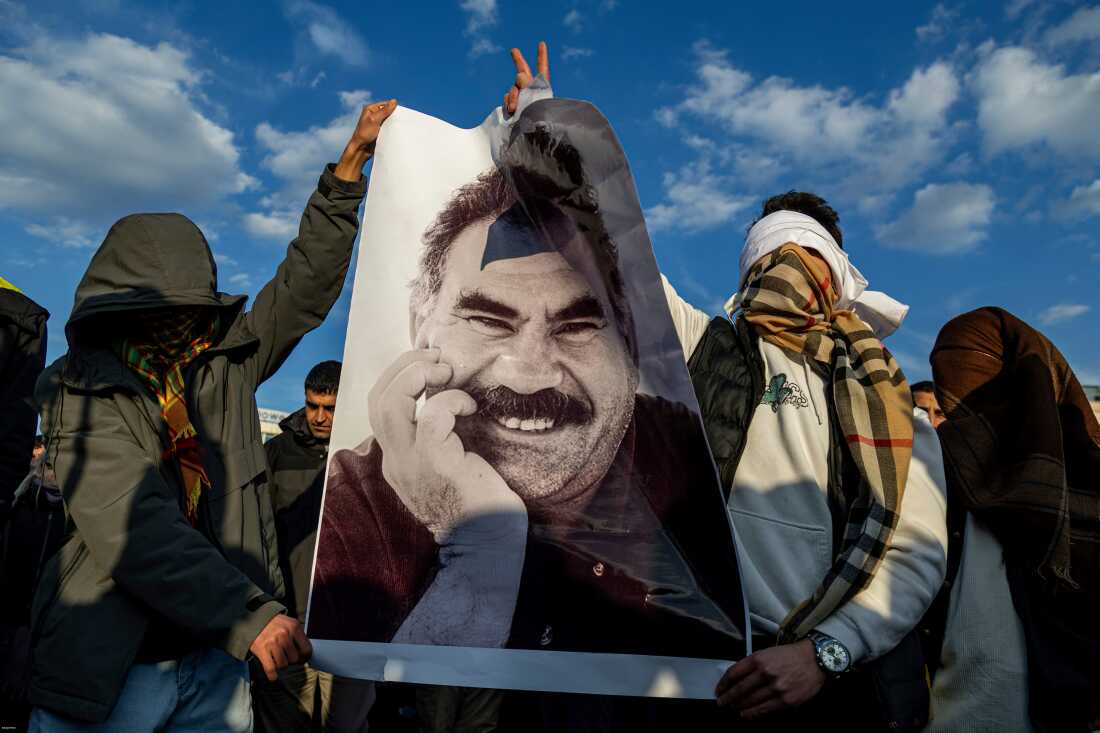
ANKARA, Turkey — Turkey’s parliament has passed legislation aimed at promoting peace with Kurdish militants. This initiative introduces a conditional pardon for thousands of members of the Kurdistan Workers’ Party (PKK).
On Monday, legislators approved the measure by a vote of 468-88. It will become effective once Turkish authorities confirm that the PKK has completely disarmed.
The PKK announced last year its decision to end its armed campaign against Turkey. This move followed a call from Abdullah Ocalan, the group’s jailed leader. The PKK held a symbolic disarmament ceremony in northern Iraq, where it is based, and committed to withdrawing fighters from key Turkish locations.
Potential Regional Impact
The legislation aims to end a conflict that has resulted in tens of thousands of fatalities. It may also strengthen ties between Turkey and Iraq, as well as support the Syrian government’s efforts in territories previously controlled by the Kurdish-led Syrian Democratic Forces, affiliated with the PKK.
This initiative presents Turkish President Recep Tayyip Erdogan with an opportunity to garner support from the pro-Kurdish DEM party. This could permit him a chance to extend his presidency despite the current two-term limit. Erdogan might run again if parliament calls for an early election during his present term.
Legislation Details
The 12-article legislation outlines procedures for the PKK’s disarmament and rehabilitation of its members. It suspends certain convictions and delays ongoing investigations for five or ten years, based on the severity of offenses. Convictions will be dropped if no terror-related crime occurs within the designated period.
Exemptions include militants involved in intentional killings and those sentenced to life before 2005, such as Ocalan and other senior PKK figures. Ministerial and parliamentary committees will oversee the disarmament process. Measures will take effect only after Turkey’s National Security Council confirms the group’s dissolution and surrender of weapons.
Eligible individuals must apply within six months after the council’s decision is published officially. Media sources suggest that PKK members in exile and those in Iraq and Syria may benefit.
Parliament Speaker Numan Kurtulmus stated, “With the armed organization laying down its arms and dissolving itself, we will build a new era in which peace, brotherhood, and solidarity will prevail.”
PKK Response and Criticism
The PKK-affiliated ANF news outlet described the legislation as a “beginning” but highlighted significant deficiencies. The PKK demands Ocalan’s release, claiming peace will progress only if he “lives and works freely.”
The group also criticized the legislation for overlooked democratic reforms and Kurdish rights. They asserted that fighters would not disarm if they remain restricted from democratic political engagement due to their beliefs.
Gulistan Kilic Kocyigit, from the pro-Kurdish Peoples’ Equality and Democracy Party (DEM), emphasized the need to address the proposal’s shortcomings regarding Kurdish rights and democratic reforms.
Musavat Dervisoglu, leader of the nationalist Good Party opposing the bill, argued it “would pave the way” for Erdogan’s prolonged presidency.
Ocalan’s Status
Although DEM has advocated for Ocalan’s release to coordinate transition processes, the proposal excludes mention of his status. Media reports hint at improved conditions for Ocalan in his Istanbul island prison, including enhanced visitation and communication privileges.
Since 1984, the PKK’s insurgency has claimed thousands of lives and affected regions beyond Turkey, including Iraq and Syria. Turkey, the United States, and the European Union classify the PKK as a terrorist organization. Initially pursuing independence, the group has shifted to advocating for autonomy and increased rights in Turkey. Previous peace attempts between Turkey and the PKK, the most recent in 2015, have failed.