
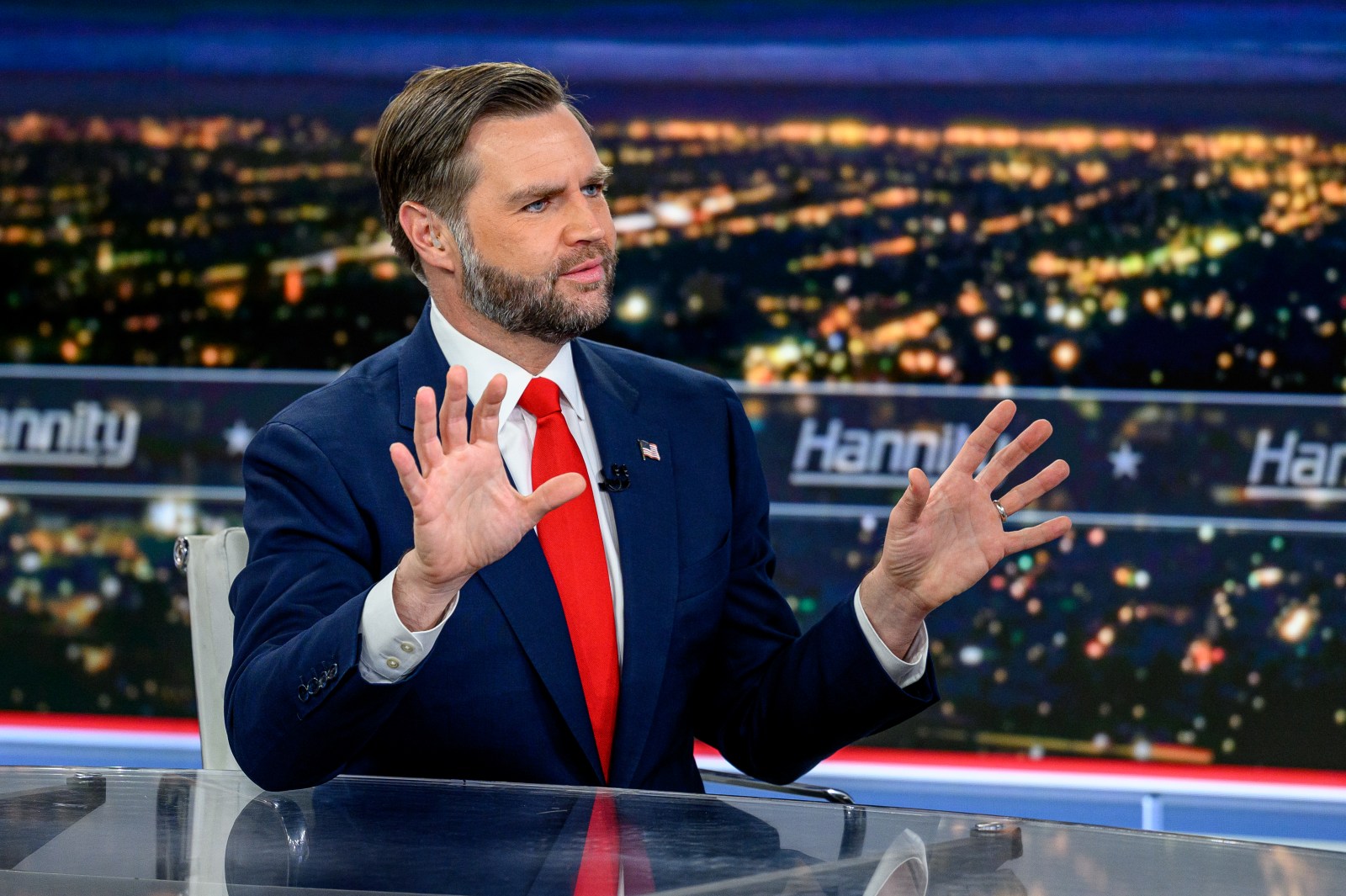
Vice President JD Vance stated that Tehran plans to eliminate its highly enriched uranium as part of a deal to end the Iran War. However, ensuring the material’s complete neutralization, crucial for preventing nuclear weapon development, remains challenging. President Donald Trump has highlighted a memorandum of understanding (MOU) that will aim to open the Strait of Hormuz, which Tehran has previously blocked. Negotiations set to last 60 days will cover the Islamic Republic’s nuclear program.
Disparate views emerge from U.S. and Iranian sources over the agreement’s details, soon to be disclosed, which seeks to conclude the conflict that began on February 28 with American and Israeli strikes on Iran. Vance informed Fox News that Tehran’s agreement to eliminate its enriched uranium stockpile aligns with Trump’s goal to thwart Iran’s nuclear weapon ambitions. “They’re agreeing right now to eliminate the enriched stockpile,” Vance noted, highlighting a crucial condition for reaching an agreement.
The Arms Control Association (ACA) emphasized the importance of the Trump administration not missing this diplomatic opportunity. Israeli politicians and media have raised concerns regarding the MOU, citing insufficient detail and concessions to Tehran. Brig. Gen. Yossi Kuperwasser from the Jerusalem Institute for Strategy and Security (JISS) expressed dissatisfaction over a supposed lack of Israeli involvement in the deal.
Neutralizing Iran’s Highly Enriched Uranium
Iran possesses a 970-pound stockpile of highly enriched uranium (HEU) at 60 percent enrichment. Despite American and Israeli strikes, most of this stockpile remains intact and stored underground. The International Atomic Energy Agency (IAEA) reported uncertainty about the current state of the bombed sites and related nuclear materials.
The ACA assessment suggests diluting the HEU inside Iran under IAEA oversight as an effective neutralization measure. Although past strikes in 2025 and 2026 impaired Iran’s nuclear capabilities, they did not eliminate the threat entirely. Reducing HEU enrichment to below 5 percent for reactor use, under IAEA supervision, can reduce proliferation risks. Possible next steps include shipping the material to Kazakhstan’s international fuel bank or secure storage supervised by the IAEA.
A U.S. official on June 12 indicated that the final deal might involve a long-term suspension of Iran’s uranium enrichment program. Shifting from permanently prohibiting enrichment could enhance the deal’s viability. The ACA advocates for verifiable enrichment suspension to ensure Iran cannot rapidly develop a nuclear bomb.
‘Prospect of a Nuclear Iran Off the Table for a Generation’
The U.S. might strengthen enrichment suspensions by controlling centrifuge production, capping uranium mining, and demanding stricter IAEA oversight. Future enrichment would require Iran to demonstrate necessity and pursue safer nuclear fuel cycle alternatives, the ACA noted.
Referencing the 2015 Joint Comprehensive Plan of Action (JCPOA), the ACA highlighted that Iran has advanced its knowledge of the uranium fuel cycle since Trump’s withdrawal. To maintain effective international oversight, any deal must include clear timelines for IAEA access and UN Security Council support for connection to sanctions relief.
“Negotiating an effective, verifiable nuclear agreement that includes substantial benefits for Iran offers the best deterrence against nuclear weapon development,” said the ACA. Brig. Gen. Kupperwasser expressed concern over Israel feeling marginalized in these negotiations, viewing the potential final arrangement as overly reliant on a regime with a history of deceit.
Justin Logan from the Cato Institute suggested that achieving agreement through negotiation, rather than conflict, highlights the war’s avoidability. He added that a successful MOU could prevent nuclear development in Iran for generations.
What Has the IAEA Said?
The IAEA’s initial post-war report to the UN outlined no significant changes in Iran’s nuclear program. The report reiterated calls for Tehran to clarify uranium stockpile fates and urged implementation of the NPT (Non-Proliferation Treaty) Safeguards Agreement terms. IAEA chief Rafael Grossi stressed the need for ongoing engagement with Iran.