
Spreading Ebola in Central Africa
The Ebola outbreak in central Africa continues to grow, accompanied by increasing misinformation about the virus. Social media is rife with false claims, such as assertions that Ebola is a myth or that healthcare personnel are exploiting the situation for personal gain. The World Health Organization has noted over 1,000 suspected and confirmed Ebola cases, with at least 223 deaths potentially attributable to the virus. Health experts suggest actual numbers are likely higher.
Focus on Borders and Uganda’s Response
The Democratic Republic of Congo remains the epicenter of the outbreak. Next to it, Uganda has closed its formal borders with Congo on May 27 in efforts to protect itself, although challenges remain due to numerous unofficial border routes still in use. Leonard Musinguzi, a community and surveillance officer with the International Rescue Committee (IRC) in Uganda, highlights the persistent issue of cross-border movement.
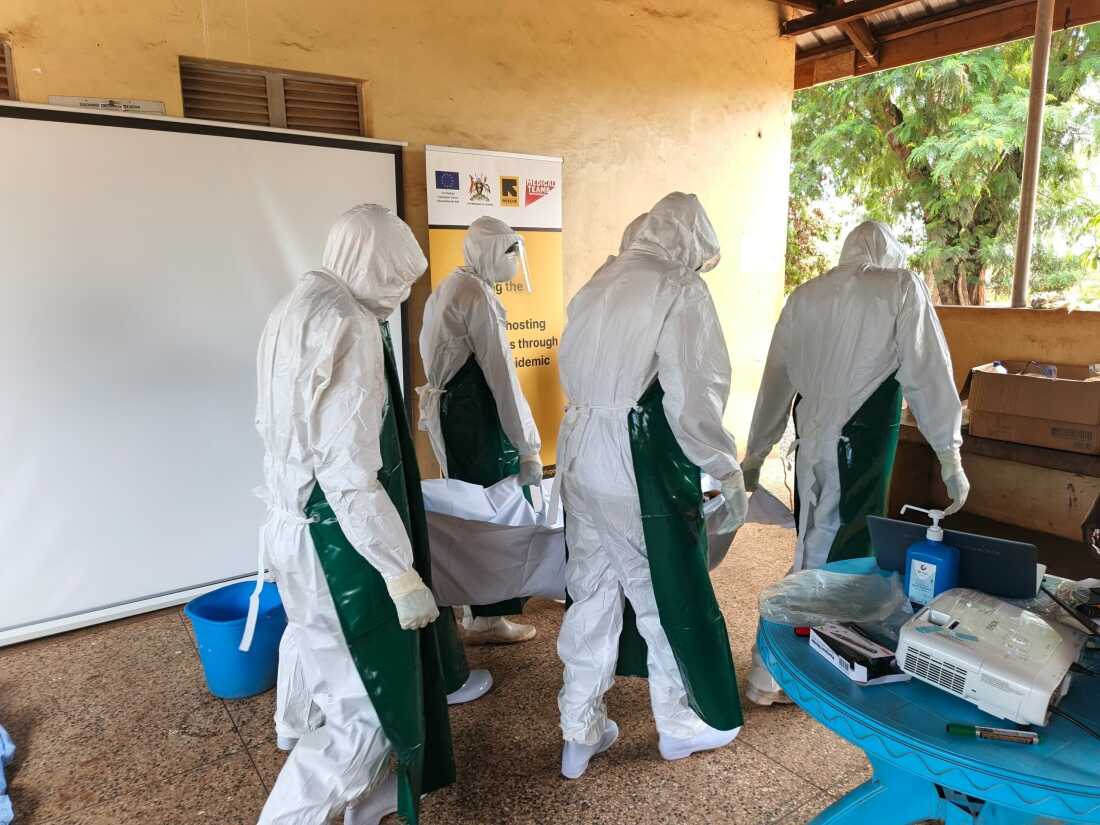
Musinguzi’s responsibilities include identifying potential Ebola cases, quarantining refugees, educating healthcare workers, and engaging the community to fight the disease. He also emphasizes the challenges posed by rapid misinformation dissemination regarding Ebola.
Efforts to Counter Misinformation
To counteract false information, Musinguzi implements public health campaigns through radio spots, posters, and hospital television broadcasts. These initiatives aim to inform and educate the community about Ebola. However, financial constraints have limited the extent of these efforts. Musinguzi notes that funding cuts have reduced the opportunity to share educational content through media outlets, decreasing from five radio segments to just one.
Impact of Aid Cuts on Health Programs
Government cuts have affected organizations like the IRC, reducing support for essential health programs. This is despite assurances from the U.S. State Department that recent adjustments in federal funding have not significantly affected contributions to global health and security initiatives in eastern DRC. State Department spokesman Tommy Pigott emphasized the rapid American response to the outbreak within 24 hours of confirmation, utilizing medical, humanitarian, operational, and consular resources.
NPR’s Adrian Florido spoke with various aid workers and a former employee of the United States Agency for International Development to gather insights into the complex pressures on the global health system and the effects of federal spending reductions.