
Severe flooding along the Nepal-China border has resulted in the deaths of hundreds and thousands of people reported missing. Critical to survival in these conditions is access to oxygen, food, and water. On Monday, rescuers in Nepal worked urgently to free workers trapped in hydropower site tunnels buried under mud.
Jennifer Horney, a disaster epidemiologist from the University of Delaware, emphasized the importance of the first 72 hours in ensuring survival. Access to clean water is crucial, as survival chances decline without it. Emergency protocols and the training of workers regarding exit locations are essential. However, flooding may have obstructed exits with mud, complicating rescue efforts.
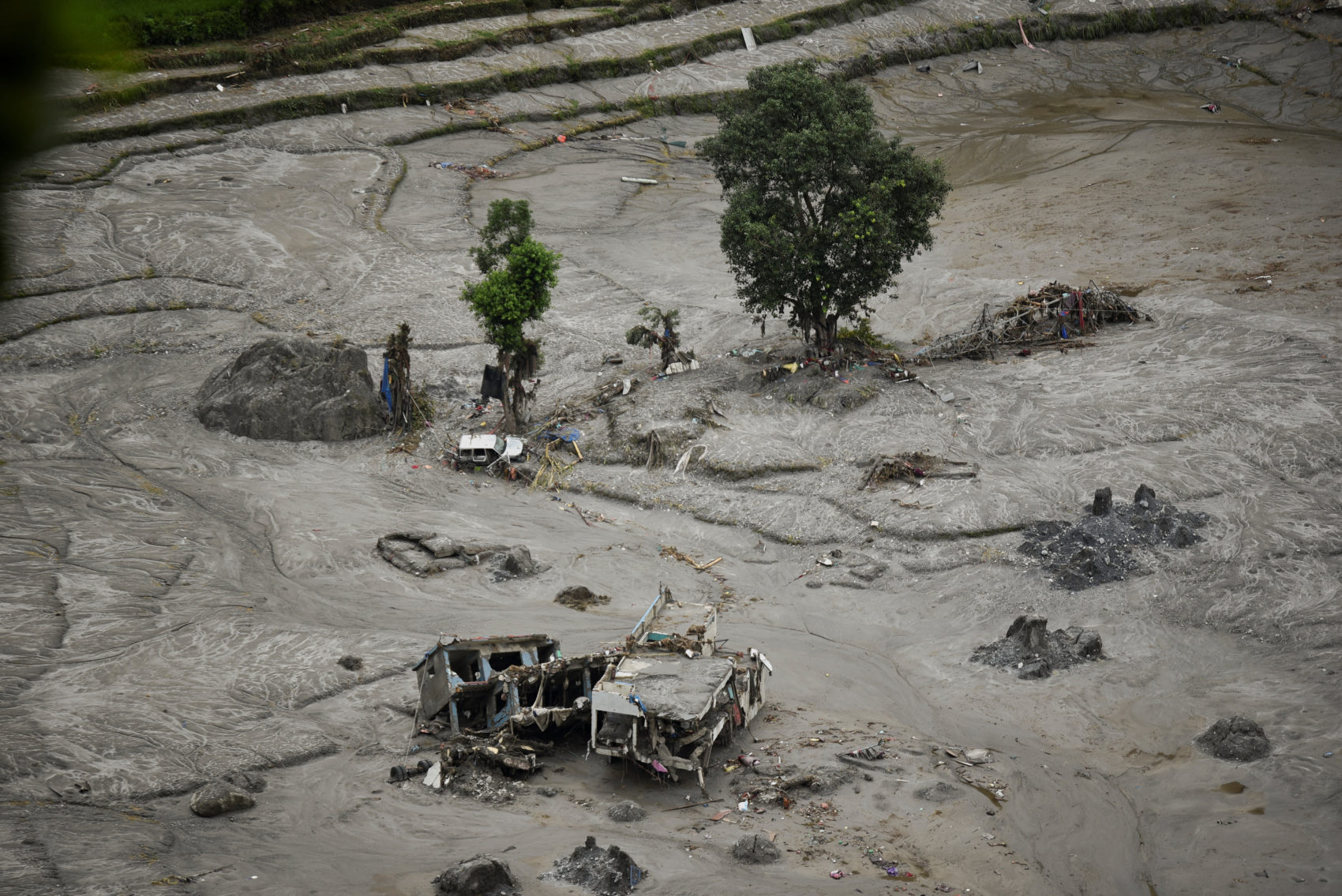
An aerial view showed damage to buildings and vehicles near Trishuli River in Betrawati Bazaar, Rasuwa district, Nepal. Photo by Reuters.
Clean drinking water remains vital for those trapped. It is unclear if emergency supplies are available in the tunnels. Horney stressed the importance of access to safe water, stating that survival beyond three days without it is difficult.
Breathable air is another critical factor. Jakob Steiner, a geoscientist from the University of Graz, noted that efforts to supply oxygen to some trapped workers are ongoing. However, as days pass, concerns about suffocation increase, along with the need for food and water.
Mental health effects of isolation are also concerning. Thomas Chandler from Columbia University emphasized the need for assessing serious injuries and the safe delivery of supplies. He referenced a 2023 Himalayan tunnel collapse where workers survived for 17 days with external support.
The climate inside the tunnels can affect dehydration rates. Rescued individuals may require significant physical and mental health care, say disaster experts.
The Nepal Army and rescuers are working in affected areas. Photo by Navesh Chitrakar/Reuters.