
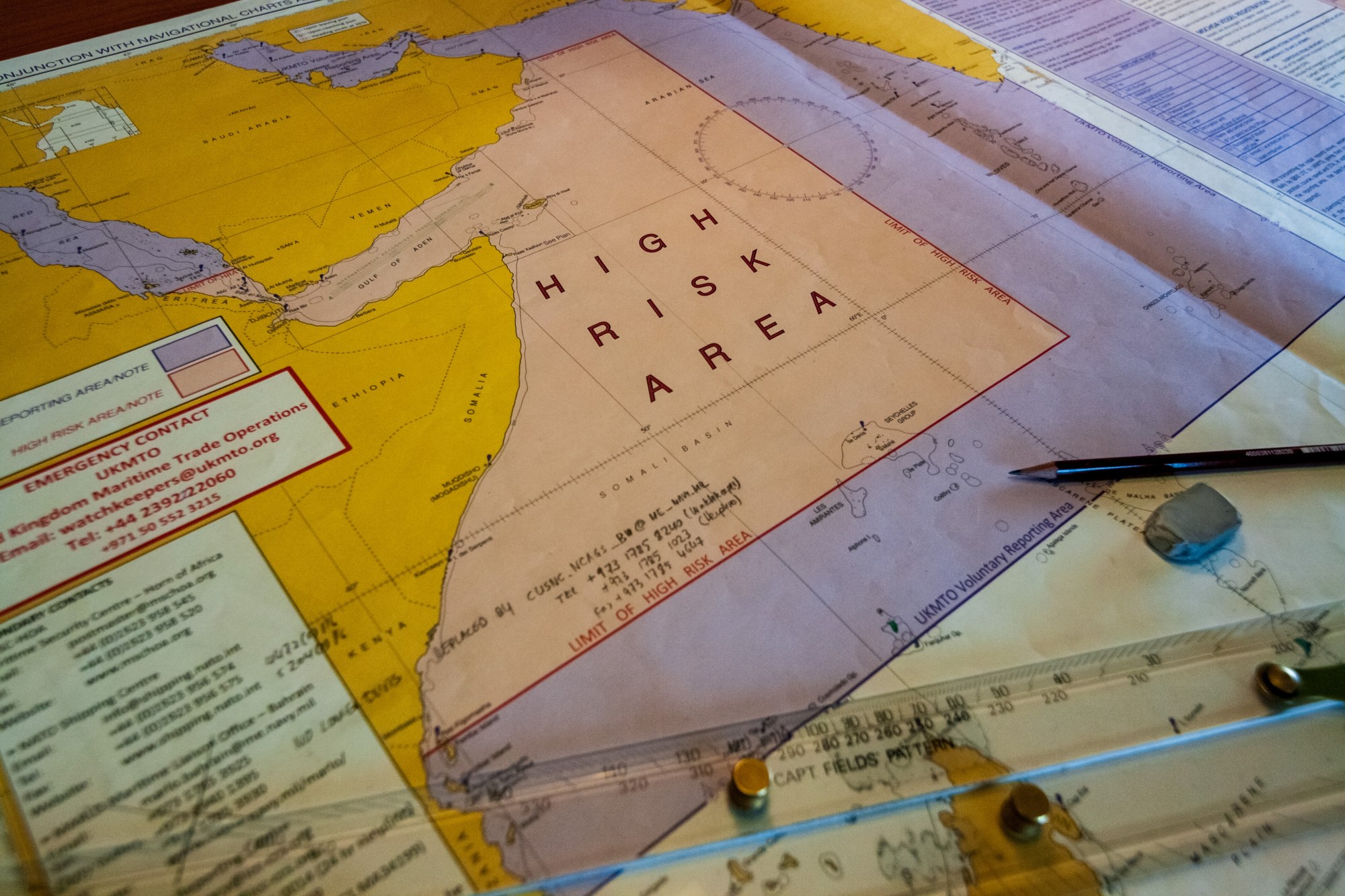
On January 12, 2017, piracy activity was reported off the coast of Somalia in the Gulf of Aden, highlighting the precarious maritime security situation in the region. The Iran conflict has exacerbated threats to the Strait of Hormuz and influenced the resurgence of piracy in the Red Sea. In April and May 2026, Somali pirates hijacked four vessels within two weeks, including the Togo-flagged Eureka, an oil tanker operated by Emirati-linked interests. The vessel was taken to the Puntland coast, with a ransom demand of $10 million.
This piracy incident is part of a broader threat architecture formulated by Tehran, illustrating a network between terrorist groups in Yemen and pirates in Somalia. The connection was documented in a U.N. Panel of Experts report from 2025, indicating direct meetings between Yemeni terrorist representatives and Somalia-based militants. Somali pirates received weapons, GPS tracking devices, and military training from Yemen-based groups, enhancing their operational capabilities.
The deputy intelligence director of the Puntland Maritime Police Force confirmed that such equipment is currently used by Somali pirates, marking a shift from regional security issues to a weapon proliferation and maritime terror dilemma linked to Tehran. The Bab el-Mandeb Strait has been monitored due to missile threats from Yemen, yet the focus on missile attacks overshadows the piracy resurgence. The piracy networks in Puntland benefit from the ongoing conflict, recruiting and expanding their reach.
At its peak in 2011, Somali piracy inflicted $7 billion in costs on the global economy, disrupted by naval deployments and onboard armed guards. This suppression is unraveling, with a five-year high in global piracy incidents reported in 2025. The increase in piracy correlates with the geopolitical turmoil, and existing U.S. interests, including counterterrorism commitments and military arrangements in East Africa, are at risk due to the arms pipeline from Tehran through Yemen into Somali networks.
The Iran conflict has intertwined with Somali piracy, not as a consequence but as a strategic move, influencing shipping disruptions and straining naval resources. Current U.S. operations like Prosperity Guardian were designed for missile threats from Yemen but must adapt to confront this multifaceted piracy network leveraging Iranian equipment. A comprehensive interagency review of the weapon pipeline from Yemen to Somalia is essential, addressing its financing, command, and influence on East African arms markets.
The administration should apply Iran sanctions to financial networks tied to ransom payments and arms proceeds within this corridor. Rebuilding a dedicated counter-piracy presence in the Gulf of Aden is necessary to preempt future incidents rather than reacting afterwards. Somali piracy has demonstrated that sustained pressure can yield results, and the current situation demands recognizing Iran’s sponsorship as a compounding factor.
Siyad Madey, a legal practitioner and analyst in Nairobi, specializes in Horn of Africa geopolitics and Red Sea security. He contributes to the Middle East Forum.