
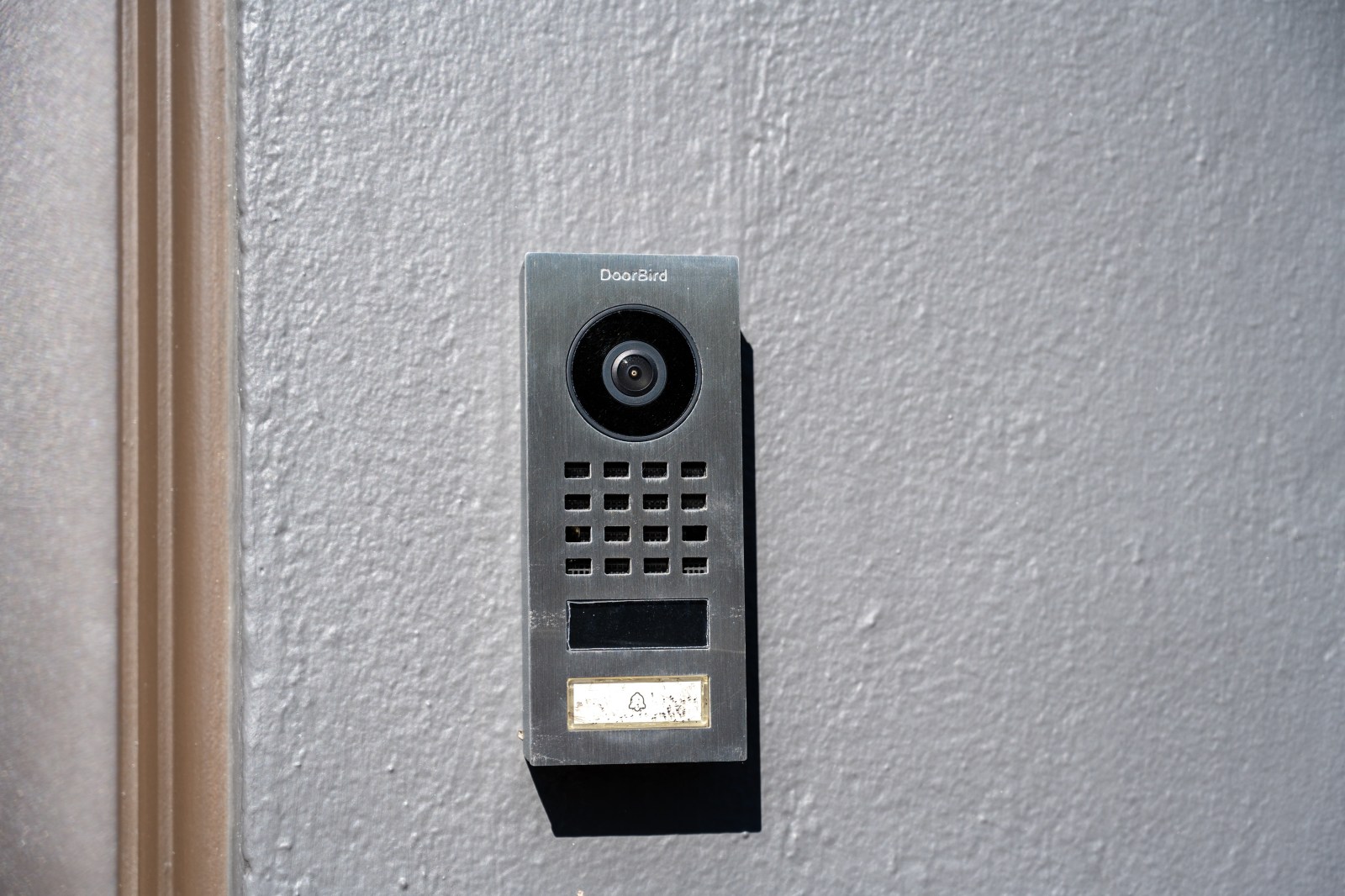
As smart-home technology becomes more widespread, home sellers are increasingly using cameras and recording devices during property tours. This allows them to access conversations and reactions buyers might assume are private. A LendingTree survey of 2,000 consumers in June 2026 found that 56% of home sellers used hidden cameras while buyers viewed their homes. Meanwhile, 72% of buyers believed they were being watched during tours.
Tensions in Real Estate
Sellers gain tools to protect properties and gather information, but buyers worry about privacy. Smart doorbells can capture audio clearly from 50 feet away. According to Greg Field, a specialized Solar Home Realtor® in Tempe, AZ, buyers should consider themselves part of a reality show from the moment they arrive.
Reasons for Recording
Sellers most commonly cited protection as their reason for surveillance, with 61% using cameras for security. Other reasons included learning about buyer preferences (19%) and gaining an advantage regarding buyer interest or comments by real estate agents (6%).
Cara Ameer, a real estate agent with Coldwell Banker, advises buyers to assume they are being recorded and plan accordingly. LendingTree’s Matt Schulz agrees, suggesting that discussions should occur after leaving the property.
Buyer Reactions and Concerns
The possibility of surveillance affects how buyers approach viewings. Many are cautious about what they say inside a property. Cameras can cause discomfort, with 19% leaving a showing due to feeling watched and 18% deciding not to make an offer.
Sixty-four percent of recent buyers are concerned about surveillance during tours. Over 20% avoided discussing their budget or offer strategy, hid excitement, or refrained from voicing dislikes due to recording concerns. Additionally, 34% of Americans are less likely to submit an offer knowing recording equipment was used.
Legal Implications
Whether sellers can legally record home tours depends on the property’s location and what is being recorded. Video recording is common, but audio is legally complex. Without consent, audio recordings may violate ethics codes and become wiretapping cases.
Real estate professionals recommend disclosing surveillance devices. Buyers should assume conversations inside could be overheard and save detailed discussions for after leaving the property.
In the modern housing market, open houses serve as opportunities for both buyers to inspect properties and sellers to observe buyers.