
On July 3, 2026, Iran is set to bury its former Supreme Leader Ayatollah Ali Khamenei after a significant multi-day funeral ceremony. Khamenei, a figure both criticized and respected, was killed with family members during early U.S. and Israeli attacks on Tehran on February 28.
This is only the second time Iran has buried a supreme leader. The first was the 1989 funeral of Ayatollah Ruhollah Khomeini, which attracted millions to Tehran. Current estimates indicate up to 20 million might attend Khamenei’s funeral, based on statements by Tehran’s mayor, Alireza Zakani, as reported by the Young Journalists Club connected to Iranian state television.
The ceremony will likely serve as a demonstration of the Islamic Republic’s strength. Sina Azodi, director of the Middle East studies program at George Washington University, noted that those defending Khamenei’s legacy aim to showcase loyalty to the regime by encouraging high attendance.
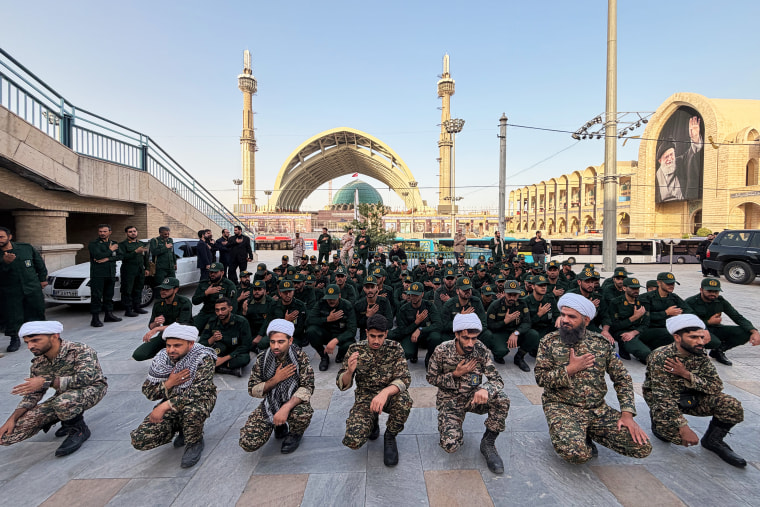
Events include a coffin viewing and prayers at Tehran’s Grand Mosalla complex, with a procession in the capital and additional events in Qom and Iraq. This cross-border homage will underscore the Islamic Revolutionary Guard Corps (IRGC)’s influence in the region.
Khamenei’s wife, Zahra Haddad Adel, was mourned separately earlier. Khamenei will be laid to rest in his hometown of Mashhad, known for its prominent Shiite shrine.
Though Muslim tradition calls for quick burials, Khamenei’s funeral occurs months after his death, aligning with a foreign policy shift following a U.S.-Iran peace memorandum. Iran is emerging from conflict with U.S. and Israeli forces that saw significant political turmoil, notably the rise of Khamenei’s son Mojtaba.
Mojtaba, injured in the attack that killed his father, has yet to appear publicly or issue statements, sparking health concerns. He assumed leadership in March, but no confirmation exists on his participation in the funeral.
Khamenei’s legacy remains visible throughout Tehran with murals and state media often labeling him a martyr. His era in power empowered the IRGC, heightening their military and political authority, despite ongoing U.S. and Israeli military actions designed to destabilize the Iranian regime.
Politically, Mohammad Bagher Ghalibaf, the parliamentary speaker, has emerged as a key figure. He frequently criticizes U.S. President Donald Trump and vows that Iran will remain vocal in global discourse post-conflict.
This funeral offers the IRGC an occasion to highlight their endurance against U.S. efforts while suggesting stability amid domestic upheaval. Earlier, Iran dealt with significant protests in January, suppressed by the regime, an incident marking an internal crisis.
The fragile economy complicates Iran’s path to sustained peace, already strained by war. Security remains vital, given the tumultuous precedent set during Khomeini’s funeral in 1989, where chaos led to fatalities in the crowd.
Amid heightened security measures, the possibility of attacks remains. An Islamic State assault at Gen. Qassem Soleimani’s memorial in 2024 underscores this risk. Yet analysts suggest Iran’s leadership faces more uncertainty beyond the funeral. The regime’s rigidity under Khamenei has left deep-seated vulnerabilities, compounding challenges for the Islamic Republic’s future.