
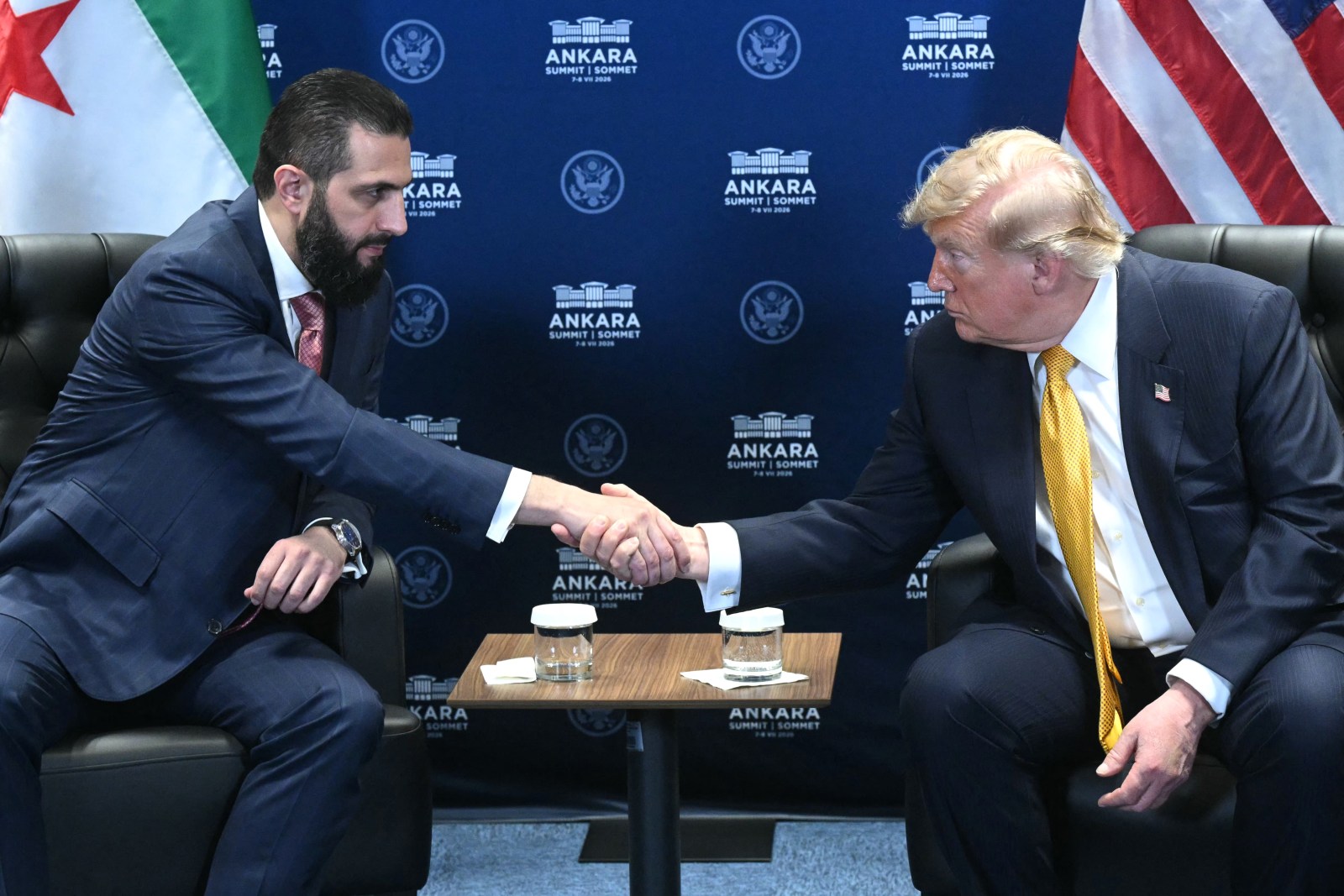
The United States has taken Syria off its list of state sponsors of terrorism. This decision followed a congressional review after Syria’s former government was overthrown. The removal highlights improved relations between Washington and Damascus.
President Ahmad al-Sharaa of Syria played a key role in this change. Once labeled a terrorist by the U.S., the designation was lifted before his visit to the White House on November 7, 2025. This removal was published in the Federal Register on December 1. Secretary of State Marco Rubio stated that Sharaa’s administration has significantly reduced terrorism links.
Removing Syria from the list leads to several sanctions being lifted. Syria was the last country on the list since 1979, when Libya, Iraq, and South Yemen were also included. Libya was removed in 2006, Iraq was removed in 1982 and again in 2004, and South Yemen was removed after unification in 1990. Sudan, added in 1993, was removed in 2020 after normalizing relations with Israel.
Other Countries on the List
Iran
Iran was labeled a state sponsor of terrorism in 1984, after the 1979 Islamic Revolution. The U.S. cites Iran’s support for groups like Hezbollah and others as the reason. The 2015 nuclear deal temporarily eased tensions, but these increased again in 2018 when Trump exited the agreement.
Conflicts with Iran escalated after the U.S. and Israel attacked Iranian nuclear sites in June last year. This led to a prolonged conflict without resolution, with continued claims of dominance from both sides.
Cuba
Cuba appeared on the list in 1982, charged with supporting leftist movements. The U.S. has imposed economic sanctions for decades, beginning with Cuba’s 1959 revolution. Under President Obama, there was a brief thaw in relations, but Trump reversed this, adding Cuba back to the list in 2021.
Under Biden, efforts to remove Cuba stalled, especially as Trump returned to office. Tensions rose with a recent oil embargo linked to Venezuela’s situation. Cuba denies support for terrorist groups.
North Korea
North Korea joined the list in 1988, following a bomb plot link and accusations of supporting leftist groups. In 2008, negotiations led to temporary removal from the list, focusing on nuclear disarmament.
Despite early diplomacy with Trump, North Korea was relisted in 2017 after an assassination linked to Kim Jong Un. Occasional diplomatic hints appear, but tensions remain. Talks have stagnated, with North Korea offering dialogue only if U.S. policy shifts.
It remains uncertain whether Trump’s recent move to scale back military exercises with South Korea might revive talks.