
Uncertainty Looms in Israel
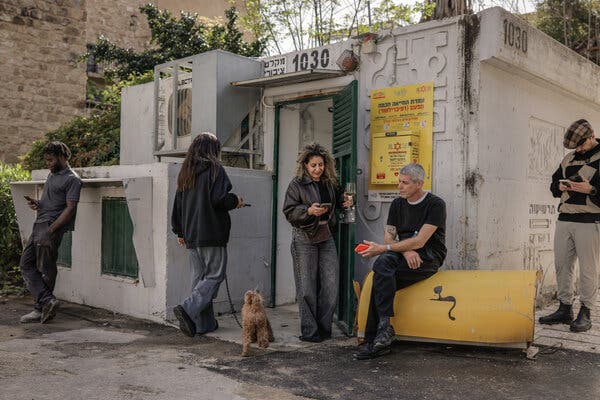
For weeks, Israelis have voiced concerns over the unpredictability surrounding the intermittent conflict with Iran. As the dynamics between the United States and Iran fluctuate between negotiations and military threats in the Persian Gulf, Israel currently remains on the sidelines, caught in a state of uncertainty.
Israeli civilians face worries about international travel disruptions or the possibility of returning to bomb shelters if hostilities resume. Following a nominal ceasefire with Iran, the military, already involved in engagements in Lebanon and Gaza, finds itself uncertain about future strategies. This ongoing tension without resolution leaves many uncomfortable. Polls indicate that Israelis feel less secure now compared to before the joint U.S.-Israeli actions against Iran in February.
Discrepancies in Goals
For many Israelis, this unease is preferable to potential alternatives. A significant challenge arises from the misalignment between Israel’s goals and those of the Trump administration. President Trump has prioritized reopening the Strait of Hormuz for uninterrupted commercial traffic. Despite his aggressive rhetoric, Trump asserts that U.S. military actions aim to bring Iran back to negotiations rather than escalate the conflict.
From Israel’s perspective, a U.S.-Iran agreement is concerning, particularly given the terms and omissions in the memorandum of understanding reached by the two countries in June.