
America’s lakes, traditionally stable sources of drinking water, recreation, and wildlife habitat, are increasingly vulnerable. Climate change, overuse, and pollution are pushing many freshwater systems toward crisis.
Challenges Facing U.S. Lakes
Lakes across the nation are shrinking, warming, and becoming more polluted. Climate change intensifies these issues, causing more frequent droughts and higher temperatures. This leads to increased evaporation and reduced inflow. Maria Morgado from the United Nations Environment Programme (UNEP) emphasizes that climate change is central to this problem.
Additionally, UNEP notes that growing populations and agricultural demands further reduce water availability for natural systems. Pollution also greatly contributes to the problem. Nutrients like nitrogen and phosphorus from fertilizer runoff, sewage, and industrial waste fuel toxic algal blooms that harm water quality and human health.
Despite past efforts like the Clean Water Act, many lakes continue to suffer. Reduced water levels lead to concentrated pollution, speeding up ecological decline.
Great Salt Lake, Utah
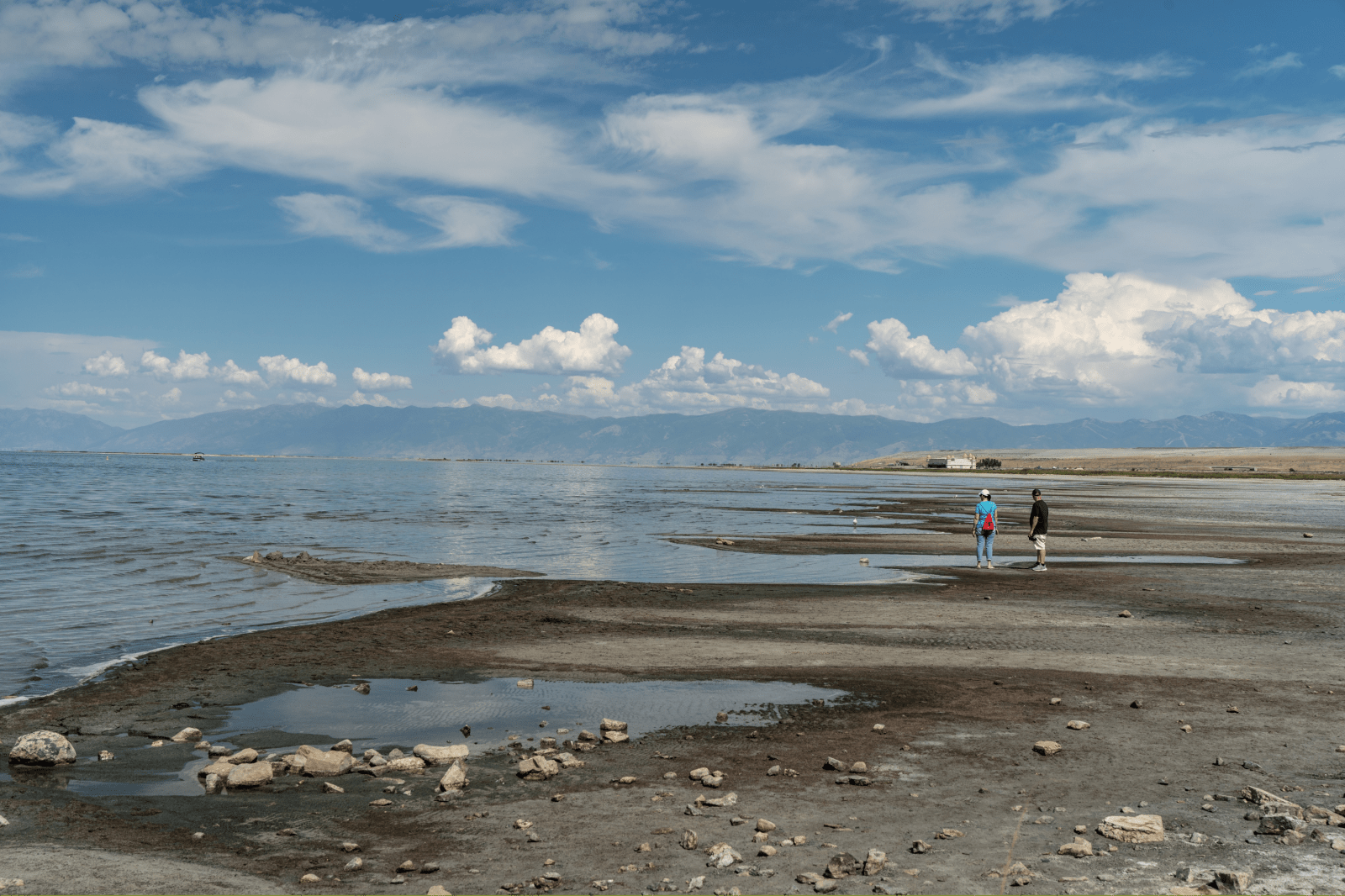
The Great Salt Lake is considered among the most endangered in North America. According to World Atlas, it has lost around 73% of its water and 60% of its surface area since 1850, primarily due to water diversion and climate-driven drought. As a terminal lake with no outflow, rising salinity is a critical issue, threatening brine shrimp and other microorganisms essential for migratory birds.
The shrinking lake bed poses a public health risk, as toxic dust with heavy metals can blow into nearby areas.
Lake Erie, Great Lakes
Lake Erie faces harmful algal blooms, mainly from agricultural runoff, particularly phosphorus from fertilizers. According to the Great Lakes Ledger, these blooms produce toxins that contaminate drinking water, force beach closures, and harm aquatic life. Entire communities may receive warnings against using tap water due to contamination.
Recurring blooms persist despite extensive cleanup efforts, and the situation may worsen with climate change increasing heavy rainfall.
Lake Okeechobee, Florida
Nutrient pollution and urban runoff heavily impact Lake Okeechobee, Florida’s largest freshwater lake. Florida Atlantic University (FAU) identifies agriculture, wastewater, and development as sources of excess nitrogen and phosphorus fueling cyanobacteria growth. This blue-green algae produces toxins harmful to humans and wildlife.
Heavy rain exacerbates the issue, flushing more nutrients into the lake and causing widespread toxic blooms. Brian Lapointe from FAU confirmed that massive blooms appeared after extreme rain events.
Lake Mead, Nevada/Arizona
Lake Mead, the largest U.S. reservoir, is experiencing historic water shortages after prolonged drought and overuse of the Colorado River system. Though water levels briefly improved in 2024, projections indicate they may fall to record lows again, jeopardizing water for over 40 million people.
The declining water level threatens hydroelectric power generation at the Hoover Dam, raising long-term concerns about energy and water security in the west.
Lake Powell, Utah/Arizona
Similar challenges confront Lake Powell, another core Colorado River reservoir. Severe drought has drastically reduced water inflow. This year, the Colorado River Basin Forecast Center projected just 13% of the 30-year average inflow between April and July.
Lake Powell faces the possibility of failing to generate hydropower for millions or deliver water downstream effectively.
Steps to Mitigate the Decline
Experts believe reversing or slowing the decline of many lakes is possible through coordinated actions:
- Reduce water consumption, especially in agriculture, responsible for nearly half of U.S. freshwater withdrawals, according to the U.S. Department of Agriculture (USDA).
- Enhance water management. Demand has surpassed supply, partly due to outdated policies like the 1922 Colorado River Compact.
- Limit nutrient pollution by controlling fertilizer runoff, upgrading wastewater infrastructure, and enforcing stricter regulations.
- Rehabilitate wetlands and natural buffers to filter pollutants.
- Address climate change by reducing greenhouse gas emissions to mitigate long-term warming and drought.
Conclusion
From Utah to Florida, America’s lakes face increasing pressure. Shrinking shorelines in the West or toxic algae in the East highlight the fragile state of water systems. Without decisive action, scientists warn of irreversible damage, impacting ecosystems, economies, and millions of Americans who rely on these water sources daily.