
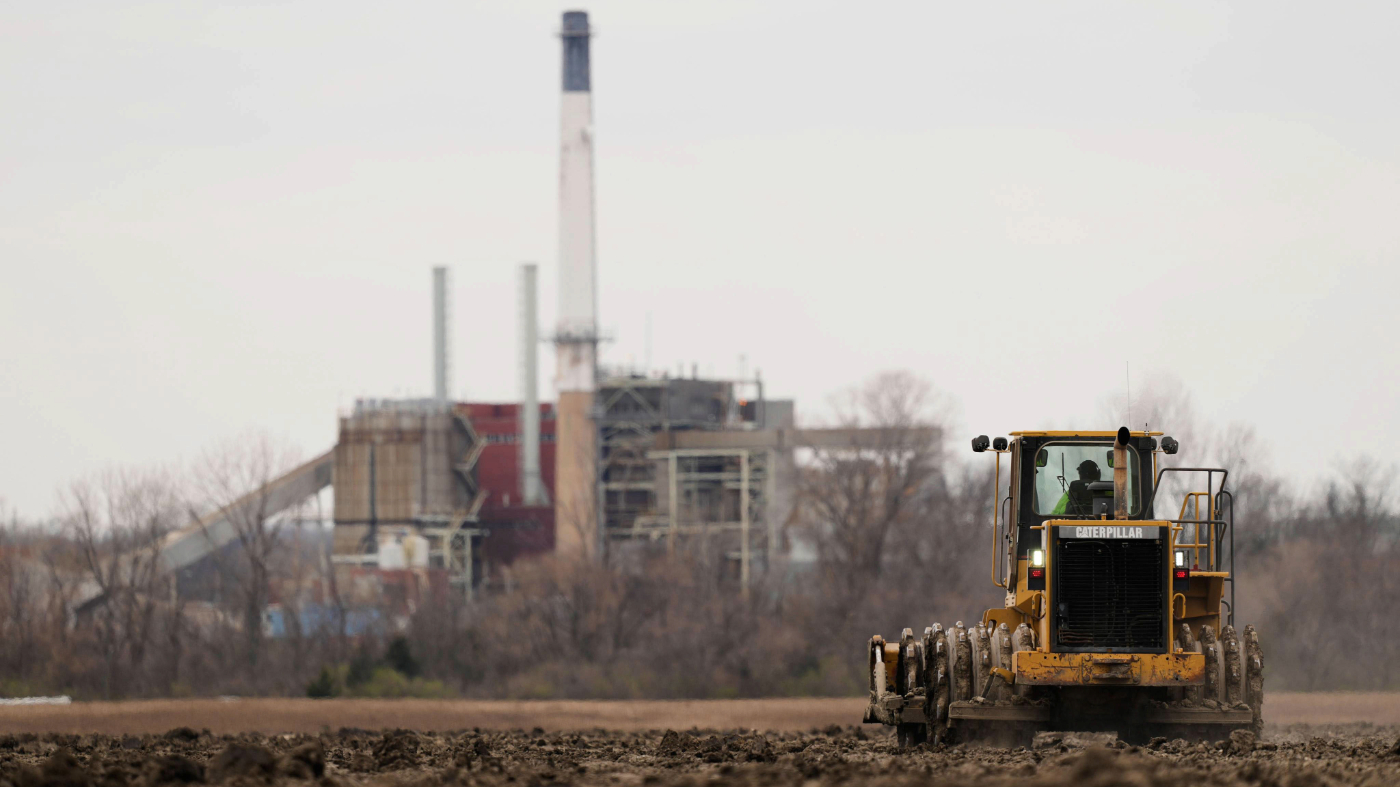
In Independence, Missouri, a worker is preparing a plot of land for an AI data center. Nearby, a retired power plant is being refurbished to provide electricity to the facility. This moment signifies the ongoing effort to build the infrastructure that fuels America’s economic growth. The United States has a history of constructing significant infrastructural projects, such as railroads, interstate highways, and the internet. Each of these initiatives required vision and skilled labor and contributed to decades of progress and security.
Currently, data centers and the energy to power them represent the foundational elements of artificial intelligence. This technology is anticipated to drive future American security and prosperity. However, as these efforts gain momentum, some communities and states are seeking to halt this progress through moratoriums and bans on AI infrastructure projects.
Banning AI infrastructure development could harm communities in the long run.
Concerns about electricity use, water resources, and site location are legitimate and deserve attention. Community members, including those who work in these projects, share these spaces. Yet, imposing a complete ban on a rapidly growing job sector and investment opportunity is not a viable solution. The construction of infrastructure underpinning the economy and AI advancements will happen, whether in the U.S. or elsewhere. The question is whether America will choose to build or renounce these opportunities.
The U.S. currently leads the world in data center investment, with thousands of facilities in operation and more under construction. In central Ohio, data center developments account for a significant portion of building trades. Projects there have generated millions of worker hours, bringing economic benefits and career opportunities to local communities.
Projects like those in Piketon, Ohio, can transform areas that have long sought meaningful economic developments. These ventures create real opportunities by providing family-sustaining wages, healthcare, retirement benefits, and potential pathways for younger workers into the middle class through apprenticeships.
The positive impact extends beyond construction, as data centers contribute billions in state and local tax revenue each year. Schools, infrastructure, and local businesses all stand to benefit significantly from these projects.
While opponents of data center projects raise valid concerns, it’s important to differentiate between effective oversight and blanket bans. Communities should demand responsible development, rigorous oversight, and thoughtful planning. They deserve an active role in decision-making processes. However, outright bans disregard these complexities and replace nuanced assessment with a simple denial.
Stopping construction won’t halt technological advances globally. Countries like China continue to expand their AI infrastructure. Should America falter, it risks losing out on jobs, talent, and leadership in technology. Success will belong to those who balance innovation with prudent solutions, while failure will follow stagnation and blanket prohibitions.
The choice of which nation will shape the future is crucial. The U.S. should not retreat from building and embracing progress.
Austin Keyser is the International Vice President of the 4th District of the International Brotherhood of Electrical Workers, representing members in Ohio, Kentucky, Maryland, Virginia, West Virginia, and the District of Columbia.