
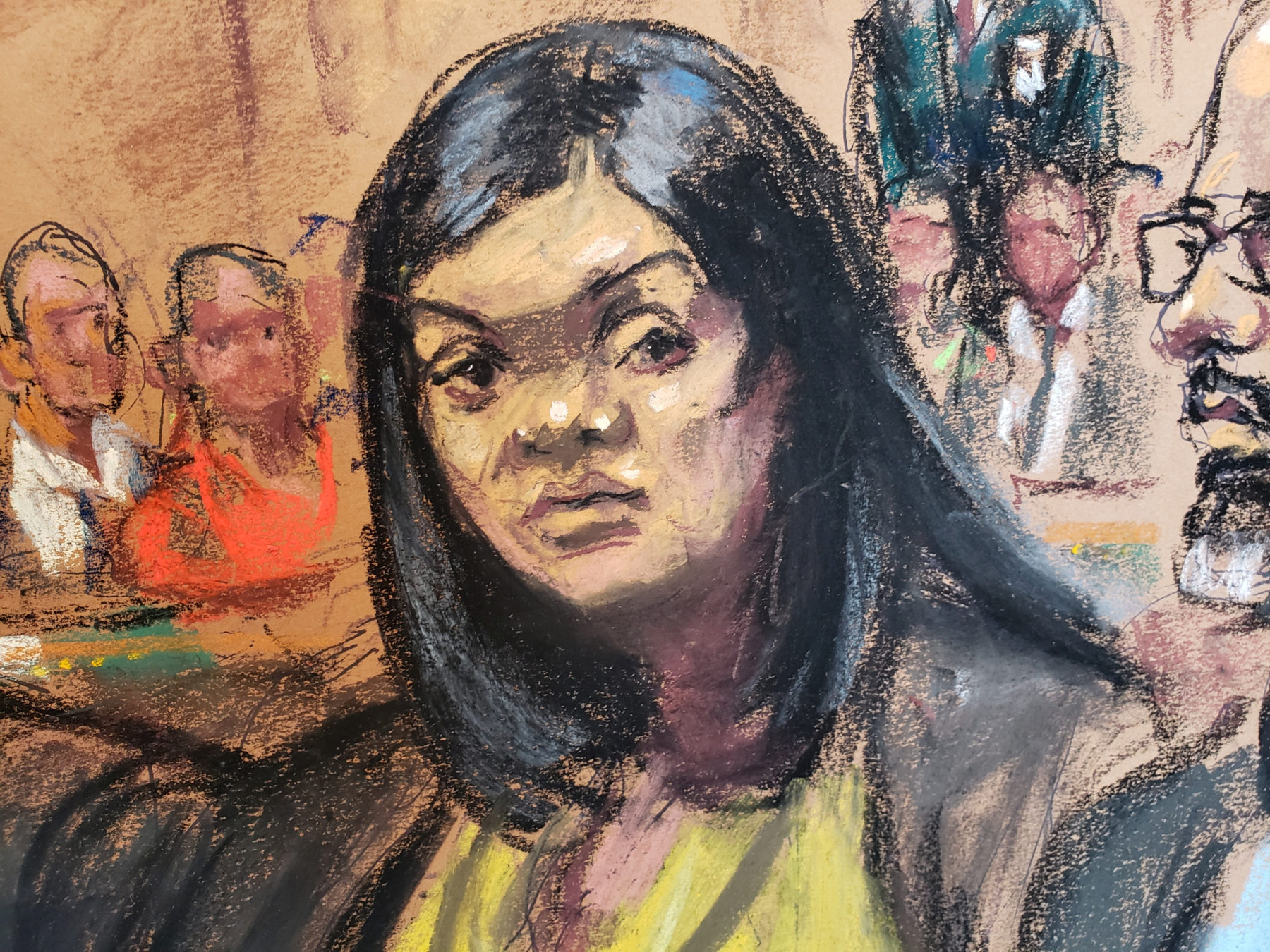
Tova Noel, a former prison guard at the facility where Jeffrey Epstein was found deceased, is set to give a closed-door deposition on Monday before the House Oversight Committee. Noel is among the two guards on duty during the night of August 9, 2019, preceding the discovery of Epstein’s death in his cell.
She informed federal investigators that she might have been the last person to see Epstein alive. According to the New York City’s medical examiner, Epstein’s death was ruled a suicide. Nevertheless, emerging revelations, including reports of procedural errors and discrepancies in security footage from outside Epstein’s cell, have prompted conspiracy theories and speculation regarding his death.
The committee’s inquiry forms part of an ongoing investigation into the federal handling of Epstein’s cases, including those involving his former partner Ghislaine Maxwell.
Various influential figures have been identified in the Epstein files released by the Department of Justice, spanning across politics, finance, and entertainment sectors. While the presence of names in the files doesn’t implicate wrongdoing, consequences have included resignations and calls for accountability.
Among other prominent personalities who have given testimony to the committee are former President Bill Clinton, former Secretary of State Hillary Clinton, Secretary of Commerce Howard Lutnick, billionaire Les Wexner, and Ted Waitt, Maxwell’s former boyfriend.
Understanding Tova Noel’s Background
Tova Noel worked as a correctional officer at the Metropolitan Correctional Center in New York. Before her tenure at the prison, she served in the U.S. Army as a patient administrative specialist, receiving an honorable discharge in 2014.
In 2017, Noel earned a bachelor’s degree from the John Jay College of Criminal Justice, joining the federal Bureau of Prisons the next year.
Importance of Noel’s Testimony
In 2019, Tova Noel faced charges in federal court of falsely certifying inmate counts during Epstein’s final hours. Noel’s 2021 testimony to the Department of Justice inspector general’s office claimed she last saw Epstein alive in his cell at 10 p.m.
Noel described witnessing Epstein’s body discovery at 6:30 a.m. the next day, observing her colleague, Michael Thomas, performing CPR. She indicated that she heard nothing from Epstein’s cell between 10:30 p.m. and when he was found unresponsive during breakfast checks.
Federal investigators charged Noel and Thomas for logging prison checks they didn’t perform the night of Epstein’s death. Prisoners in MCC’s Special Housing Unit are supposed to be checked every 30 minutes, yet investigators noted no checks were made overnight.
Noel contested the charges in her deposition, stating she completed most checks during her shift, often coinciding with routine duties like restocking supplies. Both officers were accused of sleeping and internet browsing prior to Epstein’s body discovery.
Noel and Thomas avoided prison through a plea deal involving community service and assistance with the investigation into Epstein’s death. During her testimony, Noel refuted claims of falling asleep and admitted using the internet, uncertain of its authorization.
Noel’s Limited Interaction With Epstein
In her deposition, Noel related a solitary interaction with Epstein earlier on August 9. She instructed him to wait before leaving a shower cell post-phone call until others had vacated. Noel considered this exchange routine.
During a prisoner count at approximately 10 p.m., Epstein requested Noel to plug in his CPAP machine, used for sleep apnea treatment. She complied, recognizing that prisoners typically don’t possess CPAP machines due to cord length. However, exceptions were made for Epstein.
Investigators inquired if Noel was advised to monitor Epstein, a prominent individual in the news. Noel responded negatively, indicating no such discussions occurred.